 By
By Exploring the Potential of Cannabis in Treating Epilepsy: Success Stories and Research in the United States
The conversation surrounding cannabis and its therapeutic applications has intensified over the past two decades, particularly in relation to epilepsy, a neurological disorder characterized by recurrent seizures. With an estimated 3.4 million people living with epilepsy in the United States, the search for effective treatments is urgent. While traditional antiepileptic drugs (AEDs) have been the mainstay of treatment, they do not work for everyone. This necessitates exploring alternative options, and cannabis has emerged as a promising area of study.
An Overview of Epilepsy and Treatment Challenges
Epilepsy can manifest in various forms, such as focal seizures, generalized seizures, and others. Each form requires personalized treatment, which varies significantly among individuals. According to the Epilepsy Foundation, approximately 30% of people with epilepsy do not achieve full control of their seizures despite using AEDs. This has prompted many patients and families to seek alternative treatments, including cannabis.
Cannabinoids: The Chemical Compounds in Cannabis
Cannabis contains over 100 different cannabinoids, but the two most studied compounds are THC (tetrahydrocannabinol) and CBD (cannabidiol). THC is psychoactive and often associated with the "high" of cannabis, while CBD is non-psychoactive and has garnered attention for its potential therapeutic benefits. Research suggests that CBD, in particular, may hold promise for treating certain types of epilepsy, such as Dravet syndrome and Lennox-Gastaut syndrome.
Research Breakthroughs
The Case of Epidiolex
One of the most significant milestones in cannabis-based epilepsy treatment came with the approval of Epidiolex, a CBD-based medication, by the U.S. Food and Drug Administration (FDA) in June 2018. Epidiolex is specifically designed for the treatment of seizures associated with Dravet syndrome and Lennox-Gastaut syndrome in patients aged two and older. Clinical trials demonstrated that Epidiolex significantly reduced the frequency of seizures in participants compared to a placebo. In some cases, it even provided complete seizure freedom.
Following its approval, Epidiolex opened the door for further research into CBD’s efficacy in treating a variety of epilepsy types. A study published in the "New England Journal of Medicine" reported a 39% reduction in monthly seizures among patients using Epidiolex compared to a 13% reduction in the placebo group. Since then, numerous trials have aimed to explore further applications and refine dosages.
Other Research Studies
In addition to Epidiolex, other cannabinoids are being studied. A 2021 study published in "Frontiers in Neurology" observed the impact of THC and CBD on adults with drug-resistant epilepsy. The researchers found that a combination of THC and CBD led to a significant decrease in seizure frequency in many participants, demonstrating that a multi-cannabinoid approach could be beneficial.
Moreover, ongoing research is evaluating the suitability of cannabis as an adjunct therapy to traditional treatments. Many patients find that using cannabis alongside conventional AEDs can enhance their overall seizure control while minimizing the side effects commonly associated with these medications.
Success Stories from the Community
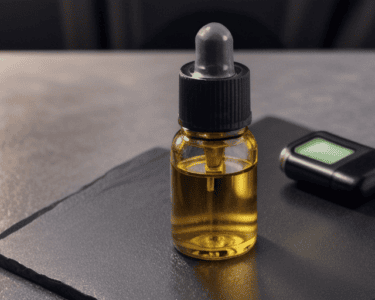
As research advances, so do personal testimonials. Many families have shared transformative experiences demonstrating the potential of cannabis in treating epilepsy. For instance, Charlotte Figi, a young girl who became a national symbol for CBD’s efficacy, experienced life-changing results after using a high-CBD cannabis oil. Before her treatment, Charlotte endured hundreds of seizures weekly, making normal life difficult. After starting cannabis treatment, her seizures reduced significantly, allowing her to engage in activities that many take for granted.
Another powerful example is that of many parents who report improvements in their children’s quality of life when incorporating CBD into their treatment regimen. Seizure frequency, cognitive development, and overall well-being have improved for numerous families who otherwise felt desperate in their search for effective treatments.
The Legal Landscape: Navigating Regulatory Challenges
In the wake of testimonies and research, the legal status of cannabis has evolved. As of late 2023, medical cannabis is legal in 36 states, with varying regulations regarding CBD and THC usage. Despite these advancements, many families still face hurdles in accessing cannabis products, often encountering stigma, misconceptions, and a lack of clarity regarding how they can legally acquire and use cannabis for medical purposes.
Patients and caregivers often call for increased education among healthcare providers to better inform them about cannabis’s potential benefits and risks. Integrating cannabis into treatment plans requires comprehensive conversations between patients and healthcare professionals, ensuring that informed decisions are made.
Future Directions: What Lies Ahead?
The potential of cannabis to treat epilepsy is only beginning to be uncovered. As more empirical evidence accumulates, researchers hope to broaden the understanding of the underlying mechanisms of cannabinoids, optimizing formulations and dosages. The focus is also shifting toward understanding the genetics of epilepsy patients; personalized medicine may soon take shape, tailoring cannabinoid therapies to individual needs.
As cannabidiols receive more research attention, we are likely to see emerging therapeutic strategies that integrate cannabis alongside traditional antiepileptic medications. The landscape of epilepsy treatment is steadily evolving, giving hope to countless individuals and families affected by this challenging condition.
In conclusion, the intersection of cannabis and epilepsy treatment is rich with potential, showcasing a path filled with both scientific discovery and compelling personal narratives. Although challenges remain, the advancements in research, patient testimonials, and evolving legal frameworks signal a positive outlook for those seeking innovative therapies for epilepsy.