 By
By [ad_1]
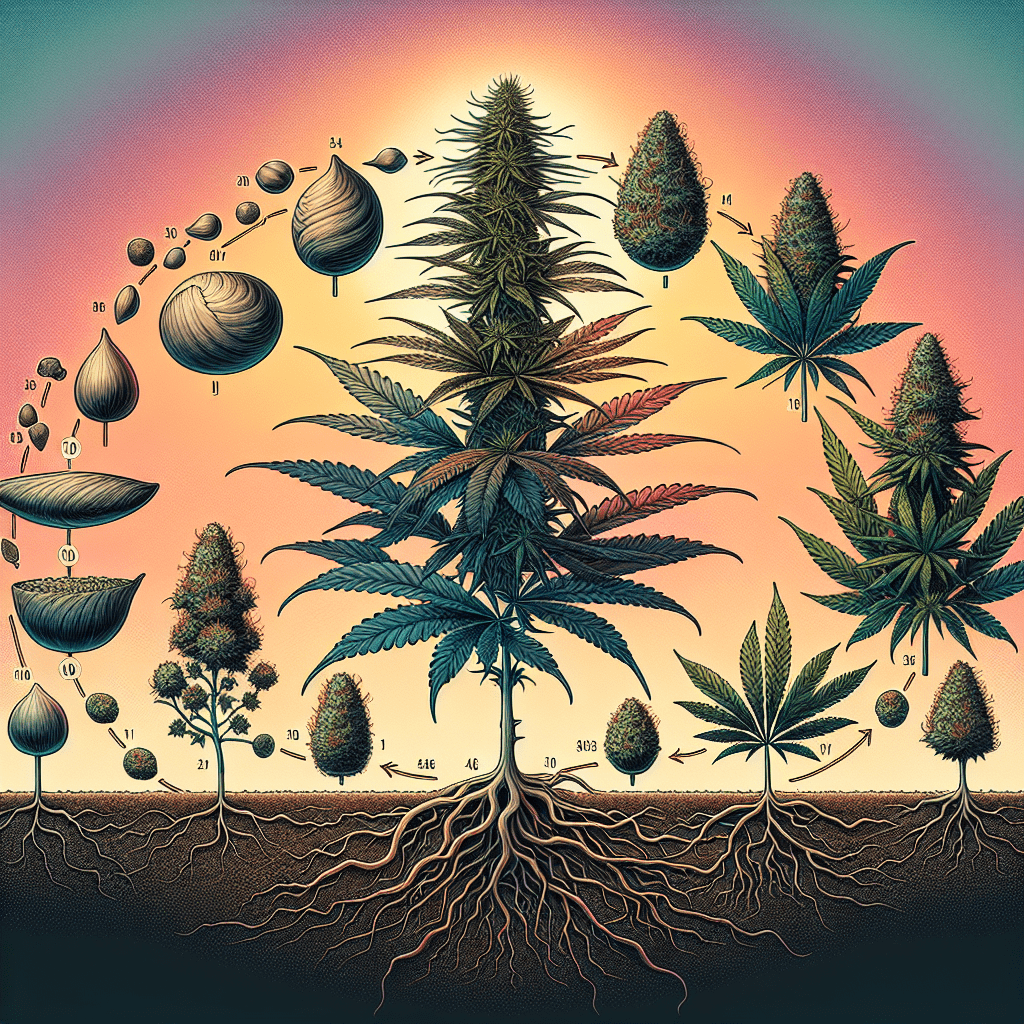
Cannabis cultivation has evolved remarkably over the years, transitioning from illicit cultivation to a thriving legal industry in many parts of the world. Whether you are a beginner or a seasoned grower, understanding the growth journey from seed to harvest is crucial. This article delves into the intricate stages of cannabis cultivation, providing insights to help you navigate this rewarding process.
1. Choosing the Right Strain
Before you begin your cannabis cultivation, selecting the right strain is essential. Cannabis is typically categorized into three primary strains: Cannabis sativa, Cannabis indica, and Cannabis ruderalis. Each of these strains has distinct characteristics in terms of growth habits, yield, effects, and medicinal properties.
-
Sativa: Known for its uplifting effects, sativa usually thrives in warmer climates with longer growing seasons. It grows tall and requires ample space.
-
Indica: Often sought for its relaxing effects, indica is well-suited for indoor cultivation and shorter growing seasons. It tends to grow bushier.
- Ruderalis: This strain is mainly utilized for its auto-flowering capability, making it perfect for beginners. It matures quickly regardless of light cycle.
2. The Germination Phase
The growth journey begins with the germination of seeds. This phase involves initiating the seed’s growth into a seedling. Typically, seeds sprout within 24 to 72 hours when placed in a warm environment (around 70°F to 80°F) with a moist medium.
Popular germination methods include:
-
Paper Towel Method: Seeds are placed between wet paper towels and kept in a dark area. Once sprouted, they can be moved to soil.
- Direct Planting: Seeds can be placed directly into the soil, keeping the medium moist until germination occurs.
3. Seedling Stage
Once germinated, seeds transition to the seedling stage, lasting about two to three weeks. During this period, young plants develop their first true leaves. It’s crucial to provide light in the form of fluorescent or LED grow lights, keeping them on for about 18 hours a day.
In this phase, ensure the seedlings receive adequate moisture and nutrient-rich soil. Avoid over-watering, as young plants are particularly susceptible to root rot.
4. Vegetative Phase
The vegetative phase can last anywhere from a few weeks to several months, depending on your desired plant size. During this phase, plants focus on building structure—developing stems, leaves, and roots.
Key considerations during the vegetative phase:
-
Light Cycle: Maintain a light cycle of 18 hours of light and 6 hours of darkness to promote healthy growth.
-
Nutrients: As plants grow, they require higher nitrogen levels to support leaf development. Use a balanced fertilizer primarily high in nitrogen.
- Training Techniques: Techniques such as topping, low-stress training (LST), and high-stress training (HST) can help optimize growth and increase yields.
5. Flowering Phase
Transitioning into the flowering phase usually occurs when the light cycle is adjusted to 12 hours of light and 12 hours of darkness. This switch signals the plants to begin producing flowers (buds) and can take 8 to 12 weeks, depending on the strain.
During the flowering phase, it’s crucial to:
-
Monitor Nutrients: Shift to fertilizers lower in nitrogen and higher in phosphorus and potassium to promote bud development.
-
Control Environment: Maintain optimal humidity levels (around 40-50%) and temperature to prevent mold and pests.
- Pruning and Training: Continue pruning and training to promote airflow, light exposure, and more robust bud sites.
6. Harvesting
Harvesting is arguably the most vital stage in the cannabis growth journey. It involves cutting the mature plants at the right time to maximize potency and yield. Factors to consider include:
-
Trichome Color: Using a magnifying glass, monitor trichomes; clear trichomes indicate it’s too early, while amber trichomes suggest peak potency.
- Leaves: Yellowing leaves can also indicate it’s time to harvest.
Harvesting should ideally occur in the morning when the plants are well-hydrated. Cut the branches and hang them upside down in a dark, cool, and well-ventilated space for drying.
7. Curing
After drying, the final step is curing, a process that enhances flavor and potency. Place the dry buds in glass jars, and open them daily to allow moisture to escape and fresh air to enter. This process typically lasts 2-6 weeks.
FAQs
Q: How long does it take to grow cannabis from seed to harvest?
A: The total growth time varies by strain and growing conditions, typically ranging from 3 to 6 months.
Q: Do I need specific licenses to grow cannabis?
A: Yes, in most jurisdictions, you would need a license to cultivate cannabis legally. Check local regulations.
Q: Can I grow cannabis indoors?
A: Absolutely. Cannabis can be successfully cultivated indoors using proper lighting and environmental controls.
Q: What common pests should I watch for?
A: Common pests include spider mites, aphids, and whiteflies. Regular inspection and integrated pest management strategies can help keep these pests at bay.
Q: Is organic cannabis cultivation possible?
A: Yes, you can grow cannabis organically using natural fertilizers and pesticides, benefiting both the environment and the consumer.
Navigating the cannabis growth journey can be both exciting and challenging. By following these stages and employing best practices, you can cultivate healthy plants, leading to a rewarding harvest. Happy growing!
[ad_2]