 By
By [ad_1]
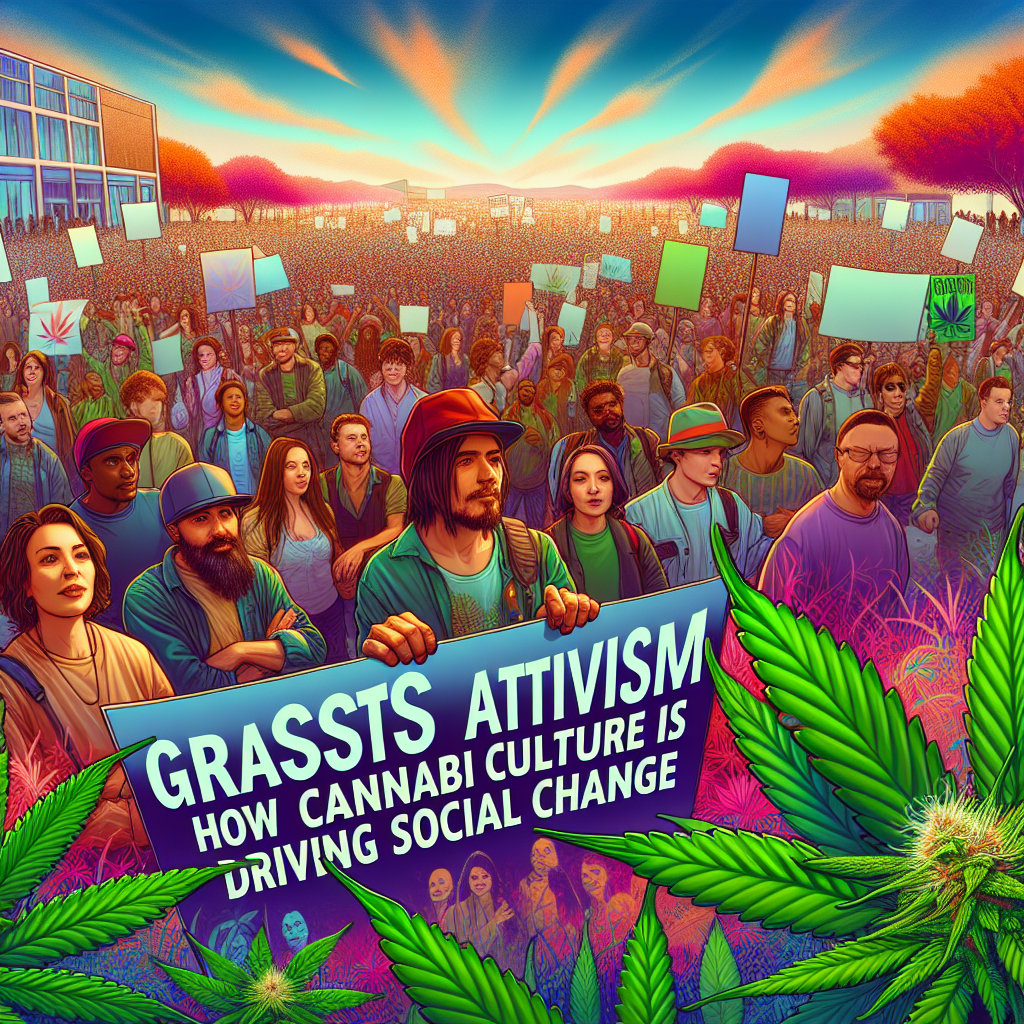
Grassroots activism has played a pivotal role in shaping modern societal movements, and one of the most prominent examples can be found in the realm of cannabis culture. Over the past few decades, cannabis has evolved from being a largely stigmatized substance to a symbol of social justice, personal freedom, and economic opportunity. This transformation has not occurred in a vacuum; it has been driven by passionate advocates, grassroots organizations, and dedicated communities working tirelessly to effect change.
The Historical Context of Cannabis Activism
The cannabis reform movement did not begin recently; it has roots tracing back to the 1960s and 1970s when countercultural movements emerged, advocating for civil rights, environmental issues, and drug reform. In recent years, however, the landscape of cannabis activism has drastically changed due to various social and political factors. The War on Drugs, instigated in the 1980s, disproportionately affected marginalized communities, leading to widespread incarceration and social inequities.
In response, activists began advocating not only for the decriminalization of cannabis but also for social justice reforms addressing the racial disparities perpetuated by drug laws. This intersection of cannabis culture and social justice has become a hallmark of contemporary grassroots activism.
The Role of Grassroots Organizations
Grassroots organizations have been instrumental in championing cannabis reform. Groups like the National Organization for the Reform of Marijuana Laws (NORML) and the Drug Policy Alliance have mobilized supporters across the country to advocate for policy changes, heal the wounds of the past, and create equitable laws for all. These organizations focus on research, public education, and direct lobbying efforts to influence legislation.
- Education and Awareness: Informing the public about the benefits of cannabis for medicinal and recreational purposes.
- Legislation Advocacy: Lobbying for legalization, decriminalization, and expungement of prior cannabis-related offenses.
- Community Building: Creating networks of support within local communities to address health, safety, and economic challenges.
The Impact of Cannabis Culture on Social Justice Movements
Cannabis culture has become intertwined with broader social justice movements, especially in the fight for racial equity. As states begin to legalize cannabis, there is a growing awareness of the importance of including restorative justice measures. Advocates are calling for policies that not only legalize cannabis but also work to right the wrongs of the past by expunging criminal records for individuals convicted of non-violent cannabis-related offenses.
Moreover, social equity programs have emerged in several states, designed to ensure that those most affected by cannabis prohibition and the War on Drugs can participate in the emerging legal cannabis industry. These programs often include financial assistance for business licenses and technical support for aspiring entrepreneurs from marginalized communities.
Cannabis Activism and Mental Health
The conversation around cannabis is not solely about legality; it also encompasses mental health. Grassroots activism has brought to light the therapeutic benefits of cannabis for mental health disorders such as anxiety, depression, and PTSD. As individuals share their personal stories, they help to destigmatize the use of cannabis for health reasons.
Organizations focused on mental health advocacy are beginning to incorporate discussions about cannabis as a potential treatment option. This shift in dialogue has opened doors for research and informed policy-making that supports the responsible use of cannabis in mental health treatment.
The Future of Cannabis Activism
As the cannabis culture continues to evolve, the role of grassroots activism will remain crucial. The ongoing fight for comprehensive cannabis reform will need to address the complexities of social justice, economic equity, and public health. Advocates are increasingly recognizing that merely legalizing cannabis is not enough; it is essential to build an inclusive industry that prioritizes those who have been affected by cannabis prohibition.
Grassroots movements will also need to adapt to an ever-changing political landscape. With varying levels of support for cannabis legislation at the state and federal levels, activists must leverage social media, community organizing, and public storytelling to maintain momentum and inspire change.
Final Thoughts
The rise of cannabis culture as a vehicle for social change underscores the power of grassroots activism. By bridging the gap between personal freedoms and social equity, advocates are not only reshaping cannabis laws but also redefining societal values around justice, health, and community support. As more people come together to support these initiatives, the potential for creating a more equitable and informed society continues to grow. The journey of cannabis activism is far from over, and those involved remain committed to making waves of positive change for future generations.
[ad_2]