

 By
By Navigating the World of CBD: What Beginners Should Know About Its Benefits in the United States
In recent years, the popularity of cannabidiol (CBD) has surged across the United States, with the compound now found in a myriad of products ranging from oils, gummies, and beverages to skincare products. The growing awareness and legality of hemp-derived CBD following the 2018 Farm Bill have spurred interest in its potential health benefits. For beginners looking to explore the world of CBD, understanding its benefits, legality, and proper usage is crucial.
What is CBD?
CBD is one of more than 100 cannabinoids found in the cannabis plant, primarily derived from hemp. Unlike THC (tetrahydrocannabinol), another well-known cannabinoid, CBD does not produce psychoactive effects, making it appealing for those who want to experience therapeutic benefits without the "high" associated with marijuana.
Legal Landscape in the U.S.
Navigating the legal landscape of CBD can be confusing for beginners. In December 2018, the Farm Bill was passed, legalizing hemp-derived products containing less than 0.3% THC on a dry weight basis federally. This paved the way for the commercial sale of CBD products across the country. However, state laws can vary, so it’s essential for consumers to be aware of local regulations regarding CBD usage and sales. Some states have imposed restrictions or maintain specific guidelines about CBD products.
Potential Health Benefits of CBD
Research into CBD’s therapeutic benefits is still in its early stages, yet anecdotal evidence and preliminary studies suggest a range of potential health benefits:
-
Anxiety and Stress Relief: One of the most commonly cited benefits of CBD is its potential to alleviate anxiety. Research shows that CBD can interact with the body’s endocannabinoid system, which plays a significant role in regulating mood and stress responses. A study published in the Journal of Psychopharmacology indicated that CBD might reduce anxiety in individuals with social anxiety disorder.
-
Pain and Inflammation Relief: CBD is known for its anti-inflammatory properties, making it a popular choice for individuals suffering from chronic pain conditions such as arthritis. In preclinical tests, CBD has shown promise in decreasing inflammation and alleviating pain, which could be beneficial for individuals looking for alternative pain management solutions.
-
Sleep Aid: For those struggling with insomnia or disturbed sleep patterns, CBD may provide a natural remedy. Some studies suggest that CBD can improve sleep quality by addressing issues like anxiety and pain that interfere with restful sleep. A small study in The Journal of Clinical Psychology found that CBD may help improve sleep scores in individuals who experience anxiety.
-
Neuroprotective Properties: Emerging research indicates that CBD may have neuroprotective properties, which could help the brain recover from injuries or degenerative diseases. Preliminary studies have shown potential benefits in conditions like epilepsy and multiple sclerosis, with CBD gaining approval in the form of Epidiolex for specific epilepsy disorders.
- Skin Health: CBD-infused skincare products are gaining popularity due to potential benefits in treating acne and general skin health. Its anti-inflammatory properties can help reduce the symptoms associated with acne, and it may also be beneficial in treating conditions like eczema and psoriasis.
Choosing the Right CBD Products
With an overwhelming variety of CBD products available on the market, beginners may find it challenging to determine which products are right for them. Here are some tips to help choose the right CBD product:
-
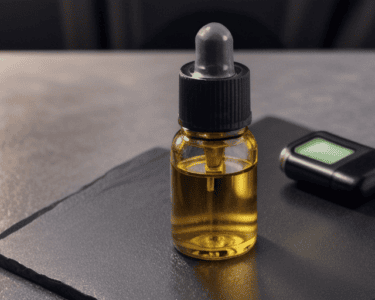
Determine the Form: CBD comes in various forms, including oils, capsules, edibles, topicals, and vapes. Consider what form fits best into your lifestyle and what you’re most comfortable using.
-
Full-Spectrum vs. Isolate: Full-spectrum CBD products contain other cannabinoids and compounds found in the hemp plant, potentially providing an "entourage effect" that may enhance benefits. Meanwhile, CBD isolate contains pure CBD. Beginners may want to start with isolate to gauge their reaction before moving to full-spectrum products.
-
Quality Over Quantity: Look for reputable brands that provide third-party lab testing results. This ensures that the product is free from harmful contaminants and contains the amount of CBD claimed on the label.
-
Start Low and Go Slow: Beginners should start with a low dose and gradually increase it until they find what works best for them. Each person’s body responds differently to CBD, so taking it slow is crucial.
- Consult a Healthcare Provider: Before starting any new supplement, including CBD, beginners should consult with a healthcare provider, particularly if they are taking other medications or have underlying health conditions.
Conclusion
As the world of CBD continues to evolve, beginners have an opportunity to explore its potential benefits responsibly. With a growing body of research and increased accessibility, CBD products can provide various health benefits, from alleviating anxiety and pain to promoting better sleep. However, it is essential to approach the market with caution, ensuring that individuals understand the legality, product choice, and personal health needs. By educating themselves and consulting professionals, beginners can safely navigate the world of CBD and harness its potential benefits for their well-being.