By
By [ad_1]
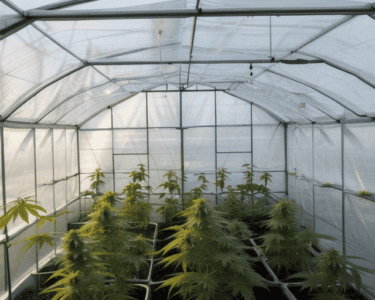
The cannabis industry has gained immense popularity over the past decade, with many growers seeking efficient techniques to cultivate premium-quality marijuana. Among the various methods, greenhouse growing has become a preferred choice for many, blending benefits from both outdoor and indoor cultivation methods. This comprehensive guide explores greenhouse growing techniques specifically for cannabis, helping you achieve top-notch quality without the headaches commonly associated with growing this complex plant.
Why Choose Greenhouse Growing?
-
Optimal Light Conditions: Greenhouses maximize natural sunlight, allowing plants to harness the full spectrum of light required for photosynthesis. This enhances growth, improving the overall quality of your cannabis.
-
Controlled Environment: Greenhouses offer growers a unique balance of outdoor air circulation and indoor temperature regulation. With proper ventilation, heating, and cooling systems, you can maintain ideal conditions like humidity and temperature, which are crucial for cannabis growth.
-
Protection from Pests and Disease: Greenhouses provide a barrier against pests, rain, and extreme weather conditions, reducing the chances of crop damage and diseases.
- Sustainability: Growing in a greenhouse allows for more sustainable practices, such as the use of rainwater for irrigation and solar energy for heating, aligning with eco-conscious farming methods.
Key Techniques for Greenhouse Cannabis Cultivation
1. Selecting the Right Greenhouse
When setting up a cannabis greenhouse, choosing the right design is crucial. Opt for a structure that features:
- Polytunnels or Glass: Polytunnels are versatile and cost-effective, while glass greenhouses offer superior light transmittance.
- Orientation: Position the greenhouse to maximize sunlight exposure, ideally from east to west.
- Ventilation: Make sure the design allows for cross-ventilation, which is vital for temperature control and preventing humidity buildup.
2. Hydroponics vs. Soil Cultivation
The choice between hydroponics and soil greatly impacts growth quality:
-
Hydroponics: This method allows for faster growth rates and more control over nutrient delivery. By using nutrient-rich water solutions, you eliminate the variables commonly found in soil. However, it requires more technical know-how and monitoring.
- Soil Cultivation: If you prefer a more traditional approach, well-aerated organic soil mixed with compost and amendments can yield rich flavors and robust plants. Soil retains moisture well and promotes healthy microbial activity, which supports plant health.
3. Nutrients and Feeding
Cannabis plants require a balanced diet to thrive. Nutrient requirements may vary depending on the growth stage:
- Seedling Stage: Start with light nutrient mixes to avoid over-fertilization, which can harm young roots.
- Vegetative Stage: Provide higher nitrogen levels to promote foliage growth. Add beneficial microbes to enhance soil health.
- Flowering Stage: Shift to phosphorus and potassium-rich nutrients to encourage bud formation.
Maintaining a feeding schedule and monitoring pH levels can prevent nutrient lockout, a common issue among cannabis growers.
4. Training Techniques
Utilize various training techniques to optimize light exposure and control plant size:
- Topping: Remove the top growth to stimulate two new growth sites, effectively doubling your potential yield.
- Low-Stress Training (LST): Gently bend and tie branches to promote an even canopy, allowing light to reach lower buds.
- Screen of Green (ScrOG): Use a mesh screen to spread plant growth horizontally, maximizing light utilization and increasing yields.
5. Pest Management
Integrated Pest Management (IPM) is essential for maintaining plant health. Use beneficial insects like ladybugs to control pests naturally, and regularly check for signs of infestations. Organic insecticides can also play a role without harming the environment.
Harvesting and Curing
The harvest is when all your hard work pays off. Monitor the trichomes for optimal harvest time—clear trichomes indicate it’s too early, while amber-colored trichomes indicate peak potency.
After harvesting, curing is equally vital for quality. Store the buds in airtight containers, burping them daily to regulate humidity and prevent mold. Proper curing can enhance aroma, flavor, and potency.
Conclusion
Greenhouse growing techniques combine the best of outdoor and indoor cultivation, offering a space that is both productive and protective. By leveraging optimal environmental conditions, selecting the right cultivation practices, and managing pests efficiently, growers can produce high-quality cannabis with significantly reduced headaches. Proper planning and execution ensure that every harvest is abundant and of the highest quality.
FAQs
Q: What is the ideal temperature for growing cannabis in a greenhouse?
A: The ideal temperature for cannabis growth ranges between 70-85°F (21-29°C) during the day. However, nighttime temperatures should not drop below 60°F (15°C).
Q: How often should I water my cannabis plants in a greenhouse?
A: Watering frequency depends on factors like plant size, temperature, and moisture retention of your medium. Check the top inch of soil; if it feels dry, it’s time to water.
Q: Can I grow cannabis in a greenhouse year-round?
A: Yes, with the right climate control systems, you can grow cannabis year-round in a greenhouse, although specific strains may perform better in certain seasons.
Q: What are the best strains for greenhouse growing?
A: Strains with a robust genetic constitution and high mold resistance, such as Northern Lights or Blue Dream, are recommended for greenhouse cultivation.
Q: How can I determine when to harvest my cannabis?
A: Watch the trichomes with a magnifying glass: clear indicates early, cloudy indicates peak potency, and amber signals higher THC depreciation but maximum potency.
By mastering these greenhouse growing techniques, you can minimize the headaches associated with cannabis cultivation while maximizing quality and yield. Happy growing!
[ad_2]