 By
By [ad_1]
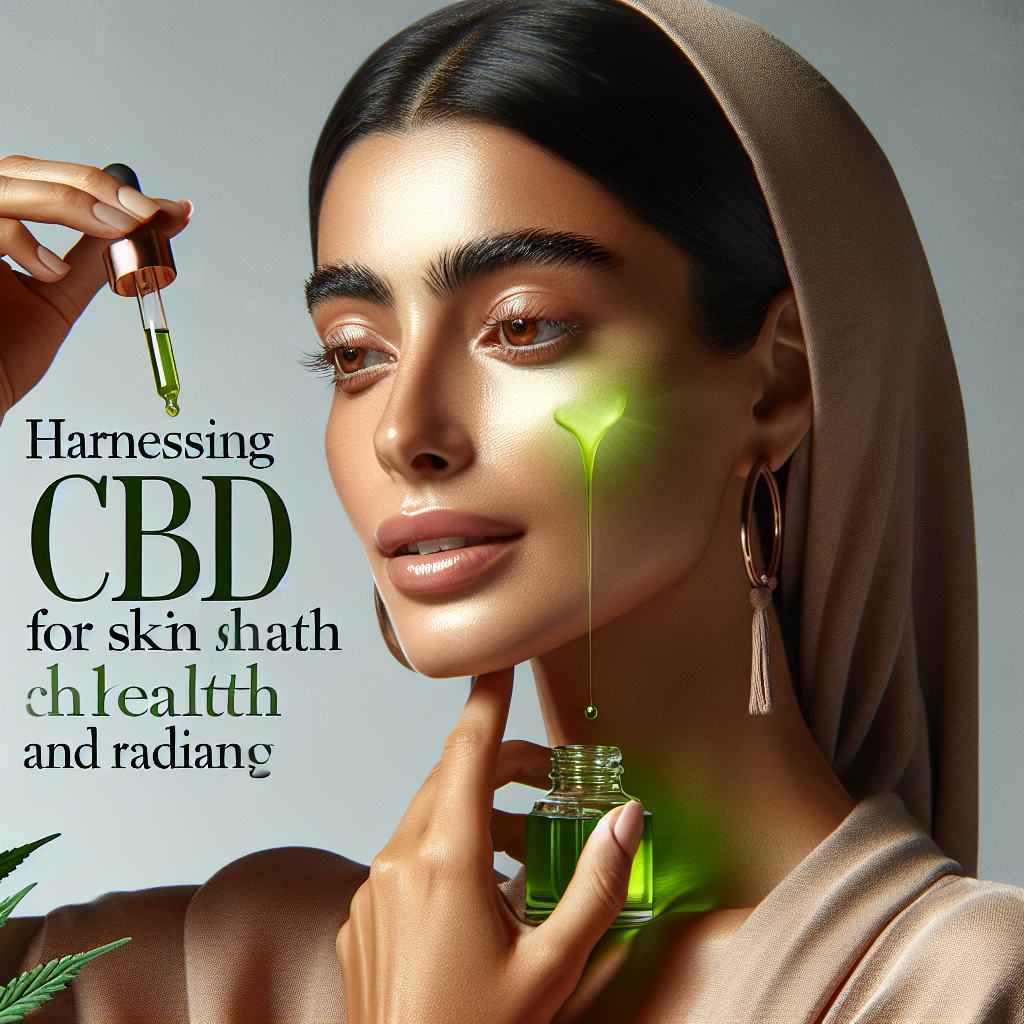
In recent years, cannabidiol (CBD) has gained significant traction in the wellness community, transcending its initial popularity in the realm of anxiety relief and chronic pain management. Now, this non-psychoactive compound from the cannabis plant is making waves in the beauty and skincare industry. As consumers seek natural solutions for a myriad of skin concerns, CBD-infused products have emerged as powerful allies for promoting skin health and achieving a radiant complexion. This article explores the science behind CBD’s benefits for skin health, current trends in the U.S. market, and expert insights on how to harness its potential.
The Science Behind CBD and Skin Health
Cannabidiol interacts with the body’s endocannabinoid system (ECS), a complex network of receptors and enzymes that helps regulate various physiological processes, including inflammation and skin health. Research has identified that CBD possesses antimicrobial, anti-inflammatory, and antioxidant properties, making it particularly beneficial for common skin issues such as acne, eczema, and psoriasis. Inflammation is a leading cause of these skin ailments, and CBD’s ability to reduce inflammatory responses helps soothe irritated skin.
In addition, CBD has been shown to regulate sebum production—an essential factor in managing acne. Overproduction of sebum can lead to clogged pores, which contribute to breakout formation. According to a study published in the Journal of Clinical Investigation, CBD can effectively hinder sebocyte proliferation and sebum production. This revelation has prompted researchers and beauty brands alike to delve deeper into CBD’s potential to enhance overall skin health and radiance.
Current Trends in the U.S. CBD Skincare Market
The U.S. CBD skincare market is experiencing exponential growth, driven by changing consumer attitudes and relaxed regulations surrounding hemp-derived products. Following the passage of the 2018 Farm Bill, which legalized the cultivation and distribution of hemp throughout the country, numerous skincare brands have integrated CBD into their product lines. From serums and moisturizers to face masks and lip balms, the market is brimming with innovative offerings.
One notable trend is the emphasis on transparency and sustainability. Consumers are increasingly seeking products that not only deliver on efficacy but are also ethically sourced and produced. Brands such as Lord Jones and Cannuka pride themselves on using organic hemp and environmentally friendly methods in their formulations. Moreover, many brands are now focusing on third-party lab testing to assure consumers of their product’s purity and potency, further emphasizing a trend toward accountability in the booming CBD skincare sector.
In recent months, major retailers like Sephora and Ulta have started incorporating CBD-infused products into their shelves, signifying mainstream acceptance of CBD in beauty. This exposure has led to increased education and awareness surrounding CBD’s benefits, resulting in an informed consumer base that demands quality and efficacy.
Expert Insights on CBD Skincare
Leading estheticians and dermatologists are increasingly respecting CBD as a valuable addition to skincare regimens. Dr. Adarsh Vijay Mudgil, a New York-based dermatologist, notes, “CBD has the potential to soothe inflammation and alleviate issues commonly seen in patients with sensitive skin." He recommends products with CBD for individuals struggling with redness or conditions like eczema, citing its ability to promote skin barrier health.
However, experts also emphasize the importance of understanding moderation and product formulation. Using CBD in conjunction with other active ingredients can enhance a product’s efficacy. For instance, combining CBD with hyaluronic acid in a moisturizer can provide hydration, while the anti-inflammatory properties of CBD offer additional skin-soothing benefits.
Despite its potential benefits, consumers should approach CBD skincare with caution. Not all products are created equal, and the lack of regulation in the market can lead to discrepancies in quality and potency. It’s advisable for consumers to research brands and opt for those that provide clear ingredient lists and third-party lab results, ensuring they make informed choices.
The Future of CBD in Skincare
As the research behind CBD continues to mount, the future looks bright for its application in skincare. Innovative brands are already exploring combinations of CBD with other powerhouse botanicals, paving the way for unique formulations tailored for specific skin concerns. The potential for new product categories, including anti-aging and hyperpigmentation treatments infused with CBD, presents exciting opportunities for the industry.
In light of advancements in scientific research and consumer interest, advocacy for regulatory clarity is paramount. Understanding how to best integrate CBD into existing skincare frameworks will guide consumers and manufacturers alike in utilizing this versatile ingredient effectively. The potential benefits for skin health are vast, but a collective effort for transparency and accountability will be essential in this evolving market landscape.
Conclusion: Embracing Natural Solutions Awash in Science
As awareness around holistic wellness grows, CBD has emerged as a multifaceted contributor to skin health and radiance. With its scientifically-backed anti-inflammatory and antioxidant properties, CBD offers a natural alternative to conventional skincare treatments. The rising trend of CBD-infused products reflects a broader shift toward clean beauty and natural ingredients, with informed consumers eager to embrace sustainable solutions.
Consumers should reflect on their skincare choices as they venture into this new territory. Understanding the science behind CBD, staying informed about product quality, and embracing innovative solutions could lead to healthier, more radiant skin. In the ever-evolving landscape of skincare, harnessing the potential of CBD could be a transformative journey toward achieving the skin of your dreams.
[ad_2]