

 By
By [ad_1]
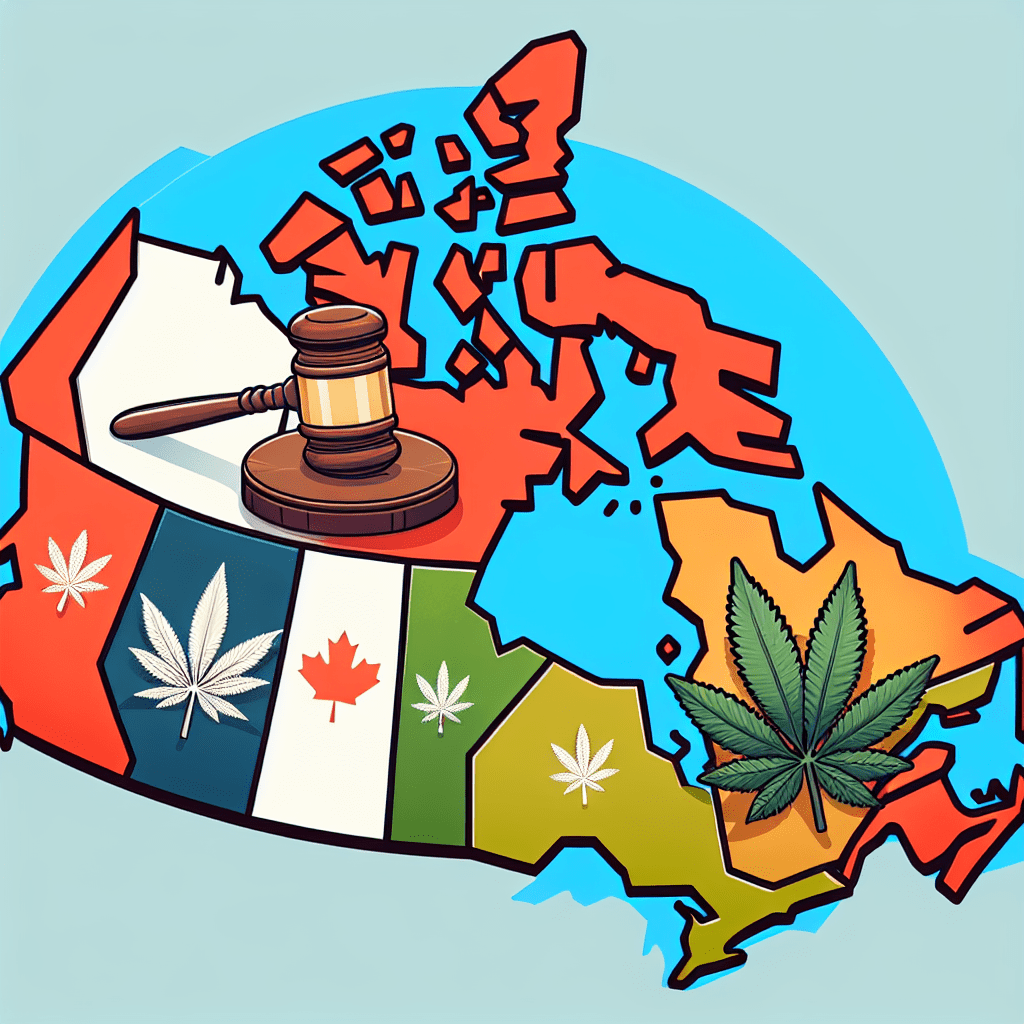
As cannabis continues to gain acceptance across North America, the interplay between Canadian and U.S. regulations has become increasingly complex and significant. Since Canada legalized recreational cannabis nationwide in 2018, Canadian provinces have taken distinct approaches to legalization, distribution, and taxation. Their actions are not only shaping the Canadian landscape but are also influencing cannabis regulation trends in the United States, where the political environment is more fragmented. This article explores how the regulatory frameworks established in Canadian provinces are informing U.S. policies, highlighting key developments, current events, and the future of cannabis regulation in North America.
Differing Approaches to Regulation
The legalization of cannabis in Canada has led to a diverse array of provincial regulations that cater to local cultures and economic priorities. Provinces such as Ontario and Alberta have established robust frameworks that include detailed guidelines on retail operations, product labeling, and public consumption. In contrast, British Columbia has adopted a more community-oriented approach, allowing for local governments to have a say in how cannabis is distributed and sold.
In the United States, cannabis remains federally illegal, but many states have taken it upon themselves to create their own laws. States like California and Colorado were pioneers in legalization, yet their systems vary significantly from each other and from Canadian models. The influence of Canadian provinces becomes evident, particularly as U.S. states seek to learn from Canada’s regulatory successes and failures. For example, Ontario’s comprehensive licensing processes and marketing restrictions are being closely observed by states considering similar measures.
Economic Impacts and Opportunities
The Canadian cannabis industry has grown rapidly, creating economic opportunities that are hard to ignore. In 2022, the total Canadian cannabis market was valued at approximately CAD 4 billion, with growth expected to continue as regulations stabilize and consumer acceptance increases. This economic success is drawing attention across the border, particularly in states where cannabis is legal. Many U.S. states are looking towards Canada for model policies that could enhance their own emerging markets.
For example, New York, which recently legalized recreational cannabis, is studying Ontario’s wholesale distribution models. By doing so, New York aims to create a regulated marketplace that minimizes black market competition while maximizing tax revenue. As the U.S. cannabis market expands, the financial implications of adopting certain Canadian best practices become increasingly relevant.
Adapting Regulatory Frameworks
As circumstances evolve, U.S. states have started adapting their cannabis regulatory frameworks in response to Canadian developments. For instance, recent discussions in states like Illinois and Michigan reveal a growing interest in harmonizing cannabis regulations with those of Canadian provinces. Smart regulatory adaptations not only benefit consumers—through increased access and safety—but also encourage investments.
Additionally, expert panels in several U.S. states are examining the potential for inter-jurisdictional product importation, inspired by Canadian practices that facilitate trade between provinces. This could not only reinvigorate local businesses but also enhance competition, leading to better prices and product quality for consumers.
Navigating Federal and Provincial Tensions
While the Canadian federal government has provided a unified approach to legalization, the U.S. landscape is characterized by a patchwork of state laws, causing confusion and inconsistency. The disparity complicates the regulatory landscape, making collaboration and knowledge transfer challenging. Canadian jurisdictions, however, have been observed tackling similar tensions. For example, the British Columbia government has focused on harmonizing local laws with federal regulations to reduce regulatory friction, a practice that American states could adopt.
Moreover, as some Canadian provinces refine their cannabis laws to address new market challenges, U.S. states could benefit from these adaptations. For instance, jurisdictions in Canada are increasingly grappling with issues surrounding impaired driving, and their approaches may inform American states navigating similar concerns. By learning from each other, both countries can foster a safer, more regulated cannabis environment.
Current Events Impacting the Landscape
Recent developments underscore the urgency of strong cannabis regulations and their implications. For example, British Columbia’s government recently announced plans to expand its approach to cannabis tourism, aiming to boost economic growth while ensuring strict compliance with health and safety standards. This initiative has drawn the attention of American states grappling with how to integrate cannabis tourism into their own economies without compromising public safety.
Similarly, the upcoming midterm elections in the U.S. may have significant implications for cannabis regulation. Candidates across various states are leaning on Canada’s successes to justify their own legalization efforts. As more states grapple with grassroots campaigns advocating for reform, lessons learned from Canada may increasingly sway voter attitudes.
Closing Thoughts: A North American Perspective
The dynamic interplay between Canadian provinces and U.S. states illustrates the potential for collaborative growth within the cannabis sector. While the regulatory landscapes of both countries differ significantly, they are gradually influencing one another, driven by economic incentives and social attitudes.
As we look ahead, it’s crucial that policymakers acknowledge the lessons learned from each other’s experiences. Adapting successful frameworks, addressing potential pitfalls, and prioritizing public health will be vital as both Canada and the U.S. continue to navigate this evolving terrain. The road to comprehensive cannabis regulation may be fraught with challenges, but by working together and learning from one another, both countries stand to benefit significantly in creating an innovative, responsible, and thriving cannabis marketplace.
In this ever-evolving scenario, the question remains: how will regulatory efforts shape not just local markets, but also the wider perception of cannabis across North America? The answer to this question will undoubtedly influence the future trajectory of the industry, making the collaboration between Canada and U.S. states an essential focus for cannabis advocates and policymakers alike.
[ad_2]