

 By
By [ad_1]
How States are Shaping the Future of Cannabis Policies in the United States
The landscape of cannabis legislation in the United States has undergone a significant transformation over the past decade, fueled by shifting public perceptions, evolving medical research, and economic considerations. As states take the lead in crafting and implementing cannabis policies, they are not just reacting to popular demand; they are actively shaping the future of cannabis regulation at both state and federal levels. This article explores how states are navigating the complexities of cannabis legislation and what this means for the future of cannabis policies across the nation.
The Historical Context
Cannabis has a long and convoluted history in America. Once widely used for its therapeutic properties and cultivated for industrial purposes, it saw a dramatic decline in public favor following the Marihuana Tax Act of 1937 and later the Controlled Substances Act of 1970, which classified marijuana as a Schedule I drug. This classification relegated cannabis to a category alongside drugs deemed to have no accepted medical use and a high potential for abuse. However, recent years have witnessed a remarkable reversal, primarily at the state level. Public sentiments have shifted significantly, with an increasing number of Americans supporting legalization for both medical and recreational use.
The Rise of State Legislation
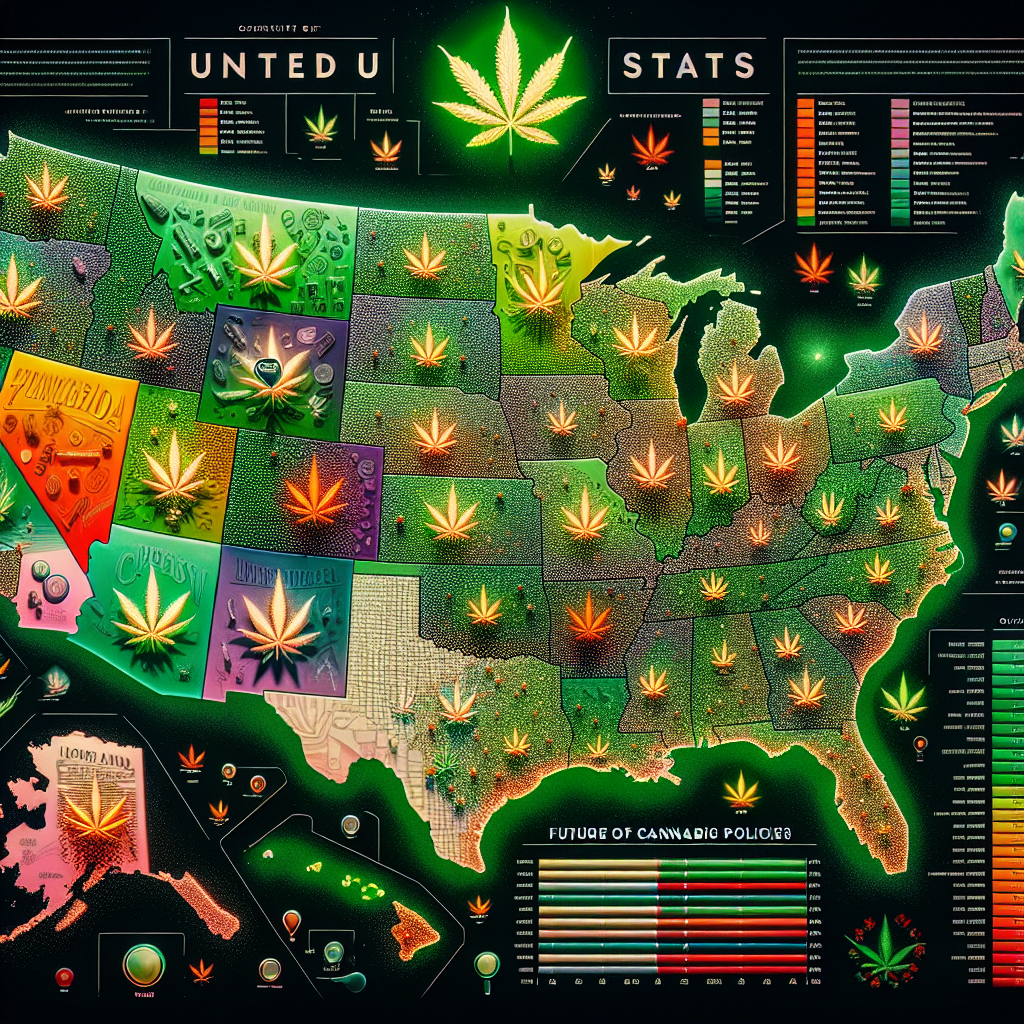
As of 2023, over 37 states have legalized medical cannabis, while more than 20 have approved it for recreational use. These changes are primarily driven by voters and local advocacy groups pushing for reform. States like California and Colorado were pioneers in this movement, setting frameworks that are now being emulated across the country. Recent trends show a growing support for decriminalization and legalization, with legislative pushbacks against federal prohibition as states forge their paths.
States have also begun pursuing diverse regulatory approaches tailored to their unique demographics and socioeconomic conditions. For instance, states like Illinois and New Jersey have implemented social equity programs aimed at addressing the historical injustices of cannabis prohibition. These initiatives are designed to help communities affected by past drug laws gain access to legal cannabis markets through grants, training, and reduced licensing fees.
Current Trends and Innovations
Innovative state policies are emerging alongside the changing public attitudes toward cannabis. In recent years, legislatures have paid more attention to quality control and public health safeguards. States like Oregon and Washington have established stringent testing protocols to ensure potency and safety, seeking to protect consumers while cultivating a cautious market environment. Furthermore, as the cannabis market matures, states are exploring the incorporation of hemp-derived CBD products into their regulatory frameworks. This presents new opportunities for economic growth, especially in agriculture, while still maintaining strict regulatory oversight.
Additionally, the evolving cannabis market has led to the growth of ancillary industries, including cannabis technology, marketing, and business consulting. States are also exploring taxation systems that can provide much-needed revenue for public services while ensuring that the market remains fair and competitive. For example, states like Massachusetts have implemented excise taxes on cannabis sales that are directed toward improving education and public health initiatives.
Federal Considerations and State-Federal Relations
While states push forward with cannabis legalization, the federal government’s stance remains a significant barrier. Cannabis continues to be classified as a Schedule I substance, creating a dichotomy between state and federal laws. This ongoing tension complicates various issues, including banking, taxation, and research. However, several recent developments indicate a potential shift at the federal level. The introduction of proposals like the SAFE Banking Act aims to provide protections for financial institutions that work with cannabis businesses, while research initiatives are gaining traction to understand the viable medical benefits of cannabis more thoroughly.
Experts argue that as states continue to innovate in cannabis policy and as public acceptance grows, the pressure on the federal government to take action will mount. Some predict that the federal government may eventually move toward legalization, responding to the successful models established at the state level. In 2023, the landscape is shaping up as an intriguing battleground where local experiences directly influence national dialogue.
Conclusion: A Localized Future
In conclusion, states are not merely following federal directives; they are carving out their unique paths in cannabis policy, setting precedents that may ultimately influence national legislation. From crafting comprehensive regulatory frameworks to addressing historical injustices and exploring innovative taxation systems, states are trialing varied methods that reflect their unique cultural, economic, and social contexts. This localized experimentation in cannabis policies presents a powerful argument for the continued decentralization of authority when it comes to cannabis legislation in the United States.
As we move forward, the question remains: Will the federal government adopt a more uniform approach or allow states to lead the way? The answer may not only impact the cannabis industry but also reflect broader trends in governance, public health, and social justice. The unfolding narrative of state-driven cannabis policy serves as a microcosm of larger national conversations about autonomy, responsibility, and the quest for equitable solutions in the face of shifting societal norms. As citizens, advocates, and policymakers closely watch these developments, it becomes clear that the future of cannabis is intertwined with the future of democracy itself—one state’s decision at a time.
[ad_2]