 By
By [ad_1]
The Social Aspects of Cannabis Culture and Connection in the United States
The landscape of cannabis culture in the United States has undergone a profound transformation in recent years, evolving from a clandestine subculture to a vibrant and multifaceted social phenomenon. This shift is not merely a change in legal status but reflects deeper societal changes, including evolving demographics, cultural acceptance, and the emergence of new social spaces centered around cannabis.
Demographic Shifts in Cannabis Consumption
Historically, cannabis use in the U.S. was predominantly associated with younger demographics. However, recent data indicates a significant broadening of this trend. In Washington State, for instance, the percentage of individuals aged 65 and older who reported using cannabis within the past 30 days increased from 0.7% in 2011 to 9.4% in 2021. Similarly, in San Francisco, the share of people aged 65 and older who used cannabis within the last month rose from 10% in 2017 to 13.7% in 2022. These statistics suggest that older adults are increasingly turning to cannabis for pain relief and recreational purposes, driven by decreasing social stigma and greater accessibility following legalization. (axios.com)
Gender Dynamics and the Rise of Female Consumers
Another notable trend is the rise of female consumers in the cannabis market. In 2023, women aged 19 to 30 surpassed men in cannabis consumption for the first time, according to a survey by the U.S. National Institute on Drug Abuse (NIDA). This shift is prompting companies to reevaluate their strategies, focusing more on products popular with women, such as edibles, tinctures, topicals, and beverages. The fact that women make over 80% of purchasing decisions in the U.S. underscores the importance of this demographic in shaping the future of the cannabis industry. (reuters.com)
Cultural Integration and Social Spaces
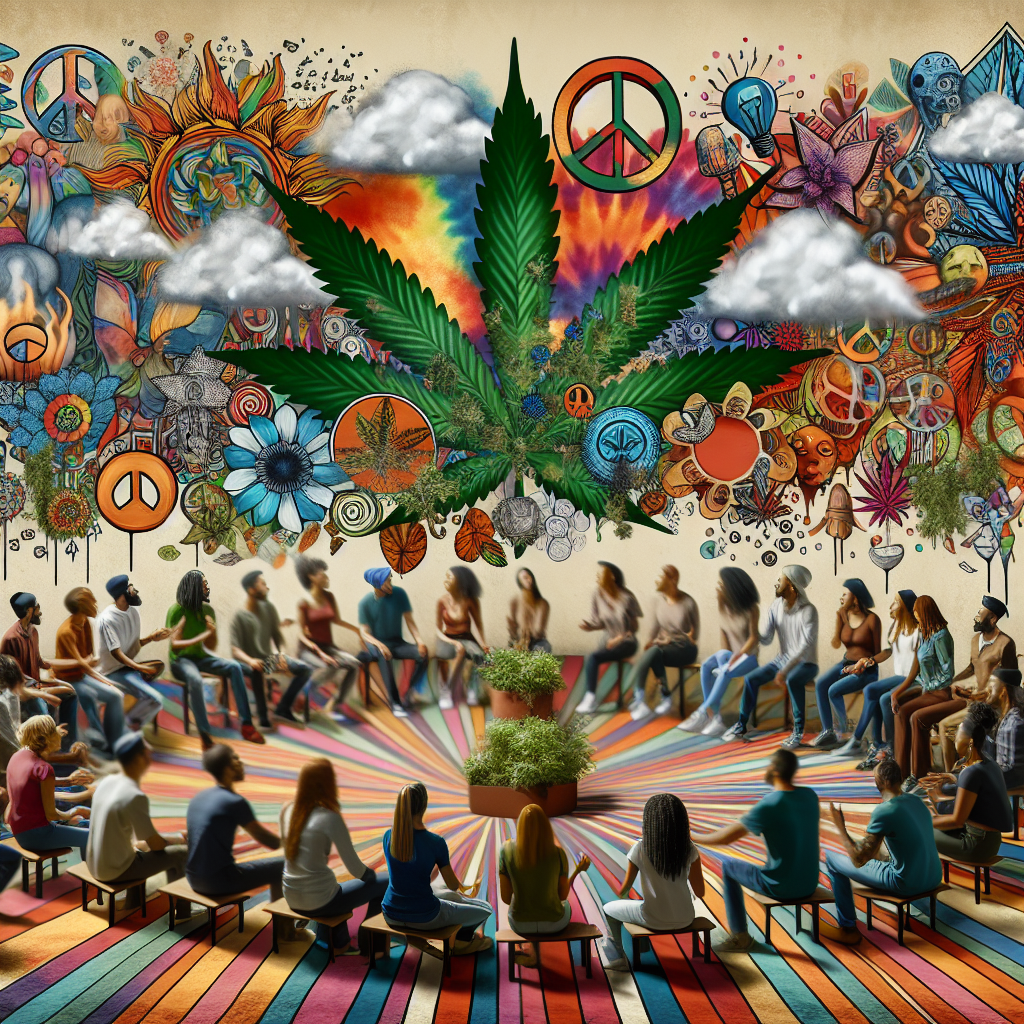
The integration of cannabis into mainstream culture is also evident in the emergence of social spaces dedicated to its consumption. Cannabis lounges and cafes are becoming increasingly popular, offering consumers a place to gather, socialize, and enjoy cannabis in a communal setting. For example, in 2023, Minnesota’s first THC restaurant, Hi Flora!, opened its doors, marking a significant step in the normalization of cannabis consumption in social settings. Similarly, in Houston, Ninfa’s debuted a cannabis-infused margarita on April 20, 2024, blending traditional dining experiences with modern cannabis culture. (en.wikipedia.org)
Community Building and Advocacy
Cannabis culture has also fostered a sense of community and advocacy. Events like the National Cannabis Policy Summit, held annually in Washington D.C., provide platforms for activists, policymakers, and industry leaders to discuss and promote cannabis reform. The 2023 summit featured prominent speakers, including Senate Majority Leader Chuck Schumer, highlighting the growing political and social significance of cannabis issues. (en.wikipedia.org)
Social Equity and Worker Rights
As the cannabis industry continues to expand, discussions around social equity and worker rights have gained prominence. A 2023 report by the United Food & Commercial Workers International Union (UFCW) found that 73% of Americans believe cannabis legalization should benefit workers in the industry, and 63% think it should benefit those harmed by past enforcement of cannabis laws. This reflects a broader societal desire to ensure that the economic benefits of cannabis legalization are distributed equitably and that those affected by previous punitive measures are not left behind. (ufcw.org)
Public Perception and Policy Shifts
Public perception of cannabis has undergone a significant shift, with increasing acceptance and support for legalization. As of 2024, 39 states plus the District of Columbia have legalized high-THC medical cannabis, and 19 states have embraced both medical and recreational use. An overwhelming 91% of American adults support legalization, signaling a seismic shift in public opinion and policy. (potculturemagazine.com)
Conclusion
The social aspects of cannabis culture in the United States are multifaceted and continually evolving. From demographic shifts and changing gender dynamics to the emergence of new social spaces and a focus on social equity, cannabis has become a catalyst for broader societal change. As the industry continues to grow and integrate into mainstream culture, it will be essential to navigate these developments thoughtfully, ensuring that the benefits of legalization are shared equitably and that the diverse communities involved are supported and uplifted.
Recent Developments in Cannabis Culture and Consumption:
- Breaking the Grass Ceiling: Pot firms rethink strategy as young women lead cannabis use
- More older Washingtonians are using cannabis14
[ad_2]