By
By [ad_1]
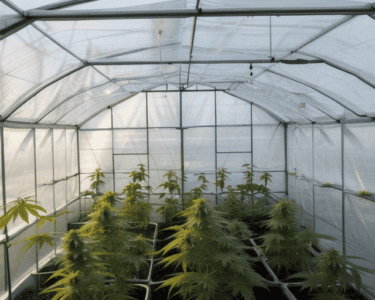
As the cannabis landscape continues to evolve, new and seasoned growers alike are presented with many options for cultivating this versatile plant. One of the most crucial decisions that new gardeners make is whether to grow cannabis indoors or outdoors. Each method comes with its unique benefits and challenges, impacting everything from the quality of the final product to the cost and time involved in the growing process. This article aims to provide essential insights into both indoor and outdoor cannabis growing, equipping new gardeners with the knowledge they need to make an informed choice.
Indoor Cannabis Growing
Advantages:
-
Controlled Environment: The most significant advantage of indoor growing is the ability to maintain a controlled environment. You can regulate temperature, humidity, and light cycles, creating ideal conditions for growth throughout the year. This control also allows for a precise photoperiod, which is crucial for triggering the plant’s flowering stage.
-
Pest and Disease Management: Indoor gardens are generally less susceptible to pests and diseases common in outdoor settings. With proper sanitation and care, the chances of infestations decrease significantly.
-
Stealth and Security: For those growing in areas where cannabis cultivation remains illegal or under scrutiny, indoor gardens offer greater discretion. Odor control devices and closed systems can minimize the chances of detection.
- Year-Round Cultivation: Indoor growing enables year-round production. This allows for multiple harvests within a single year, making it an optimal choice for those looking to maximize output.
Disadvantages:
-
Higher Initial Costs: Setting up an indoor garden can be expensive. Costs for high-quality lighting, ventilation systems, pots, soil, nutrients, and hydroponic systems can mount quickly.
-
Electricity Use: Maintaining the ideal indoor environment can lead to high electricity bills, especially with grow lights and ventilation systems running for significant periods.
- Limited Space: Depending on the size of your indoor setup, space can be a significant constraint. This limitation can restrict the number of plants you can grow at once.
Outdoor Cannabis Growing
Advantages:
-
Natural Light: Outdoor growing harnesses the sun’s energy, providing plants with an abundance of natural light without the need for artificial systems. This can lead to more robust growth and higher yields.
-
Lower Initial Investment: Growing outdoors typically requires less initial investment in equipment. The primary needs include seeds, soil, compost, and basic gardening tools.
-
Larger Plants: Cannabis plants grown outdoors can often reach larger sizes, contributing to higher yields. When planted in the ground with ample space, plants can grow significantly larger compared to their indoor counterparts.
- Less Maintenance: Outdoor cannabis can benefit from natural weather cycles and ecosystems. Rain can provide hydration, and beneficial insects can manage pests without the need for chemical interventions.
Disadvantages:
-
Weather Dependency: Outdoor growing is heavily dependent on weather conditions, and extreme weather events can damage crops. Periods of drought, excessive rain, or pest outbreaks can adversely affect the plants.
-
Pest and Disease Exposure: Plants grown outside are more susceptible to pests, diseases, and mold. This requires diligent monitoring and possible organic pest management strategies.
-
Limited Privacy and Security: Growing outdoors increases the visibility of your crops, making them more vulnerable to theft, wildlife, or unwanted attention.
- Seasonal Limitations: Outdoor cannabis growing is typically limited to a growing season, which can vary based on geographical location. In colder climates, growers may have to wait many months between harvests.
Conclusion
Both indoor and outdoor cannabis growing have their unique merits, and the choice largely depends on the grower’s individual preferences, goals, and circumstances. Indoor growing offers control and convenience but comes with higher costs, while outdoor growing leverages natural resources and generally lower startup expenses with the trade-off of environmental exposure. As new gardeners evaluate these methods, they should take time to consider factors like climate, budget, and desired yields before making a choice.
FAQs
Q1: Can I grow cannabis indoors and outdoors at the same time?
A1: Yes, many growers adopt a mixed approach where they cultivate some plants indoors and others outdoors. This allows for flexibility and can maximize yields depending on the season and available space.
Q2: How much space do I need for indoor cannabis growing?
A2: The space needed for indoor cultivation can vary greatly based on the number of plants you wish to grow and the system you choose to use (soil, hydroponics, etc.). Generally, a 4×4 grow tent can comfortably fit around 4-6 plants.
Q3: What is the best type of light for indoor cannabis growing?
A3: LED grow lights are one of the most popular options for indoor growing due to their efficiency, low heat output, and ability to provide the light spectrum needed for all growth stages. HPS lights are also popular but can produce more heat.
Q4: How do I protect outdoor plants from pests?
A4: You can use natural pest deterrents, such as neem oil or insecticidal soaps. Additionally, companion planting with certain herbs or flowers can attract beneficial insects that will help manage pest populations.
Q5: Is it legal to grow cannabis outdoors?
A5: The legality of growing cannabis outdoors depends on your country or state laws. Always check local regulations regarding cannabis cultivation before starting your outdoor garden.
[ad_2]