
 By
By [ad_1]
Growing cannabis at home has become increasingly popular as more states and countries legalize its use for recreational and medicinal purposes. Whether you are a beginner or an experienced gardener, cultivating cannabis can be a rewarding endeavor. Mastering the art of growing this versatile plant involves understanding its requirements, from seed selection to harvest. This article will guide you through the essential aspects of home cannabis cultivation.
Understanding Cannabis Types
Before diving into the cultivation process, it is crucial to understand the different types of cannabis:
-
Indica: Typically associated with a relaxing effect, indicas grow shorter and bushier, making them suitable for indoor growing.
-
Sativa: Known for their uplifting effects, sativa plants tend to grow taller and require more space, making them better suited for outdoor cultivation.
- Hybrid: These plants are a mix of indica and sativa, providing a wide range of effects and growth patterns.
Choosing the Right Seeds
Selecting quality seeds is paramount for a successful grow. Look for reputable seed banks or dispensaries that offer strains suited to your environment and growing style. Autoflowering seeds are ideal for beginners, as they transition from the vegetative stage to flowering automatically with age, reducing the complexity of the growing process.
Setting Up Your Grow Space
Indoor vs. Outdoor
Deciding where to grow your cannabis is crucial.
-
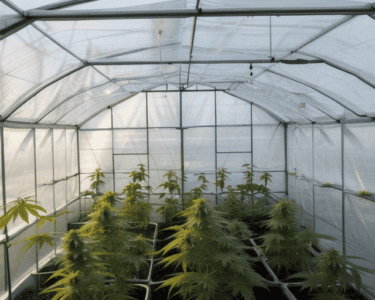
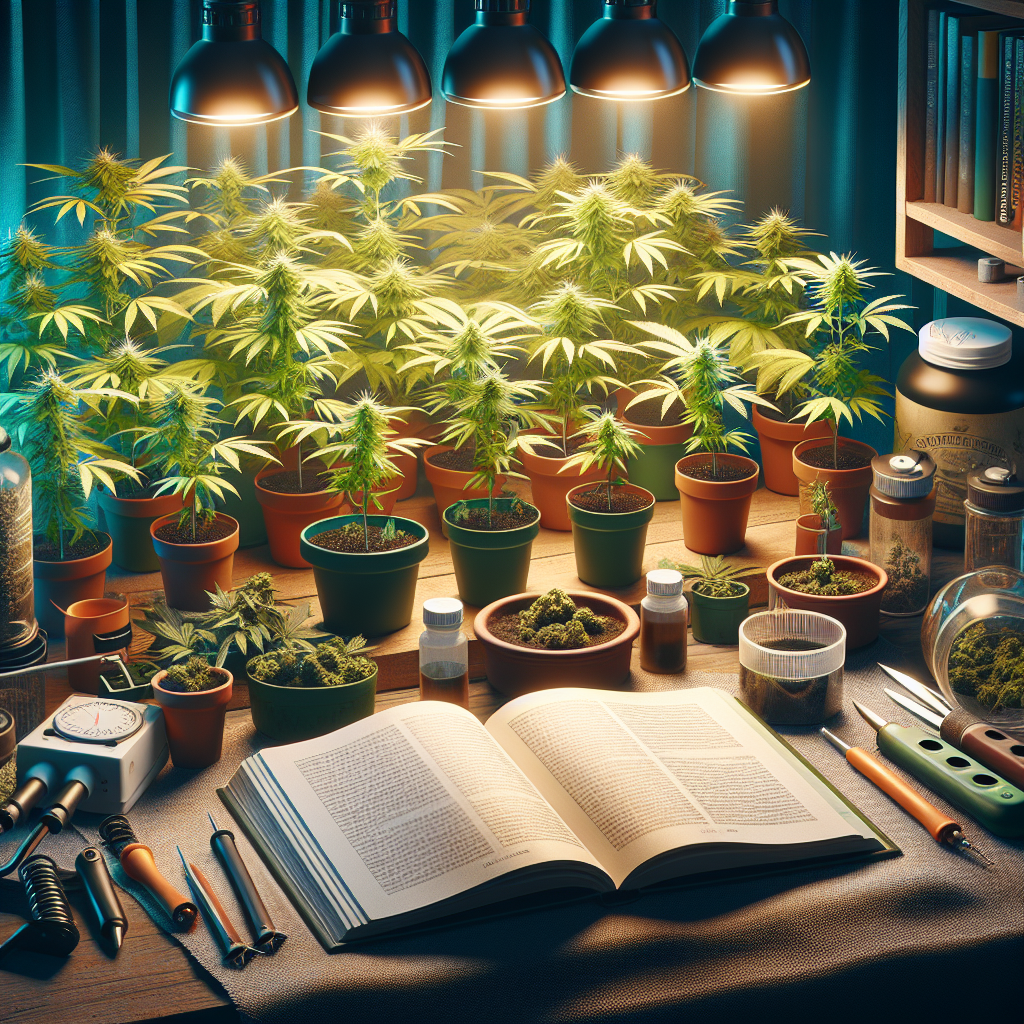
Indoor Growing: This method allows for greater control over environmental factors. You will need grow lights, fans, a temperature and humidity monitor, and possibly a carbon filter for odor control. Indoor farming is ideal if you live in an area with less daylight or unfavorable weather.
- Outdoor Growing: This requires less equipment and utilizes natural sunlight. However, you must ensure the plants receive adequate light and protection from pests and diseases.
Light Requirements
Cannabis plants thrive on light. For indoor growing, you can choose from various lighting options:
- LED Lights: Energy-efficient and produce less heat.
- High-Intensity Discharge (HID): Provides great yields but can generate a lot of heat, requiring proper ventilation.
- Fluorescent Lights: More suitable for seedlings and clones.
Outdoor plants benefit from full sun for at least six hours a day.
Soil and Nutrients
Choosing the right soil mix is essential for healthy plant growth. Cannabis prefers well-aerated, nutrient-rich soil. You can purchase pre-mixed soils specifically designed for cannabis or create your blend using components like peat moss, vermiculite, and compost.
Nutrients play a significant role in cannabis cultivation. During the vegetative stage, focus on nitrogen-rich fertilizers, while during the flowering stage, switch to phosphorus and potassium-rich options.
Watering
Water is a fundamental requirement, but overwatering is a common mistake. Cannabis prefers slightly dry conditions between watering sessions. Observe the plants; if the top inch of soil feels dry, it’s time to water. Ensure good drainage to prevent root rot.
The Growth Phases
Cannabis growth comprises the following stages:
-
Germination: Seeds typically germinate within 24 to 72 hours. Keep them moist and warm in a damp paper towel until they sprout.
-
Seedling: This phase lasts 2-3 weeks. Seedlings need less water than mature plants and should have access to light for about 18 hours a day.
-
Vegetative: In this phase, the plant focuses on growth. This can last for several weeks to months, depending on your goals. Maintain a light cycle of 18–24 hours and provide ample nitrogen.
- Flowering: Triggered by a change in light to 12 hours on and 12 hours off, this phase typically lasts 8-12 weeks. Plants will produce buds during this stage, requiring more phosphorous and potassium.
Pest and Disease Management
To grow healthy cannabis, it’s essential to keep pests and diseases at bay. Use organic pesticides like neem oil or insecticidal soap to treat infestations early. Regularly inspect your plants for signs of pests like spider mites and aphids.
Harvesting and Curing
Once your cannabis reaches maturity, typically indicated by the trichomes turning a milky white, it’s time to harvest. Cut the branches and hang them upside down in a dark, ventilated space. After about a week, when they feel dry to the touch, place them in glass jars for curing. This process enhances the flavor and potency, taking about 2-4 weeks.
Conclusion
Growing cannabis at home can be an enriching experience, providing you with quality product and an understanding of plant biology. By following these guidelines, you can successfully cultivate cannabis—whether for personal use or as a new hobby. With patience and practice, you will master the art of growing cannabis.
FAQs
1. Is it legal to grow cannabis at home?
Laws vary by location; always check your local regulations before cultivating cannabis.
2. How much space do I need to grow cannabis?
Indoor grows can be compact; a small closet works for a few plants, while outdoor cultivation might require a backyard or garden space.
3. What is the best time to plant cannabis?
Generally, seeds can be planted indoors anytime, but outdoor cultivation is best from late spring to early summer.
4. How can I tell when my cannabis is ready to harvest?
Look for trichomes; a milky/amber color typically indicates peak THC levels.
5. What equipment do I need for indoor growing?
At minimum, you will need grow lights, pots, soil, a fan for air circulation, and possibly odor control equipment.
By following these insights, you’re well on your way to becoming a skilled cannabis cultivator. Happy growing!
[ad_2]