 By
By [ad_1]
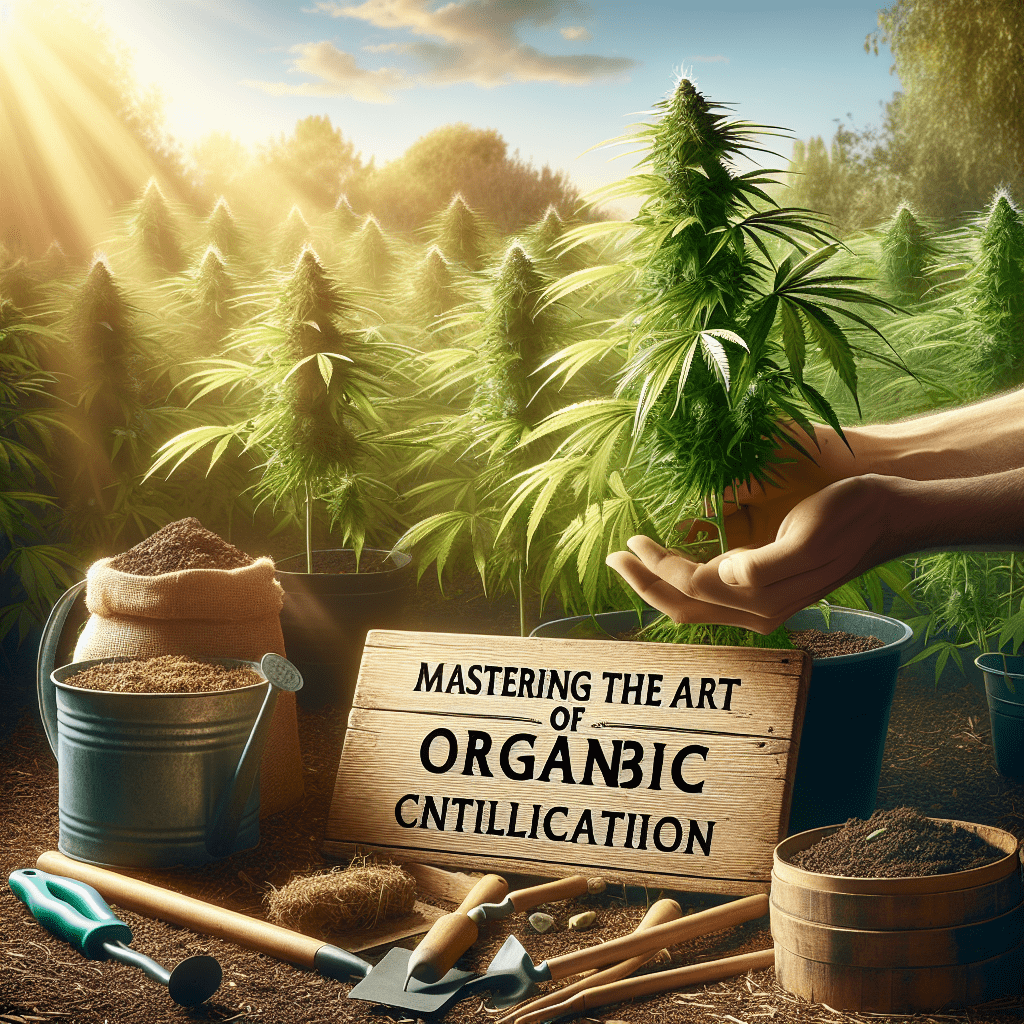
As the landscape of cannabis cultivation continues to evolve in the United States, organic growing practices are gaining prominence among both novice and seasoned cultivators. With an increasing number of states legalizing cannabis for both medicinal and recreational purposes, the demand for sustainably grown, pesticide-free products is skyrocketing. This article delves into the intricacies of mastering organic cannabis cultivation, exploring current trends, techniques, and insights to provide an authoritative guide for future growers.
The Importance of Organic Practices
Organic cultivation goes beyond simply avoiding synthetic fertilizers and pesticides; it encompasses a holistic approach to growing that emphasizes soil health, biodiversity, and the overall ecosystem. According to the Organic Trade Association (OTA), the organic market in the U.S. reached a record $61.9 billion in 2021, marking a significant shift towards organic products, including cannabis. As consumers become increasingly educated about the benefits of organic produce, the cannabis industry is witnessing a surge in interest towards organic cultivation—an upward trend that cultivators must recognize and adapt to.
In addition to consumer preferences, organic cultivation has substantial environmental benefits. It helps sustain local ecosystems by preserving soil integrity, minimizing chemical runoff, and fostering biodiversity. Organic methods are preferred not only for their health benefits but also for their potential to combat climate change by sequestering carbon in the soil.
Essential Techniques for Organic Cultivation
Mastering organic cannabis cultivation requires a comprehensive understanding of various cultivation techniques. Firstly, the foundation of any successful organic garden is healthy soil. Utilizing a rich blend of compost, worm castings, and natural fertilizers like bone and blood meal creates a nutrient-dense medium for plants. Microbial activity in healthy soil plays a crucial role in nutrient uptake, meaning that investing in soil health yields long-term benefits.
Companion planting is another technique that organic growers can leverage. Planting complementary crops alongside cannabis can help deter pests, enhance growth, and boost the overall health of the ecosystem. For instance, intercropping cannabis with plants like basil or marigold serves a dual purpose—enhancing flavor profiles and repelling harmful insects.
Water management is equally important. Organic growers should implement methods such as drip irrigation to optimize water use and promote soil moisture retention. Rainwater harvesting systems can further enhance sustainability by reducing dependency on municipal water supplies. Striking a balance between necessary watering and drought-resistant practices can contribute significantly to healthier cannabis plants.
Current Trends in Organic Cannabis Cultivation
As organic cannabis gains traction, several emerging trends are shaping the landscape of cultivation in the U.S. A push towards regenerative agriculture is perhaps one of the most significant. Regenerative practices focus on rebuilding soil health and sequestering carbon through organic methods. Cultivators are increasingly incorporating cover crops, mulch, and crop rotations into their cultivation regimes to promote soil vitality.
Additionally, the market is seeing a rise in organic certification programs tailored specifically for cannabis. The Organic Materials Review Institute (OMRI) is one such organization that provides certification for inputs used in organic cannabis production. These certifications assure consumers of the quality of the product they purchase, fostering trust and loyalty in an increasingly crowded market.
Furthermore, technology plays an indispensable role in modern organic cannabis cultivation. Innovations in smart agriculture, including IoT devices and data analysis, are enabling cultivators to optimize growing conditions while minimizing resource use. For instance, sensors placed in soil can guide growers in adjusting water and nutrient inputs in real-time, leading to more sustainable practices without sacrificing quality.
Expert Insights and Sustainable Practices
Insights from experts in organic cannabis cultivation shed light on what it takes to succeed in this field. Many cultivators advocate for continuous education and participation in community forums or workshops. Engaging with fellow growers allows newcomers to share experiences and tackle challenges collaboratively, fostering a sense of community that’s vital in the burgeoning cannabis industry.
Moreover, pest management remains an area of concern for organic growers. Rather than resorting to chemical interventions, techniques like integrated pest management (IPM) emphasize biological control methods. For instance, introducing beneficial insects such as ladybugs can help maintain a natural balance in the ecosystem, reducing pesticide dependency.
Another dimension to organic cultivation is its intersection with social justice. As cannabis legalization expands, there is increased attention on ensuring equitable access to cultivation rights for minority communities, who have historically faced injustices in the war on drugs. Weaving social equity into the fabric of organic cannabis cultivation not only uplifts marginalized voices but also cultivates a more resilient industry.
Conclusion: A Bright Future Ahead
Mastering the art of organic cannabis cultivation is an evolving journey that offers promises of sustainability, health benefits, and community resilience. As the demand for organic cannabis increases, cultivators must be willing to adapt, innovate, and educate themselves continuously. The intersection between organic practices and the cannabis industry represents a golden opportunity to pave the way for a healthier planet and a thriving market.
In an age where consumers are increasingly discerning about the quality of the products they purchase, organic cannabis isn’t merely a trend; it is a movement toward responsible cultivation that respects the earth and its inhabitants. For new and experienced growers alike, taking the plunge into organic practices is not only beneficial but also essential for a future that cherishes ecological health alongside economic success. The potential to cultivate not just a plant but a sustainable framework for the future lies in the hands of every cultivator willing to take the leap into organic gardening.
[ad_2]