
 By
Hemp Retailers Liquidate Inventory Ahead of Ban
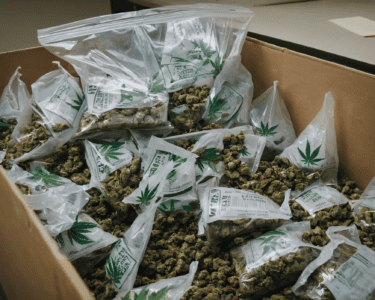
Hemp retailers across Missouri slashed prices, cleared shelves and, in some cases, gave away products this week as they prepared for a new state law restricting the sale of hemp-derived THC. The law took effect Thursday and prohibits many hemp-derived THC products from being sold outside Missouri’s licensed marijuana dispensaries.
Clearance bins appeared on gas station countertops and smoke shops emptied display cases. “Last Chance” signs appeared in store windows throughout the state, selling products for 70 percent off or more.
Brian Riegel, owner of South Point Hemp in Union, grows hemp at his farm and manufactures his products at his warehouse. On Wednesday, Riegel closed his doors and liquidated his products.
“It’s just basically been a sad day,” Riegel told the Missouri Independent. “We’ve tried to get most of our customers to come in beforehand. We reached out to a lot of them to make sure they were aware of the laws that were coming into place.”
Riegel is also the treasurer of the Missouri Hemp Trade Association, which represents businesses selling and producing hemp products. He said this week has been hard for all the members.
Business Owners Describe Layoffs and Losses
“They’re calling, crying because they’re firing people that have been working with them for five years,” he told the Missouri Independent.
“There’s some people with multiple stores, so they had managers, multiple families relying on the income from this,” Riegel said.
In Rosebud, John and Kara Grady were giving away their products for free to veterans. Many of their products were full-spectrum CBD, which have about 2 mg of THC to enhance the pain-relief and soothing properties of CBD.
Those products are still in limbo on a federal level, but in Missouri they are now banned. The Gradys are both veterans and pride themselves on being a veteran-owned hemp business.
“The insult of all insults is today is Veterans Day,” John said, “and this is the last day we can sell any of our hemp products in the state of Missouri outside of beverages.”
Enforcement and What Comes Next
Missouri Attorney General Catherine Hanaway (R) said enforcement efforts would focus on businesses selling prohibited products, rather than consumers who purchased them.
“Certainly no one enforcing the law is particularly concerned about the consumers,” Hanaway said. “It’s really the store owners and the sellers that we want to make sure are complying with the law.”
A memo from the Missouri Department of Public Safety states the attorney general has primary jurisdiction over enforcement and may authorize the Department of Health and Senior Services, the public safety department, Division of Alcohol and Tobacco Control, the Missouri State Highway Patrol, or any other state agency it deems necessary to aid enforcement efforts.
Amy Moore, director of the Division of Cannabis Regulation, said the agency is ready to take direction from Hanaway’s office regarding lab testing or other resources needed.