 By
By [ad_1]
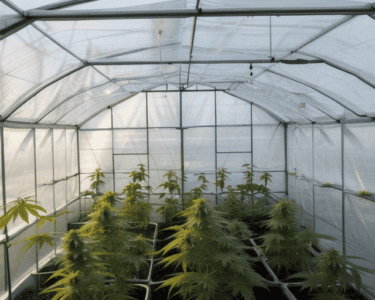
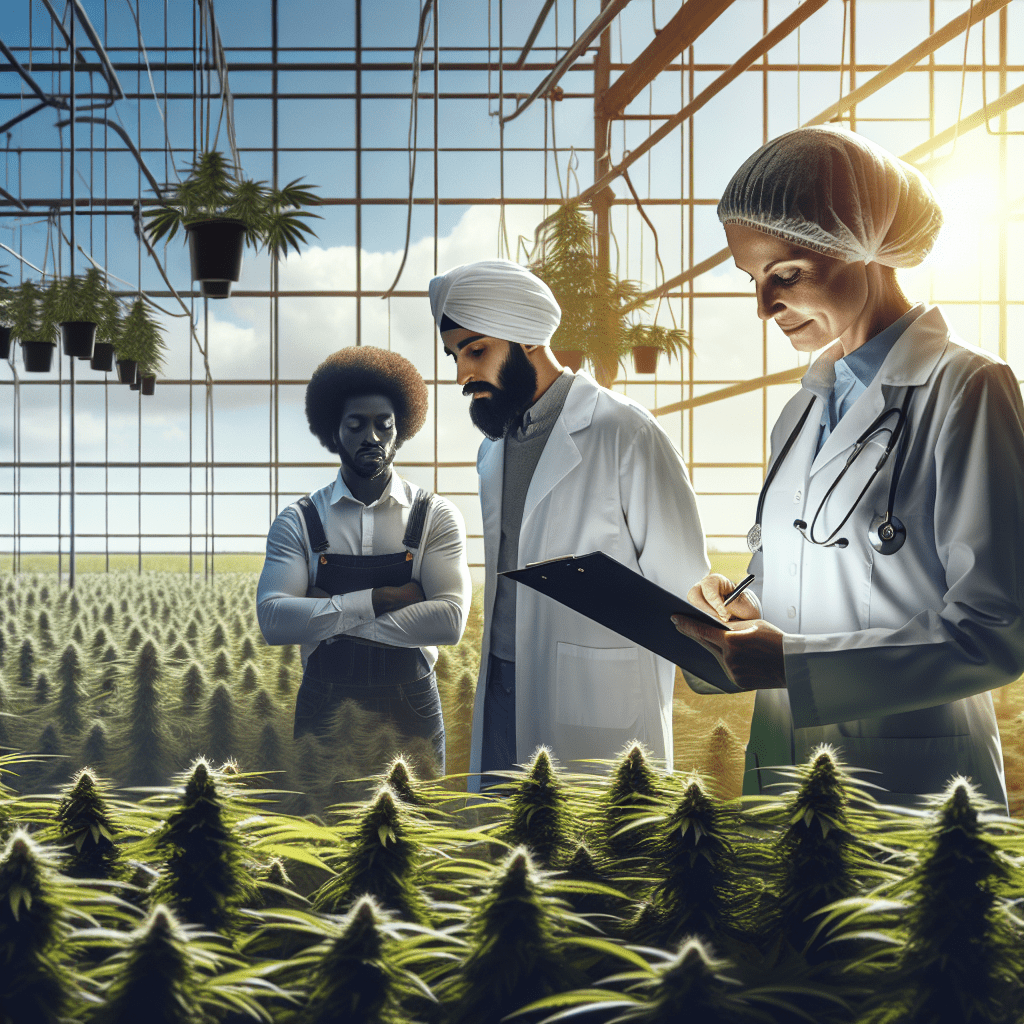
As the legal landscape surrounding cannabis cultivation continues to evolve, many growers are opting to utilize greenhouses as an efficient and effective way to produce this lucrative crop. However, growing cannabis in greenhouses is not without its challenges, particularly when it comes to navigating the complex regulatory environment. This article aims to explore the essential aspects of greenhouse cannabis cultivation, including regulatory considerations, best practices, and the benefits of this method.
Understanding Local Cannabis Laws
The first step to successfully growing cannabis in a greenhouse is to thoroughly understand local, state, and federal regulations governing cannabis cultivation. Here are a few critical aspects to consider:
-
Licensing Requirements: Most jurisdictions require growers to obtain specific licenses to cultivate cannabis. This may involve a lengthy application process and compliance with strict regulations, including security measures and facilities inspections.
-
Growing Limits: Many states impose restrictions on the amount of cannabis a grower can cultivate. These limits can depend on whether the cultivation is for personal use or commercial purposes. Understanding these limits is crucial to avoid potential legal issues.
-
Zoning and Land Use: Cannabis cultivation may be subject to zoning regulations that restrict where greenhouses can be built or where cannabis can be grown. Ensure compliance with local zoning laws before constructing or modifying a greenhouse.
-
Environmental Regulations: Cannabis cultivation may be subject to environmental regulations, including water usage and discharge regulations. Compliance with these laws is not only essential from a legal standpoint but also from a sustainability perspective.
- Pesticides and Herbicides: The use of specific chemicals in cannabis cultivation is often regulated. Growers must familiarize themselves with which substances are permitted to ensure that their practices comply with safety regulations.
Best Practices for Greenhouse Cultivation
Once you have a solid understanding of the regulatory framework, implementing best practices can improve yield, sustainability, and compliance:
-
Climate Control: Greenhouses can be equipped with systems to control temperature, humidity, and ventilation. Proper climate control is vital for cannabis plants, which have specific requirements for optimal growth. Investing in technology such as automated vents, fans, and heating systems can enhance plant health and yield.
-
Lighting: While greenhouses allow for natural sunlight, supplementary lighting may be necessary, especially in regions with shorter days. LED options are energy-efficient and can produce the spectra needed for different growth stages.
-
Irrigation Systems: Efficient irrigation systems, such as drip irrigation, can help manage water usage while ensuring that plants receive adequate moisture. This is especially important in areas where water resources are limited.
-
Integrated Pest Management: Instead of relying solely on chemical treatments, employing an integrated pest management (IPM) approach can mitigate pest issues. Strategies may include introducing beneficial insects, using traps, and maintaining clean growing environments.
- Record Keeping: Keeping detailed records of plant growth, pest control measures, and regulatory compliance is crucial for both operational efficiency and legal accountability.
Benefits of Growing Cannabis in Greenhouses
Growing cannabis in greenhouses offers several advantages compared to traditional indoor or outdoor cultivation:
-
Cost-Effectiveness: Greenhouses leverage natural sunlight, reducing the energy costs associated with artificial lighting in indoor grow systems.
-
Environmental Control: Greenhouses provide growers with greater control over the growing environment compared to outdoor cultivation. This allows for year-round production in many climates, with reduced risk of pests and diseases.
-
Better Resource Management: Innovations in greenhouse farming can lead to reduced water and nutrient waste. Closed-loop systems can be incorporated to recycle water and nutrients.
- Higher Yields: The combination of controlled conditions and optimized growth strategies can lead to higher yields as compared to traditional outdoor growing.
Frequently Asked Questions (FAQs)
1. Do I need a special license to grow cannabis in a greenhouse?
Yes, you typically need a license or permit to grow cannabis in a greenhouse, depending on local laws. Check with your state’s cannabis regulatory agency for specific license requirements.
2. What are the zoning restrictions for greenhouse cannabis cultivation?
Zoning restrictions vary by locale. Some areas may prohibit cannabis cultivation in certain zones while others may have specific requirements for greenhouse placement or size.
3. Can I grow cannabis in a greenhouse without artificial lighting?
While it is possible to grow cannabis in a greenhouse using only natural light, many growers use supplemental LED lighting to extend the photoperiod, especially in regions with less sunlight during certain times of the year.
4. Are there specific pesticide regulations for cannabis cultivation?
Yes, pesticides used in cannabis cultivation must be approved for use on food crops and comply with local regulations. Always verify the label and check with regulatory agencies.
5. What is Integrated Pest Management (IPM)?
IPM is an environmentally sustainable approach to managing pests that combines biological, cultural, physical, and chemical methods. It aims for long-term pest control without relying solely on pesticides.
In summary, growing cannabis in greenhouses presents unique opportunities and challenges, particularly in navigating the various regulations. By staying informed about the legal requirements and implementing effective growing practices, cultivators can maximize their success in this dynamic industry while supporting sustainable cultivation.
[ad_2]