

 By
By [ad_1]
The cannabis plant, an ancient staple with deep historical roots, has gained significance not only for recreational use but also for medicinal properties. As the legalization of cannabis spreads across many regions, more individuals are seeking to grow their own plants, leading to a newfound appreciation for the nuances of cannabis cultivation. This article aims to provide a comprehensive overview of nurturing cannabis with care, emphasizing the importance of understanding the plant’s growth requirements.
Understanding Cannabis Basics
Cannabis is divided into three primary species: Cannabis sativa, Cannabis indica, and Cannabis ruderalis. Each species possesses unique characteristics that can affect growth patterns, height, yield, and cannabinoid profiles. Understanding these distinctions will help growers choose the right strain for their intended purpose, whether for recreational use, medical benefits, or both.
Choosing the Right Strain
Selecting a cannabis strain is a critical first step. The desired effects, flavor profiles, and growth characteristics vary widely among strains. Sativa plants tend to produce uplifting effects and higher yields, whereas indica strains are often associated with relaxation and sedative effects. It’s essential for growers to select strains that are well-suited to their environment and personal preferences.
Climate and Environment
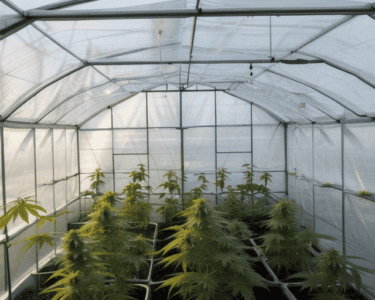
One of the critical factors in successful cannabis cultivation is understanding the plant’s environmental needs. Cannabis thrives in conditions that mimic its natural habitat—warm, sunny, and well-ventilated areas. Here are some key environmental considerations:
Temperature
Ideal temperatures for cannabis growth are typically between 70°F to 85°F (20°C to 30°C) during the day and slightly cooler at night. Extreme temperatures can stress plants, leading to stunted growth or decreased yield.
Lighting
Light is crucial for photosynthesis and subsequently affects plant growth and yield. Indoor growers often use LED or HID lights, while outdoor growers should aim for full sun exposure for at least six hours a day. Understanding the light cycle is essential; cannabis is a photoperiod plant, meaning its flowering phase is triggered by changes in light duration.
Soil and Nutrients
High-quality soil provides the foundation for healthy cannabis growth. A well-structured mix containing organic matter, perlite, and nutrients will support robust root development. Growers must ensure that the soil has good drainage to prevent waterlogging.
Nutrient needs vary throughout the lifecycle of cannabis plants—during the vegetative stage, a higher nitrogen level is important, while phosphorus and potassium take precedence during flowering. Many growers prefer organic fertilizers for their slow-release properties and reduced risk of nutrient burn.
Cultivation Techniques
Growing cannabis can be as straightforward or complex as one desires. Several cultivation techniques can optimize growth and yield:
Pruning and Training
Techniques like topping, low-stress training (LST), and defoliation help shape plants for better light exposure and airflow. Pruning allows for optimal growth by directing energy towards the most productive parts of the plant.
Hydroponics vs. Soil
Hydroponics is a soilless cultivation method that uses nutrient-rich water. It allows for faster growth and higher yields but requires more attention to nutrient levels and pH balance. Soil growing, though slower, is often more forgiving and easier for beginners.
Pest and Disease Management
Like any plant, cannabis is susceptible to pests and diseases. Prevention is typically more effective than treatment. Here are several strategies for maintaining healthy plants:
Integrated Pest Management (IPM)
Utilizing beneficial insects, such as ladybugs and predatory mites, can keep pest populations in check. Additionally, maintaining a clean growing environment helps reduce the risk of infestations.
Recognizing Diseases
Common cannabis diseases include powdery mildew and root rot. Identifying symptoms early helps in implementing effective tactics to prevent them from spreading. For example, improving air circulation can combat powdery mildew, while ensuring proper watering techniques can prevent root rot.
Harvesting and Curing
Harvesting should occur at the right moment, usually when the trichomes (tiny resinous glands on the buds) transition from clear to milky white. This transition indicates peak cannabinoid concentration.
After harvesting, curing the cannabis is crucial for enhancing flavor and potency. The buds should be dried slowly in a dark, cool place, followed by a curing process inside airtight containers, allowing moisture to distribute evenly and minimizing the risk of mold.
FAQs
1. Is it legal to grow cannabis at home?
The legality of home cultivation varies significantly by location. Research local regulations related to cannabis cultivation before starting.
2. How much light does cannabis need?
Cannabis generally requires at least 6 hours of direct sunlight per day when grown outdoors and 12-18 hours of artificial light for indoor cultivation.
3. Can I grow cannabis indoors without soil?
Yes, hydroponics is a popular soilless method that allows cannabis to thrive in nutrient-rich water.
4. What are the common pests to watch for?
Common pests include spider mites, aphids, and whiteflies. Early identification and integrated pest management can mitigate their effects.
5. How can I tell when my cannabis is ready to harvest?
Inspect the trichomes; they should appear milky white with some amber for peak potency.
Growing cannabis is both an art and a science that requires attention, care, and an understanding of the plant’s needs. By nurturing nature and applying best practices, growers can enjoy a rewarding and fruitful experience. Whether you’re a novice or an experienced cultivator, there’s always something new to learn in the world of cannabis cultivation.
[ad_2]