
 By
By [ad_1]
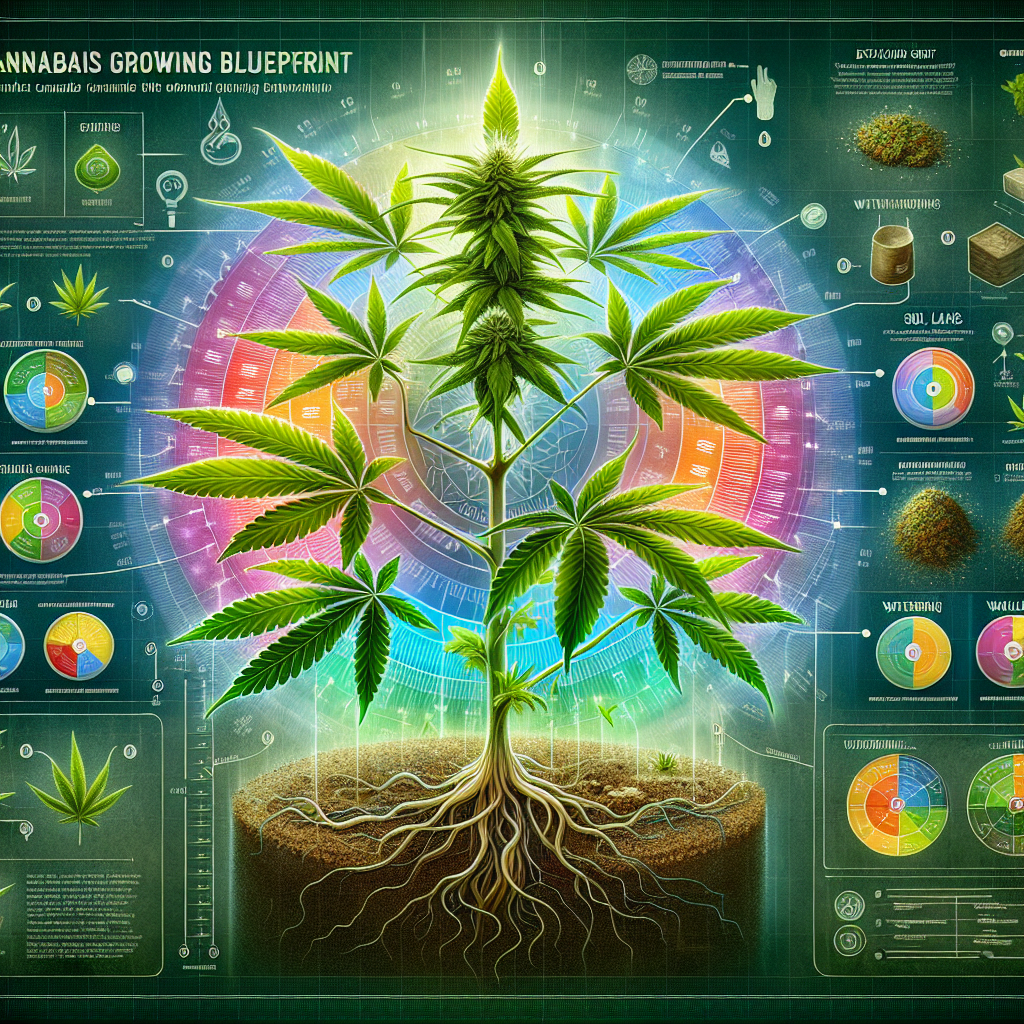
Growing cannabis can be a rewarding experience, whether you’re looking to produce your own medicine or simply enjoy a new hobby. However, as a beginner, the plethora of information available can be overwhelming. This guide aims to provide a comprehensive blueprint for newbies, covering everything from selecting the right seeds to ensuring a successful harvest.
Choosing the Right Seeds
The first step in cannabis cultivation is selecting seeds. You typically have three options:
-
Regular Seeds: These can produce male and female plants. Males are generally not desired unless you’re breeding, as they do not produce flower.
-
Feminized Seeds: These are bred to produce only female plants, which are the ones that yield flowers rich in cannabinoids.
- Autoflowering Seeds: These seeds automatically switch from the vegetative stage to the flowering stage without needing a change in light cycles. They are ideal for beginners due to their ease of growth and quicker harvest time.
When choosing seeds, consider your growing conditions, environmental factors, and the strain’s THC/CBD levels. Popular strains for beginners include Northern Lights, Blue Dream, and White Widow.
Setting Up Your Growing Environment
Indoor vs. Outdoor Growing
-
Indoor Growing: Provides more control over environmental factors, including light, temperature, and humidity. You’ll need the following equipment:
- Grow Lights: LED lights are energy-efficient and provide the spectrum needed for both vegetative and flowering stages.
- Ventilation: A fan can help circulate air and prevent mold and pests.
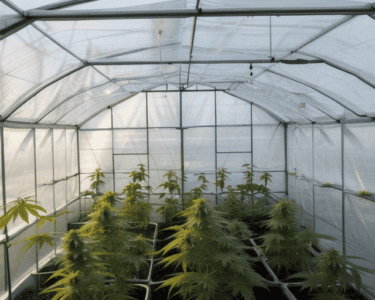
- Grow Tent: This helps contain light and maintain humidity levels.
- Outdoor Growing: Takes advantage of natural sunlight and is often less expensive. Consider your climate and ensure your chosen strain is suitable for outdoor conditions.
Soil and Nutrients
Choosing the right soil is crucial for healthy growth. A soil mix with good drainage and aeration will support root development. Look for soil rich in organic matter, such as compost.
In addition, cannabis plants require nutrients differently at various growth stages:
-
Vegetative Stage: Focus on nitrogen-rich fertilizers to promote growth.
- Flowering Stage: Switch to phosphorus and potassium-rich nutrients to support bud development.
Watering
The quantity and frequency of watering depend on several factors including plant size, soil moisture, and environmental conditions. Overwatering is a common mistake among newbies. Always check the top inch of the soil; if it’s dry, it’s time to water.
Growth Stages of Cannabis
Cannabis goes through several distinct growth stages:
-
Germination: Seeds begin to sprout. This stage typically lasts 3-10 days. Keep seeds in a warm, dark place.
-
Seedling: As young plants develop leaves, they require ample light (18-24 hours per day) and gentle moisture.
-
Vegetative: Lasting up to several weeks, plants focus on growth. This is the time to train plants through techniques like topping or LST (low-stress training) to ensure a bushier shape and better light penetration.
-
Flowering: Triggered by light cycles (12 hours of light and 12 hours of darkness), this stage sees the plant develop flowers. Monitor for signs of maturity, such as the presence of white pistils on female plants.
- Harvesting: Determining the right time to harvest is crucial for getting the desired potency and flavor. Use a magnifying glass to examine trichomes on the buds. They should look cloudy for peak potency.
Drying and Curing
After harvesting, drying your buds is vital to enhance flavor and potency. Hang branches in a dark, cool space with good airflow. Once the stems snap easily (usually after about a week), transfer the buds to glass jars for curing. Open the jars periodically to let moisture escape while sealing them to enhance flavor.
Troubleshooting Common Issues
-
Pest Problems: Aphids and spider mites can harm your plants. Use neem oil or insecticidal soap as organic solutions.
-
Nutrient Deficiency: Yellowing leaves may indicate a lack of nitrogen, while burnt tips can signal nutrient burn. Adjust your nutrient regimen accordingly.
- Environmental Stress: High temperatures can cause plants to wilt or stretch. Ensure a stable environment to avoid shock.
FAQs
How long does it take to grow cannabis?
Typically, cannabis takes around 3-5 months from seed to harvest, depending on the strain and growing conditions.
Can I grow cannabis legally?
This depends on your location. Some places have legalized recreational or medicinal cannabis, while others have strict laws. Always check local regulations.
What is the best lighting for growing cannabis indoors?
LED grow lights are highly recommended because they’re energy-efficient and emit a full spectrum of light that is ideal for all growth stages.
Do I need a lot of space to grow cannabis?
Not necessarily! Autoflowering strains can thrive in small spaces, making them ideal for urban growers. You can also use methods like Sea of Green (SOG) to maximize yields in limited space.
How do I know when to harvest my cannabis?
Use a magnifying glass to check trichomes on your buds. Harvest when they appear cloudy for a more potent effect; milky white trichomes indicate peak THC levels.
What are the signs of nutrient deficiencies?
Common signs include yellowing leaves, spots, or burnt tips. Research specific nutrient deficiencies to identify and address issues promptly.
Is it possible to grow cannabis without using fertilizers?
Yes, but yields may be lower. Using organic amendments like compost can provide necessary nutrients over time.
With this ultimate blueprint, beginners can approach cannabis cultivation with confidence and excitement. Happy growing!
[ad_2]