 By
By [ad_1]
Optimal Conditions for Growing Cannabis in a Greenhouse in the United States
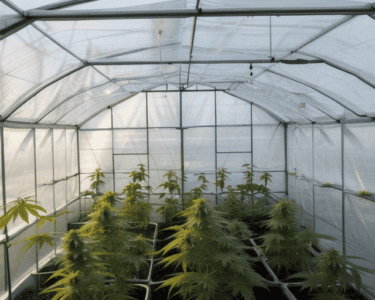
As the cannabis industry continues to expand across the United States, many cultivators are discovering the numerous benefits of using greenhouses for growing this versatile plant. Greenhouses offer a unique blend of controlled environments that allow growers to optimize conditions for healthy plant development, maximize yields, and reduce operational costs while adhering to local laws and regulations. Understanding the optimal conditions for cannabis cultivation in greenhouses is crucial for success in this rapidly evolving landscape.
Understanding Greenhouse Advantages
Greenhouses bridge the gap between outdoor and indoor cultivation methods. They allow for natural sunlight while providing protection from the elements, pests, and diseases. This hybrid approach not only enhances the quality of the cannabis produced but also fosters sustainable practices. Many states are adopting greenhouses as a way to meet the increasing demand for cannabis without resorting to energy-intensive indoor operations—which have garnered criticism for their carbon footprints and resource usage. In states like California and Oregon, where greenhouse cultivation is prevalent, growers are discovering that well-managed environments can lead to high-quality buds that compete with indoor-grown products.
Climate Control: The Cornerstone of Growth
The foundation of effective greenhouse cannabis cultivation lies in climate control. Cannabis plants thrive in temperatures ranging from 70°F to 85°F during the day and slightly cooler at night. Maintaining humidity levels between 40% and 60% is ideal, particularly during the flowering stage when elevated moisture can lead to mold and mildew. Growers are increasingly employing automated systems to regulate temperature and humidity, ensuring consistent conditions year-round regardless of external weather fluctuations.
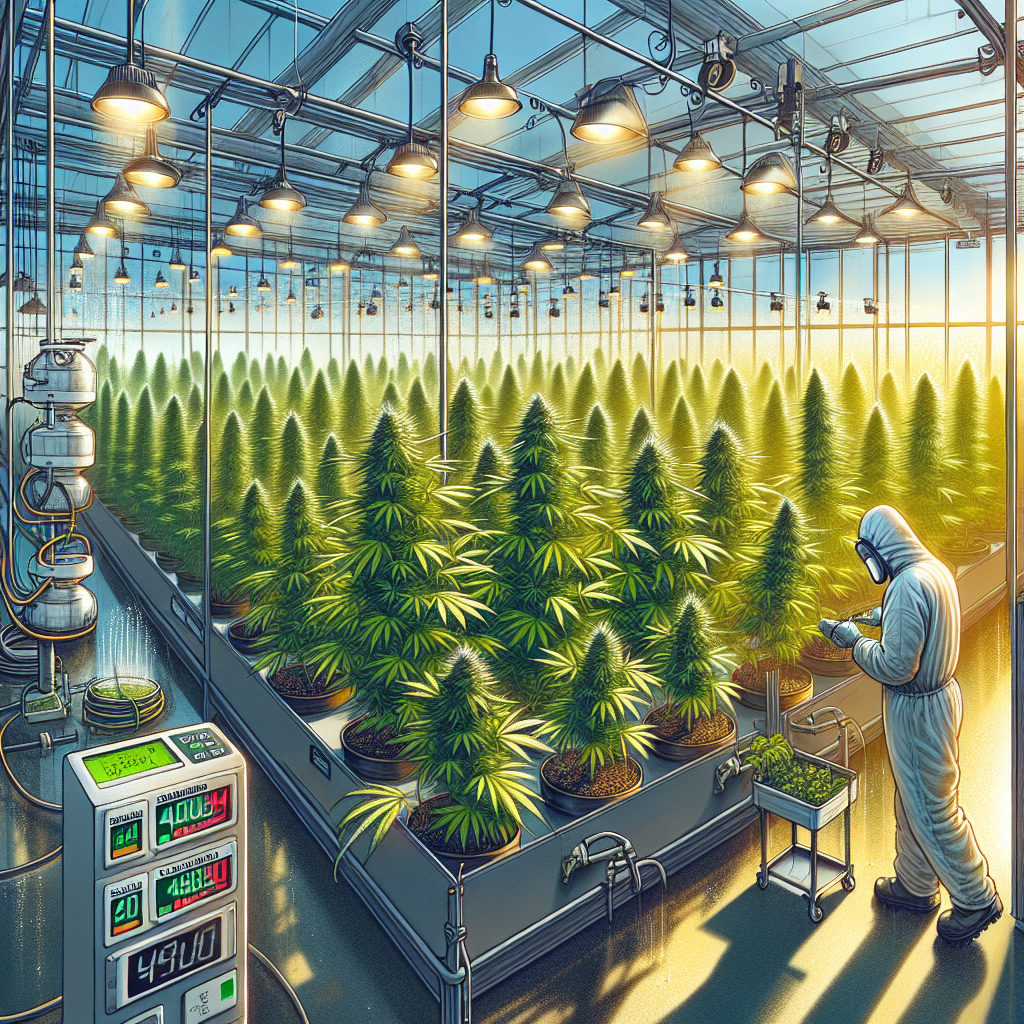
Recent technological advancements have transformed greenhouse cultivation practices. Smart greenhouses equipped with sensors, temperature regulation systems, and automated irrigation can optimize these parameters dynamically based on real-time data. This not only enhances the health of the plants but can also lead to a more sustainable approach by minimizing resource wastage.
Soil and Nutrients: The Foundation of a Healthy Crop
The quality of soil and the nutrients available are critical components for cannabis growth. Many growers are opting for soil-less growing mediums, such as coconut coir or peat-based mixtures, which offer excellent aeration and drainage while allowing for more precise nutrient management. Nutrient-rich fertilizers should be chosen based on the specific growth stage of the plants—nitrogen, phosphorus, and potassium are essential during different phases, and supplements such as calcium and magnesium often help boost overall plant health.
Current trends suggest a growing acceptance and implementation of organic practices in cannabis cultivation. As consumers increasingly lean towards sustainably grown products, cultivators are adopting organic fertilizers and methods that align with eco-conscious ideals.
Lighting Conditions: Harnessing the Sun
Although greenhouses benefit from natural sunlight, supplemental lighting can greatly enhance cannabis growth, particularly in northern states where sunlight may be less abundant during certain seasons. High-Intensity Discharge (HID) lights and Light Emitting Diodes (LEDs) are popular choices among growers, with LEDs gaining traction for their energy efficiency and longevity.
Season and latitude play significant roles in determining how much additional light is necessary. Photoperiod-sensitive cannabis strains require specific light-dark cycles to initiate flowering. Greenhouse growers often utilize blackout curtains to manipulate these cycles, extending the growing season and improving yields.
Watering and Irrigation: The Lifeblood of the Crop
An efficient watering system is crucial for the health of cannabis plants. Overwatering can lead to root rot, while underwatering can cause stress and inhibit growth. Many growers are incorporating drip irrigation systems that provide precise amounts of water directly to the root zone, thereby reducing waste and enhancing plant vitality.
Furthermore, the use of rainwater harvesting and reusing nutrient-rich runoff has become increasingly popular. Not only do these practices promote sustainability, but they also capitalize on cost savings in water usage—an important consideration given that some states are facing water shortages due to climate change.
Legal Regulations and Compliance
While the demand for cannabis continues to grow, cultivators must navigate the intricate web of legal regulations that govern its production. Policies can vary significantly from state to state, impacting everything from licensing to the types of products growers can produce. As of 2023, several states, including New York and New Jersey, are rapidly expanding their legal cannabis markets, presenting both opportunities and challenges for greenhouse growers. Staying informed about and compliant with local regulations is essential for any burgeoning cannabis business.
Collaboration with local agricultural experts and institutions can provide cultivators with up-to-date information on best practices and regulatory developments, ensuring that they remain compliant while optimizing their operations.
Conclusion: The Future of Greenhouse Cannabis Cultivation
In conclusion, the future of cannabis cultivation in greenhouses looks promising, driven by technological advancements, evolving consumer preferences, and a growing emphasis on sustainability. By optimizing temperature, humidity, soil, lighting, and water resources, along with adhering to legal frameworks, growers can cultivate high-quality cannabis that meets market demands.
As the industry continues to evolve, those who adapt and innovate in their approaches will stand at the forefront of a burgeoning market. The journey of cannabis cultivation in greenhouses is not just about growing a product; it embodies environmental responsibility, community engagement, and a commitment to excellence that cultivators must carry forward with pride. As we look ahead, the ability to harness nature while utilizing modern technology will play a defining role in the future landscape of cannabis cultivation in the United States.
[ad_2]