

 By
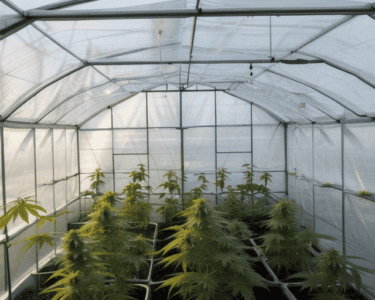
By Growing cannabis organically isn’t just a trend — it’s a return to the fundamentals of cultivation that produces cleaner, more flavorful buds while supporting environmental sustainability. As the cannabis industry matures, an increasing number of cultivators are embracing organic methods that prioritize soil health, natural pest management, and holistic growing practices.
Why Go Organic?
Organic cannabis cultivation avoids synthetic fertilizers, pesticides, and genetically modified organisms. The result is a cleaner product with a fuller terpene profile and fewer unwanted chemical residues. For consumers, this means a purer experience. For growers, it means building a self-sustaining ecosystem that can improve yield over time.
The demand for organic cannabis has surged as more dispensaries and consumers prioritize quality and sustainability. Many premium markets now command higher prices for organically grown flower, making it a smart business decision as well as an environmental one.
Building Healthy Soil
The foundation of organic cannabis growing is healthy soil. Unlike traditional methods that rely on soluble salts and synthetic nutrients, organic growing builds soil biology through compost, cover crops, and natural amendments.
Start with a quality soil blend that includes worm castings, kelp meal, and bat guano. These ingredients provide a slow-release source of nitrogen, phosphorus, and potassium along with beneficial microbes. Adding mycorrhizal inoculants helps establish a symbiotic relationship between fungal networks and plant roots, improving nutrient uptake and drought resistance.
Regular soil testing ensures pH stays in the optimal range of 6.0 to 6.8 for soil-based grows. Unlike hydroponic systems, soil offers a buffer against pH fluctuations, making it more forgiving for new growers.
Natural Nutrient Management
Organic nutrients come from natural sources and require soil microbes to break them down before plants can absorb them. This means feeding the soil, not the plant directly. Common organic amendments include:
- Compost tea — brewed aerated compost that adds beneficial microorganisms
- Fish emulsion — a nitrogen-rich liquid fertilizer for vegetative growth
- Bone meal — phosphorus source that supports flowering
- Rock phosphate — slow-release phosphorus for long-term soil health
- Green sand — potassium source that improves disease resistance
- Epsom salts — magnesium supplement that enhances chlorophyll production
The key is consistency. Organic nutrients work gradually, so regular feeding schedules produce the best results. Overfeeding is less of a concern with organics, as the soil’s microbial community naturally moderates nutrient release.
Biological Pest and Disease Control
One of the biggest advantages of organic growing is biological pest management. Rather than spraying chemicals, organic growers encourage beneficial insects and use natural deterrents to manage pests.
Introduce predatory mites, ladybugs, and lacewings to control spider mites, aphids, and whiteflies. Neem oil and insecticidal soaps serve as organic-approved sprays for severe infestations. Companion planting with basil, marigolds, and mint can help repel common pests naturally.
Prevention is paramount in organic growing. Proper spacing ensures air circulation, consistent watering avoids over-saturation, and regular inspections catch problems early before they spread.
Compost: The Organic Grower’s Secret Weapon
Homemade compost transforms cannabis cultivation. A well-balanced compost pile with equal parts greens (kitchen scraps, grass clippings) and browns (dry leaves, cardboard) produces a rich, earthy amendment that feeds soil biology for months.
Adding compost to each grow cycle rebuilds the soil microbiome, increases water retention, and suppresses soil-borne diseases. Many experienced organic growers never buy a bag of soil — they build it season after season with compost and amendments.
The Organic Growing Timeline
Organic cultivation follows a slightly different timeline than conventional methods. Because nutrients release more slowly, plants may take a few days longer to show visible signs of nutrient uptake. Patience is essential.
For vegetative growth, expect a feeding schedule of once per week with diluted compost tea or fish emulsion. During flowering, shift to higher phosphorus and potassium amendments while reducing nitrogen. Many organic growers transition to plain water in the final two weeks, allowing the plant to use up remaining soil nutrients naturally.
Conclusion
Organic cannabis growing requires more time and knowledge than conventional methods, but the rewards are substantial. The buds taste better, the environment benefits, and the soil improves with every season. Whether you’re a small-scale home grower or a commercial operator, organic methods offer a path to premium quality that resonates with today’s discerning consumers.
As the cannabis industry continues to evolve, organic cultivation stands out as a practice that honors both the plant and the planet.