
 By
By [ad_1]
Cannabis cultivation can be a rewarding endeavor, whether for personal use or commercial production. However, it is not without its challenges. Pest infestations, diseases, and various environmental factors can thwart even the most experienced grower’s efforts. Understanding and addressing these challenges are crucial for successful cannabis cultivation. In this article, we will explore common issues faced by cannabis growers and provide practical strategies for overcoming them.
Pest Control in Cannabis Cultivation
Pests can decimate cannabis crops, so awareness and proactive management are essential to successful cultivation.
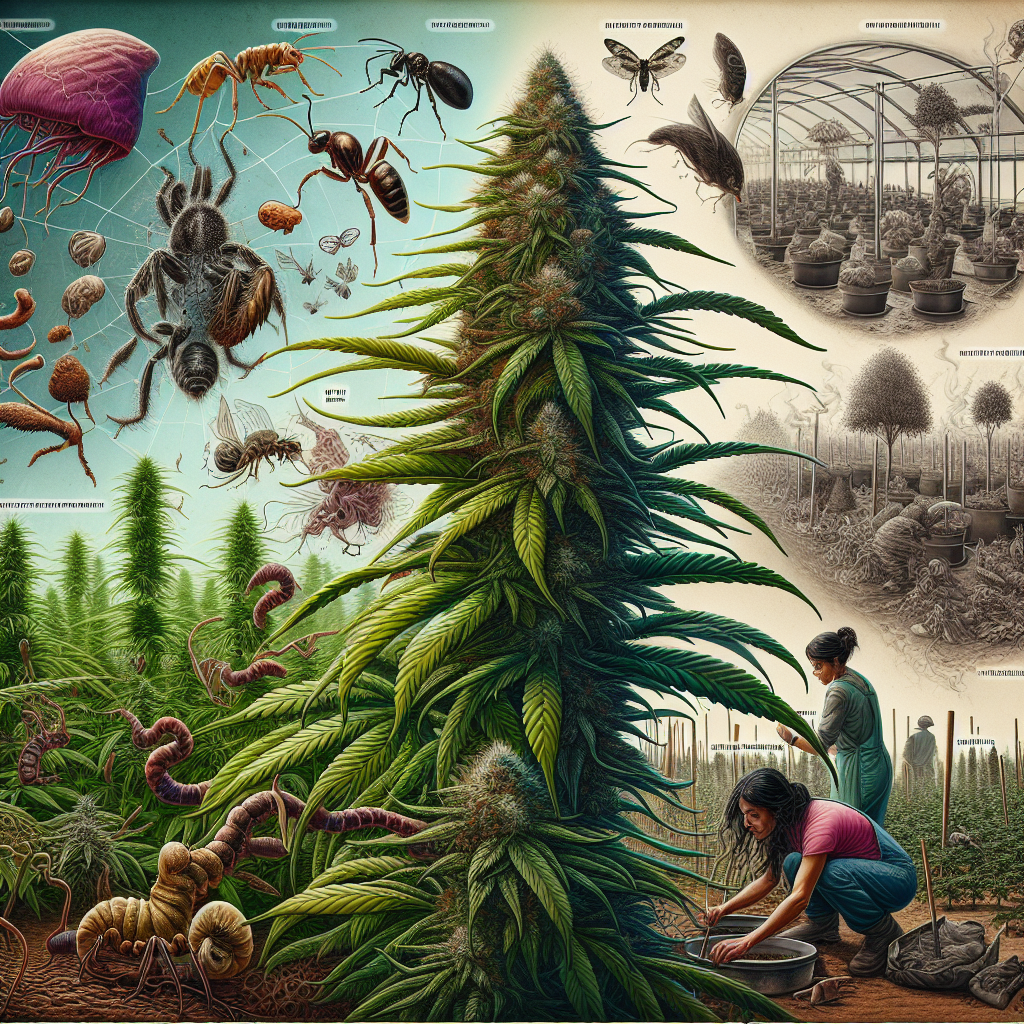
Common Pests
- Spider Mites: These tiny arachnids suck plant juices and can lead to discolored, stippled leaves. They thrive in warm, dry conditions.
- Aphids: Known for their rapid reproduction, aphids can weaken plants, leading to stunted growth and leaf curling.
- Whiteflies: These tiny white insects feed on the undersides of leaves, excreting a sticky residue that can promote mold growth.
- Fungus Gnats: The larvae of these gnats feed on plant roots, causing stress and susceptibility to disease.
Prevention and Control
- Cultural Practices: Maintain a clean growing environment and ensure air circulation. Crop rotation and companion planting can also deter pests.
- Natural Predators: Introduce beneficial insects, such as ladybugs or predatory mites, to combat harmful pests. For example, ladybugs are effective against aphids.
- Organic Pesticides: Products like neem oil, insecticidal soap, and diatomaceous earth can help control pest populations without the use of synthetic chemicals.
- Regular Monitoring: Frequent inspection of plants enables early detection of pest issues. Look for visible signs of infestation, such as sticky residue or webbing.
Dealing with Diseases
Cannabis plants are vulnerable to various diseases that can impact yield and quality.
Common Diseases
- Powdery Mildew: A fungal disease characterized by a white, powdery coating on leaves, caused by high humidity and poor air circulation.
- Root Rot: Usually caused by overwatering and poor drainage, root rot affects the plant’s ability to absorb nutrients and can be fatal if not addressed.
- Botrytis (Gray Mold): This fungal infection attacks buds in humid conditions, leading to decay and crop loss.
- Canna Virus: Found in infected plants, it can cause mottled leaves and reduced yields.
Prevention and Control
- Environmental Management: Maintain optimal humidity and temperature levels. Proper ventilation reduces humidity and prevents the onset of powdery mildew.
- Water Management: Avoid overwatering and ensure good drainage to prevent root rot. Utilize well-aerated soil or hydroponic systems.
- Fungicides: Employ organic fungicides as a corrective measure against outbreaks. Copper-based solutions are often effective against fungal infections.
- Choose Resistant Strains: Select strains of cannabis that are bred specifically for resistance to common diseases and pests.
Navigating Environmental Factors
Environmental factors play a significant role in the success of cannabis cultivation.
Key Environmental Factors
- Light: Cannabis plants require specific light cycles for growth, particularly during the vegetative and flowering stages.
- Temperature: Optimal temperature ranges are essential; generally, daytime temperatures should be between 70°F to 85°F (20°C to 30°C).
- Humidity: Maintaining a humidity level of 40-60% during the vegetative phase and 40-50% in the flowering stage is essential.
Mitigation Strategies
- Light Management: Utilize grow lights that meet the specific needs of cannabis. High-Intensity Discharge (HID) and LED lights are popular choices.
- Temperature Regulation: Employ heating or cooling systems depending on the seasonal changes; fans can help circulate air and promote even temperatures.
- Humidity Management: Use dehumidifiers during humid months, and humidifiers in dry conditions. Regular monitoring with a hygrometer is vital.
Conclusion
Successful cannabis cultivation requires an understanding of and response to various challenges, including pests, diseases, and environmental factors. By implementing proactive measures and utilizing effective management strategies, growers can not only safeguard their crops but also maximize yield and quality. Whether you are a seasoned cultivator or just beginning, this knowledge will empower you to face the challenges head-on and cultivate thriving cannabis plants.
FAQs
Q1: What are the best methods for pest prevention in cannabis?
A1: Best practices include keeping a clean grow area, introducing beneficial insects, using organic pesticides, and regularly monitoring plants.
Q2: How can I recognize early signs of disease in cannabis plants?
A2: Look for discolored leaves, unusual spots, wilting, or powdery growth. Early intervention is key to controlling disease spread.
Q3: What’s the ideal humidity level for cannabis during different growth stages?
A3: Maintain 40-60% humidity during the vegetative stage and lower it to 40-50% during flowering.
Q4: Can I use chemical pesticides on cannabis?
A4: While chemical pesticides are sometimes used, they can leave harmful residues. It’s often safer and more effective to use organic alternatives.
Q5: What factors should I consider when managing light for indoor cannabis growth?
A5: Consider the type of grow lights used, the light intensity, photoperiods, and the specific needs of the cannabis strain being cultivated.
[ad_2]