 By
By [ad_1]
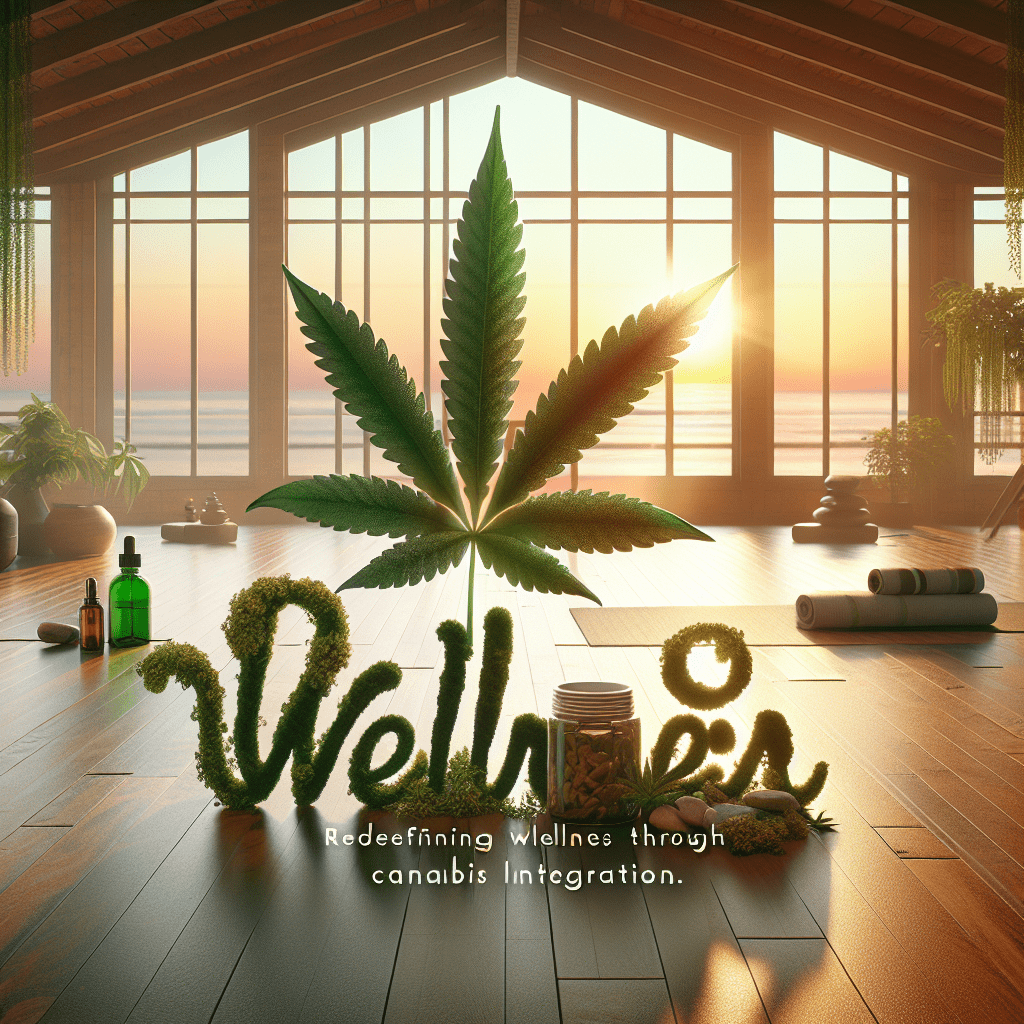
Redefining Wellness Through Cannabis Integration in the United States
In recent years, the landscape of wellness in the United States has undergone a significant transformation, with cannabis emerging as a pivotal component in holistic health practices. This shift reflects a broader societal change towards embracing alternative therapies and a more inclusive understanding of well-being. As cannabis becomes increasingly integrated into wellness routines, it is essential to explore the factors driving this trend, the diverse applications of cannabis in health, and the implications for the future of wellness in America.
The Evolution of Cannabis in Wellness
Historically, cannabis was often relegated to the fringes of medical and wellness discussions, primarily due to legal restrictions and societal stigma. However, the tide began to turn with the legalization of medical cannabis in several states, followed by the decriminalization and legalization of recreational use in others. By 2023, 24 states, along with Washington D.C., had legalized non-medical cannabis use, signaling a significant shift in public perception and policy. (en.wikipedia.org)
This legal progression has paved the way for a more open dialogue about cannabis’s potential benefits, particularly in the realm of wellness. Consumers are increasingly seeking natural alternatives to manage stress, anxiety, chronic pain, and sleep disorders. The growing acceptance of cannabis as a wellness tool is not only a reflection of changing laws but also a testament to evolving attitudes towards holistic health approaches.
Diverse Applications of Cannabis in Wellness
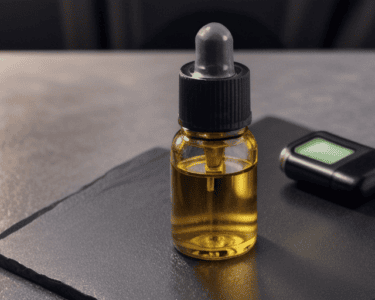
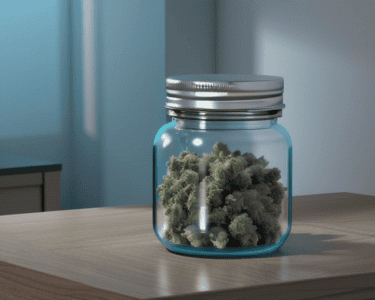
Cannabis’s versatility has led to its incorporation into various wellness products and practices. One notable trend is the rise of cannabis-infused edibles, beverages, and topicals. These products offer consumers a discreet and convenient way to experience the therapeutic effects of cannabinoids without the need for smoking. For instance, in 2023, Minnesota’s first THC restaurant, Hi Flora!, opened, offering patrons a novel dining experience that integrates cannabis into the culinary world. (en.wikipedia.org)
The beauty and personal care industry has also embraced cannabis, with brands developing skincare products infused with CBD and other cannabinoids. These products are marketed for their anti-inflammatory properties and potential to alleviate skin conditions. The expansion of cannabis into the beauty sector underscores its growing acceptance and the desire for natural, plant-based wellness solutions.
Moreover, the integration of cannabis into social settings is becoming more normalized. States like Nevada, California, Colorado, Michigan, Illinois, and New Jersey have implemented cannabis consumption lounges, providing spaces where individuals can legally and safely consume cannabis in a social environment. This development reflects a broader cultural shift towards accepting cannabis as a mainstream component of social and recreational activities. (cannabisbusinesstimes.com)
Consumer Demographics and Trends
The demographic profile of cannabis consumers has also evolved. Traditionally, cannabis use was associated with younger adults, but recent data indicates a significant increase in usage among older populations. In Washington state, the percentage of individuals aged 65 and older who reported using cannabis within the past 30 days rose from 0.7% in 2011 to 9.4% in 2021. Similarly, in Colorado, the percentage of residents aged 65 and older who used cannabis in the past month increased from 3% in 2014 to 8% in 2021. These trends suggest that older adults are increasingly turning to cannabis for medicinal purposes, such as alleviating arthritis symptoms or aiding sleep. (axios.com)
Additionally, young women have emerged as a significant consumer group in the cannabis market. For the first time, young women in the U.S. are consuming more cannabis than men, leading companies to revamp strategies and products to cater to this demographic. Retailers are focusing more on items popular with women, such as edibles, tinctures, topicals, and beverages. This shift is driven by the fact that women make over 80% of purchasing decisions in the U.S., and women aged 19 to 30 surpassed men in cannabis consumption in 2023. (reuters.com)
Regulatory and Research Developments
The evolving landscape of cannabis in wellness is also influenced by legislative and research advancements. In 2022, the Medical Marijuana and Cannabidiol Research Expansion Act was enacted, allowing for expanded research on cannabis and its components. This legislation aims to facilitate scientific studies on the medical benefits and safety of cannabis, providing a more robust evidence base for its use in wellness applications. (en.wikipedia.org)
Furthermore, the Veterans Cannabis Analysis, Research, and Effectiveness (CARE) Act, introduced in 2023, directs the Department of Veterans Affairs to conduct and support research on the efficacy and safety of medicinal cannabis for veterans. This initiative underscores the growing recognition of cannabis’s potential therapeutic benefits and its role in comprehensive wellness strategies. (en.wikipedia.org)
Implications for the Future of Wellness
The integration of cannabis into wellness practices signifies a paradigm shift towards more personalized and holistic health approaches. As research continues to uncover the therapeutic potential of cannabis, it is likely that its role in wellness will expand, offering new avenues for managing various health conditions. The normalization of cannabis use in social and recreational settings further reflects its acceptance as a mainstream component of American culture.
However, this integration also presents challenges, including the need for comprehensive education on safe usage, potential side effects, and legal considerations. As the market grows, it is essential for consumers to make informed decisions and for policymakers to establish regulations that ensure safety and efficacy.
Conclusion
The redefinition of wellness through cannabis integration in the United States represents a significant evolution in health and lifestyle practices. Driven by changing legal landscapes, evolving consumer demographics, and ongoing research, cannabis is increasingly recognized as a valuable tool in promoting holistic well-being. As this trend continues, it is crucial to balance enthusiasm with caution, ensuring that the integration of cannabis into wellness is both informed and responsible. The future of wellness in America may very well be intertwined with the continued exploration and acceptance of cannabis as a cornerstone of health and vitality.
[ad_2]