
 By
By [ad_1]
Secrets to Thriving Cannabis Plants in Greenhouse Environments in the United States
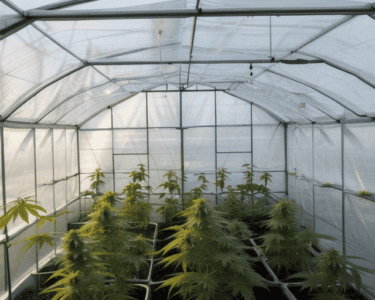
As the legal landscape for cannabis continues to evolve across the United States, many growers are turning to greenhouse cultivation as a viable option. With its unique advantages—such as control over the growing environment, energy efficiency, and the ability to harness natural sunlight—greenhouse growing presents a lucrative opportunity for both novice and experienced cultivators. In this article, we will explore the secrets to fostering healthy cannabis plants in greenhouse environments, diving into best practices, recent trends, and expert insights.
Understanding the Greenhouse Advantage
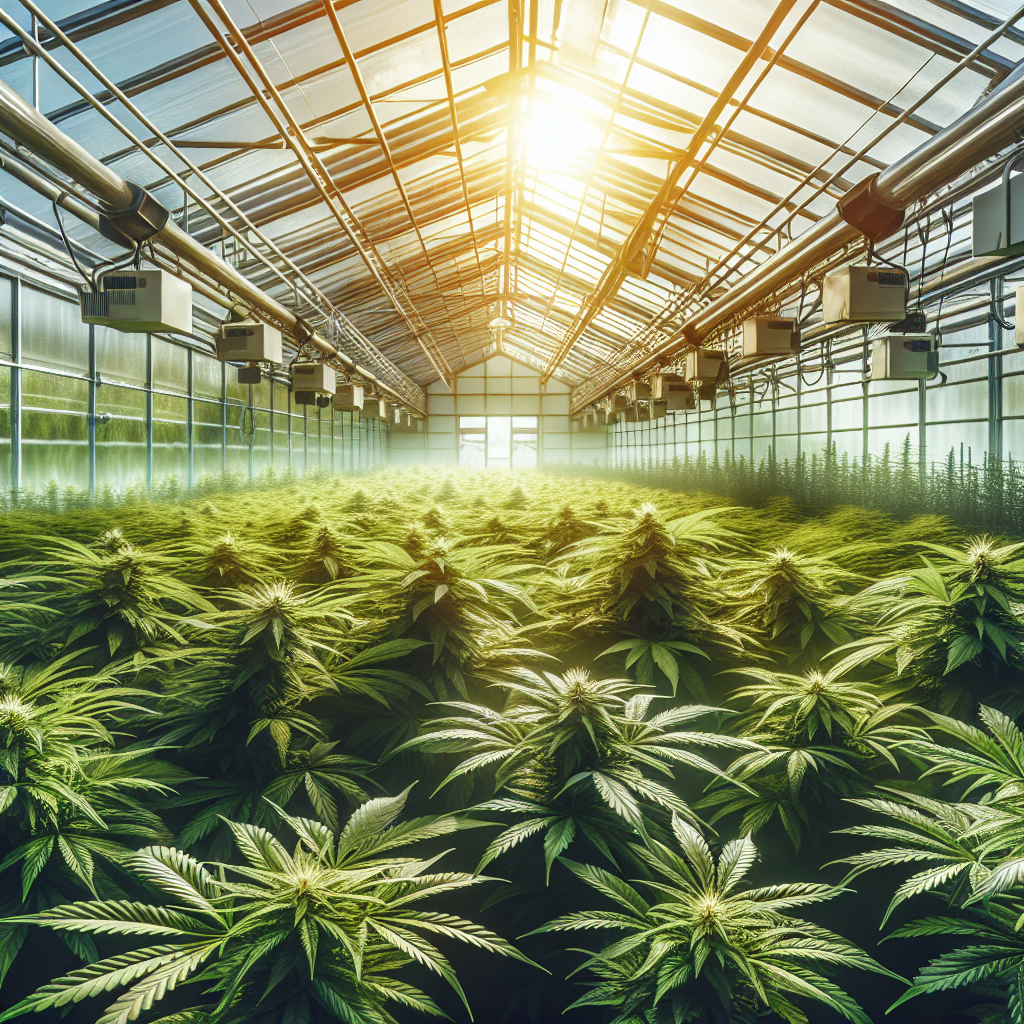
Greenhouse cultivation offers several distinct benefits over traditional outdoor or indoor settings. Primarily, greenhouses provide a controlled environment that balances natural sunlight with temperature regulation. This enables growers to extend their growing seasons, as they can manipulate temperature and humidity levels to suit the needs of their plants. Furthermore, the implementation of advanced technology—such as automated climate control systems and LED grow lights—has made it easier than ever to optimize the internal environment.
Recent data from the National Cannabis Industry Association (NCIA) indicates that greenhouse cannabis production has surged in popularity, especially in states like California, Oregon, and Colorado, where legal frameworks are more established. This shift is largely attributed to the dual benefits of sustainability and profitability, with greenhouse growers able to reduce energy costs while still achieving impressive yields.
Soil Health and Nutrient Management
One of the pivotal factors in cultivating thriving cannabis plants in a greenhouse is soil health. Healthy soil is teeming with beneficial microorganisms that aid in nutrient absorption and support robust growth. Growers should prioritize organic soil amendments such as compost, worm castings, and cover crops to enrich the soil ecosystem. These amendments not only boost nutrient levels but also enhance soil structure and water retention.
Recent trends emphasize the importance of tailored nutrient management. Unlike conventional fertilizers, which may lead to nutrient lockout or toxicity, advanced nutrient solutions are formulated specifically for cannabis. Many growers are now investing in nutrient management systems that provide precise dosages based on the plants’ growth stages. Utilizing technologies such as soil sensors can also inform irrigational strategies, ensuring that plants receive just the right amount of water without overwatering.
Climate Control and Environmental Monitoring
Achieving the ideal microclimate is integral to the success of cannabis cultivation in greenhouses. Temperature and humidity levels must be meticulously monitored, especially during flowering when plants are more susceptible to mold and mildew. A range of technologies—from remote climate control systems to data loggers—allow growers to actively monitor environmental conditions in real-time.
For optimal growth, daytime temperatures should ideally range between 75°F to 85°F (24°C to 29°C), while nighttime temperatures can be slightly lower. Humidity levels should be kept below 55% during flowering to reduce the risk of bud rot. In addition, active ventilation and airflow management can help mitigate heat buildup, ensuring plants receive adequate airflow to stimulate photosynthesis.
Pest Management and Biosecurity
Pest pressure is an ever-looming threat that can devastate any cannabis crop if not managed effectively. Integrated Pest Management (IPM) strategies are crucial for greenhouse growers, incorporating preventive measures, biological controls, and organic pesticides. Regular monitoring of plants for signs of pests or diseases can help in early detection, reducing the likelihood of a full-blown infestation.
The introduction of beneficial insects, such as ladybugs and predatory mites, can provide a natural solution to pest problems, while organic sprays can serve as a backup. Furthermore, biosecurity measures, such as restricting access to the greenhouse and using disinfectants, can minimize the risk of pathogens being introduced.
Embracing Innovations in Cultivation Technology
Modern cannabis cultivation is significantly influenced by technological advancements. Growers are increasingly using data analytics, artificial intelligence, and automation to enhance productivity and reduce labor costs. For instance, nutrient delivery systems that adjust nutrient mixes based on real-time plant data are becoming more common. Similarly, climate control systems integrated with smart technology can automatically adjust environmental conditions based on weather forecasts, ensuring optimal conditions at all times.
Recent trends indicate a growing interest in vertical farming within greenhouses, allowing for increased production in smaller footprints. This innovative approach not only maximizes space but also improves accessibility to controlled environments, making it easier to manage different strains with varying growth requirements.
Conclusion: Cultivating the Future of Cannabis
With the cannabis industry rapidly evolving, greenhouse cultivation stands out as a sustainable and effective method for growing high-quality cannabis. By focusing on soil health, climate control, pest management, and embracing technological innovations, growers can increase their chances of producing thriving plants and ultimately reaping bountiful harvests.
As cultivation techniques continue to advance, it’s crucial for growers to remain informed about industry best practices and emerging trends. The secrets to thriving cannabis plants in greenhouse environments not only contribute to sustainable practices but also to the broader acceptance and understanding of cannabis as a legitimate agricultural enterprise. Thus, with dedication and innovation, enthusiasts and professionals alike can contribute significantly to the cannabis movement while fostering a greener future. The journey of cultivation is not just about growing plants; it’s about cultivating a community and an industry that is here to stay.
[ad_2]