
 By
By Sustainability in the Cannabis Industry: Green Practices for a Growing Sector
 As the cannabis industry continues to expand, the environmental impact of its operations is coming under increased scrutiny. In 2024, sustainability has become a key focus for cannabis businesses looking to reduce their carbon footprint and adopt eco-friendly practices. This article explores the growing importance of sustainability in the cannabis industry, highlighting innovative approaches and the challenges that come with greening this rapidly evolving sector.
The Environmental Impact of Cannabis Cultivation
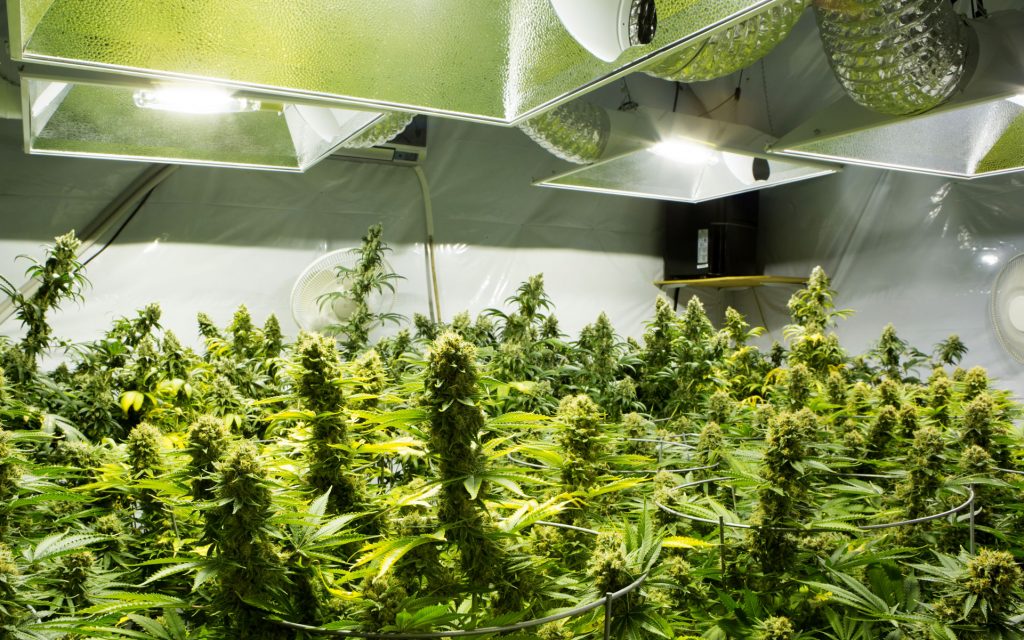
Cannabis cultivation, particularly indoor growing, can have a significant environmental impact. The energy demands of indoor facilities, which often require artificial lighting, climate control, and ventilation systems, contribute to high levels of electricity consumption. According to some estimates, the energy use of indoor cannabis cultivation in the U.S. is equivalent to that of 1.7 million homes, contributing to substantial carbon emissions.
Water usage is another critical issue. Cannabis plants require a considerable amount of water, and in areas prone to drought, this can strain local resources. Additionally, the use of chemical fertilizers and pesticides can lead to soil degradation and water pollution if not managed responsibly.
The rise of large-scale outdoor cultivation has brought new challenges as well. While outdoor growing generally has a lower energy footprint, it can lead to deforestation and habitat disruption, particularly in regions where cannabis is cultivated illegally.
Innovative Approaches to Sustainable Cannabis Cultivation
In response to these environmental concerns, many cannabis businesses are adopting innovative practices aimed at reducing their ecological impact.
Energy Efficiency and Renewable Energy
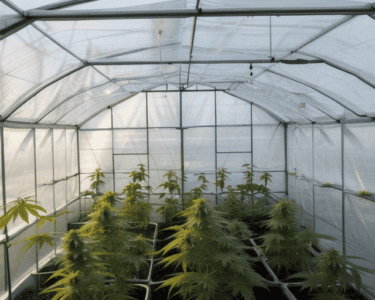
To address the high energy demands of indoor cultivation, some companies are turning to renewable energy sources such as solar, wind, and hydroelectric power. By integrating solar panels or wind turbines into their operations, these businesses can significantly reduce their reliance on grid electricity and lower their carbon emissions.
Energy efficiency is another area of focus. LED lighting, which consumes less power and generates less heat than traditional high-pressure sodium (HPS) lamps, is becoming increasingly popular in cannabis cultivation. Additionally, advanced climate control systems that optimize temperature and humidity can further reduce energy consumption.
Water Conservation and Management
Water conservation is critical for sustainable cannabis cultivation, especially in regions where water is scarce. Techniques such as drip irrigation, which delivers water directly to the roots of the plants, can reduce water usage by up to 60% compared to traditional methods.
Some growers are also implementing closed-loop water systems, where water is recycled and reused within the facility, minimizing waste. Rainwater harvesting is another sustainable practice gaining traction, allowing growers to capture and store rainwater for irrigation.
Organic and Regenerative Agriculture
The use of organic and regenerative farming practices is becoming more widespread in the cannabis industry. These methods focus on building healthy soil ecosystems and reducing reliance on chemical inputs. Organic cultivation avoids synthetic fertilizers and pesticides, instead using natural alternatives like compost, cover crops, and beneficial insects.
Regenerative agriculture goes a step further by actively restoring and enhancing the soil’s health. Techniques such as crop rotation, no-till farming, and the integration of livestock help to sequester carbon, improve soil fertility, and increase biodiversity. These practices not only benefit the environment but can also lead to higher-quality cannabis products.
Challenges and Barriers to Sustainability
While the move toward sustainability in the cannabis industry is encouraging, there are still significant challenges to overcome. One of the primary barriers is the cost associated with implementing green practices. Renewable energy systems, energy-efficient lighting, and advanced water management technologies require significant upfront investment, which may be prohibitive for smaller operators.
Regulatory constraints also pose a challenge. In some regions, strict regulations on cannabis production can limit the adoption of sustainable practices. For example, requirements for indoor cultivation in certain states may prevent growers from utilizing natural sunlight, leading to higher energy consumption.
Moreover, the lack of standardization and certification for sustainable cannabis products can make it difficult for consumers to identify and support environmentally responsible brands. Developing industry-wide standards and certifications for sustainability could help address this issue and encourage more businesses to adopt green practices.
The Future of Sustainable Cannabis
As the cannabis industry matures, sustainability will increasingly become a competitive advantage. Consumers are becoming more conscious of the environmental impact of their purchases, and businesses that prioritize sustainability are likely to attract a growing base of eco-minded customers.
Looking ahead, the integration of technology, innovative farming techniques, and supportive regulations will be key to advancing sustainability in the cannabis industry. By continuing to push for greener practices, the industry can reduce its environmental footprint and contribute to a more sustainable future for all.
In conclusion, sustainability in the cannabis industry is no longer a niche concern but a growing imperative. As more businesses adopt eco-friendly practices, the industry as a whole stands to benefit from a reduced environmental impact, cost savings, and a stronger connection with environmentally conscious consumers. The road ahead may be challenging, but the potential rewards for the planet and the industry are significant.