 By
By  The Growing Influence of Cannabis in the Wellness Industry
The wellness industry has seen a significant transformation over the past few years, with cannabis emerging as a powerful player in the market. As society continues to shift toward holistic health and natural remedies, cannabis is increasingly being integrated into various wellness practices. From CBD-infused products to cannabis-enhanced fitness routines, this article explores the growing influence of cannabis in the wellness industry and the trends driving its popularity in 2024.
The Rise of CBD and Hemp Products
One of the most significant ways cannabis has made its mark in the wellness industry is through the proliferation of CBD (cannabidiol) and hemp-based products. CBD, a non-psychoactive compound found in cannabis, has gained widespread popularity due to its potential therapeutic benefits. It is used to address a range of health concerns, including anxiety, chronic pain, inflammation, and sleep disorders.
Product Diversity and Innovation
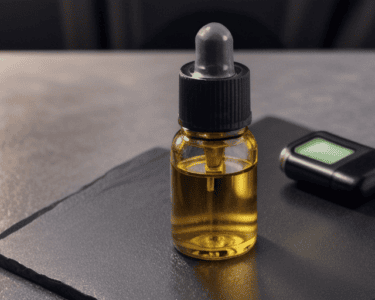
The CBD market has expanded rapidly, offering a wide array of products that cater to different consumer needs. These products include tinctures, capsules, gummies, and topical creams, each designed to deliver the potential benefits of CBD in various forms. Beyond traditional products, CBD has also found its way into the beauty and skincare industry, with brands offering CBD-infused serums, lotions, and even makeup.
This diversity in product offerings reflects the versatility of CBD and its appeal across different demographics. Consumers seeking natural remedies for stress, pain relief, or skin care can now find a CBD product tailored to their specific needs. The innovation within the CBD space is likely to continue, with new formulations and delivery methods being developed to enhance efficacy and user experience.
Regulatory Landscape and Consumer Trust
While CBD products are widely available, the regulatory landscape remains complex. The lack of uniform regulations has led to inconsistencies in product quality and labeling, which can erode consumer trust. In response, some companies are taking proactive steps to ensure transparency and quality, such as third-party lab testing and clear labeling of CBD content.
As the industry matures, we can expect increased regulatory oversight, which will help standardize the market and boost consumer confidence. Brands that prioritize quality and transparency will likely stand out in a crowded marketplace, gaining the trust and loyalty of wellness-focused consumers.
Cannabis and Fitness: Enhancing Performance and Recovery
Beyond CBD, cannabis is also making inroads into the fitness world. Athletes and fitness enthusiasts are increasingly turning to cannabis for its potential to enhance performance, aid in recovery, and promote overall well-being. While the psychoactive effects of THC (tetrahydrocannabinol) may not appeal to everyone, low-dose THC and CBD are being used by some to improve focus, reduce anxiety, and alleviate post-workout soreness.
Pre- and Post-Workout Applications
Cannabis is being incorporated into fitness routines in several ways. Some athletes use CBD or low-dose THC products as part of their pre-workout regimen to help with focus and reduce exercise-induced anxiety. These products may come in the form of edibles, tinctures, or even beverages, providing a subtle boost without the intoxicating effects of higher doses of THC.
Post-workout, cannabis can play a role in recovery. The anti-inflammatory properties of CBD, in particular, make it a popular choice for reducing muscle soreness and speeding up recovery times. Topical CBD creams and balms are commonly used to target specific areas of discomfort, offering localized relief without affecting the rest of the body.
Mind-Body Connection
Cannabis is also being embraced in practices that emphasize the mind-body connection, such as yoga and meditation. In these settings, cannabis is used to enhance relaxation and deepen the meditative experience. Some wellness centers even offer cannabis-infused yoga classes, where participants consume small amounts of cannabis before engaging in a flow that emphasizes mindfulness and presence.
The Role of Cannabis in Holistic Health
As cannabis becomes more integrated into the wellness industry, it is increasingly viewed as a tool for achieving holistic health. Holistic health is an approach that considers the whole person—body, mind, and spirit—when addressing health and well-being. Cannabis, with its wide range of potential benefits, aligns well with this approach.
Mental Health and Stress Management
Mental health is a significant component of holistic health, and cannabis is being explored as a natural option for managing stress, anxiety, and depression. While more research is needed to fully understand its effects, anecdotal evidence and preliminary studies suggest that both CBD and THC can have calming effects, helping individuals manage their mental health more effectively.
Personalized Wellness
The trend toward personalized wellness is also driving the adoption of cannabis in holistic health practices. Consumers are increasingly seeking customized solutions that address their unique health needs. Cannabis fits into this trend by offering a variety of compounds (cannabinoids) that can be tailored to specific health concerns. Whether it’s a CBD product for anxiety or a THC-infused edible for pain relief, cannabis provides options that can be personalized to individual wellness goals.
Challenges and Opportunities Ahead
While the integration of cannabis into the wellness industry presents exciting opportunities, it also comes with challenges. The lack of comprehensive research on cannabis’s long-term effects, particularly in the context of wellness, means that consumers and practitioners must navigate this space with caution. Moreover, the stigma associated with cannabis use, although diminishing, still exists in some circles, potentially limiting its acceptance.
Education and Research
To overcome these challenges, ongoing education and research are essential. As more studies are conducted, the scientific community will be better equipped to understand the full spectrum of cannabis’s effects and its potential role in wellness. Brands and practitioners that prioritize education and evidence-based practices will be well-positioned to lead in this emerging space.
Conclusion
The influence of cannabis in the wellness industry is undeniable, and its role is only set to grow as consumers continue to seek natural and holistic solutions for their health. From CBD-infused skincare to cannabis-enhanced fitness routines, the integration of cannabis into wellness practices offers new ways to achieve balance and well-being. As the industry evolves, those who embrace innovation, quality, and education will help shape the future of cannabis in the wellness world.