 By
By [ad_1]
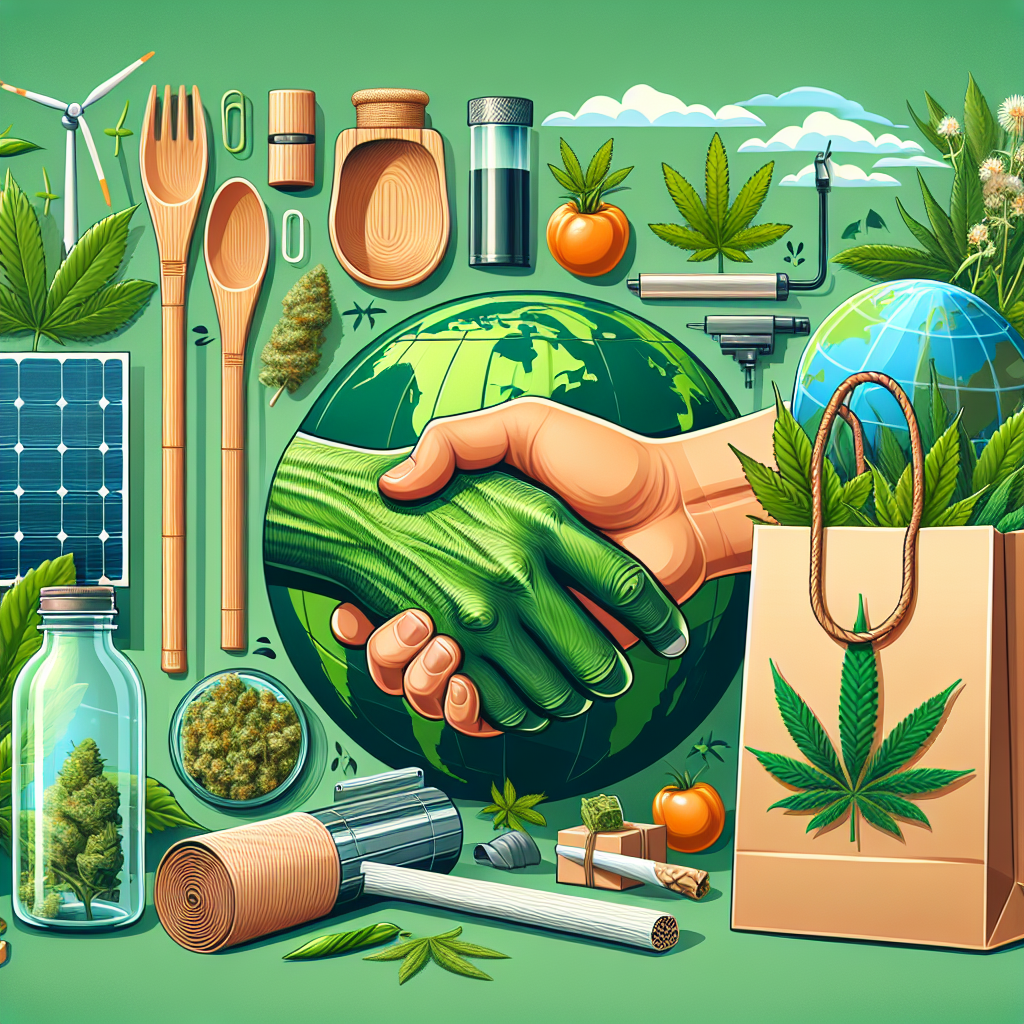
In recent years, the intersection of sustainable living and cannabis culture has been gaining momentum in the United States. As more states continue to legalize recreational and medicinal cannabis, a growing consciousness around ethical consumption and environmental responsibility has begun to shape both industries. Consumers today are increasingly aware of the impact their choices have on the planet, leading to a surprising alignment between eco-friendly initiatives and the burgeoning cannabis landscape. This article explores how sustainable living is coalescing with cannabis culture, emphasizing current trends, developments, and future implications.
The burgeoning popularity of cannabis, particularly after legalization in various states, has sparked vibrant conversations about sustainability. According to a report from New Frontier Data, the U.S. cannabis market is projected to reach an astounding $41.5 billion by 2025, a significant increase fueled by consumer demand and regulatory changes. However, with this growth also comes a responsibility to consider the environmental footprint of cannabis cultivation, distribution, and consumption. From energy-intensive indoor grows that heavily tax local utilities to the excessive use of water and pesticides, the traditional cannabis industry often mirrors the same sustainability challenges faced by mainstream agriculture.
Fortunately, many cannabis producers are now prioritizing eco-friendly practices. Organic farming methods are gaining traction as growers shift toward sustainable practices by utilizing natural fertilizers and pest control strategies. Notable companies like Patagonia Farm in California and Flow Kana in Northern California stand out in this regard, focusing on sustainability from seed to sale. These producers employ regenerative agriculture to restore soil health and minimize water usage, demonstrating that cannabis cultivation can be both financially viable and environmentally responsible.
The rise of sustainable packaging is another crucial aspect of this convergence between cannabis culture and eco-awareness. In a world grappling with the consequences of single-use plastics and packaging waste, cannabis companies are innovating to reduce their environmental impact. Brands such as Sava and Eco Cannabis are leading the charge with biodegradable or recyclable packaging options. This shift not only resonates with eco-conscious consumers but also encourages other industries to rethink their approaches to packaging, proving that a combined effort for sustainability is within reach.
Moreover, the sustainability narrative within cannabis culture is also being supported by legislation. Specifically, some states are enacting programs designed to promote environmentally friendly practices among cannabis businesses. In California, for example, the Bureau of Cannabis Control has implemented regulations that encourage the use of sustainable farming practices and certified organic products. Such frameworks endorse a broader conversation around responsible consumption and support businesses that align with the values of sustainability, promoting an ecosystem where ethical cannabis can flourish.
As consumer demand for sustainable practices in cannabis grows, so does their interest in transparency and ethical sourcing. Today’s cannabis consumers are becoming more informed, often seeking out products that not only meet their recreational or medicinal needs but also adhere to ethical standards. This shift drives companies to be more forthcoming about their cultivation practices, sourcing, and the environmental implications of their products. Brands that embrace this transparency frequently enjoy increased consumer loyalty and trust, creating a win-win for businesses and environmentally conscious consumers.
Another exciting aspect of this united front between sustainable living and cannabis culture is the burgeoning trend of community engagement. Many cannabis companies are fostering partnerships with local environmental organizations and participating in community service events aimed at bolstering ecological health. Initiatives such as community clean-ups, tree planting, and educational workshops on sustainable agriculture are becoming common practices among ethical cannabis brands. By actively engaging with the local communities where they operate, these businesses are sowing the seeds for a more sustainable future.
It’s also worth noting the role of social equity in the cannabis industry, an area where sustainable practices can lead to growth and inclusion. As cannabis legalization continues to spread, various social equity programs are being developed to provide opportunities for communities disproportionately affected by the War on Drugs. By focusing on sustainable business practices, these programs can promote not only environmental responsibility but also social justice, bridging gaps that have historically marginalized specific communities.
As we look ahead, the merging of sustainable living with cannabis culture presents a remarkable opportunity for both industries. The push for eco-friendly practices reflects a broader societal movement towards responsible consumerism that extends beyond cannabis itself. As more consumers prioritize sustainability in their purchasing decisions, we can expect to see a rise in innovative practices and technologies that make cannabis production even more eco-conscious. Sustainable cannabis may become a benchmark, inspiring similar trends in other sectors and reinforcing the notion that products can be both enjoyable and responsible.
In conclusion, the intersection of sustainable living and cannabis culture offers a compelling vision for the future. As consumers and producers increasingly prioritize ecological responsibility, the cannabis industry has the potential to become a leader in sustainability while dismantling the stigma often associated with its use. The union of these two progressive movements invites us to reflect on our consumption habits, urging us to advocate for greener practices across all aspects of our lives. As we embrace the possibilities of a sustainable cannabis culture, we also plant the seeds for a more conscious society—a legacy that future generations may come to thank us for.
[ad_2]