 By
By [ad_1]
As cannabis cultivation becomes increasingly mainstream across the United States, many budding growers are keen to dip their toes into this rewarding endeavor. Whether viewed through the lens of medicinal benefits or merely as a horticultural challenge, understanding the basics of cannabis cultivation is essential. Amidst evolving regulations, diverse strains, and varying cultivation methods, this guide serves to equip beginners with the necessary knowledge to cultivate cannabis successfully.
Understanding the Legal Landscape
Before embarking on the journey of cannabis cultivation, it’s crucial to understand the legal framework. As of now, 21 states and the District of Columbia have legalized recreational cannabis, while many others have endorsed medicinal use. This often means specific regulations about how many plants can be grown, where they cannot, and what licenses, if any, are required. For example, in states like California and Oregon, individuals may cultivate up to six plants for personal use; however, local laws can impose further restrictions. Always check state and local regulations to ensure compliance, as ignorance may lead to penalties or loss of your crop.
Selecting the Right Strain
Choosing the right strain is more than just personal preference; it plays a pivotal role in the cultivation process. Cannabis strains are generally classified into three categories: Indica, Sativa, and hybrids. Indicas tend to be relaxing and are often preferred for evening use, while Sativas provide stimulating effects, making them ideal for daytime. Hybrids, combining traits from both, offer versatility. Moreover, consider growing conditions and climate. Some strains thrive in warmer, sunnier conditions, while others may be resistant to colder temperatures. Research strains suited to your geographic area, as they’ll likely be easier to cultivate and yield better results.
The Growing Environment
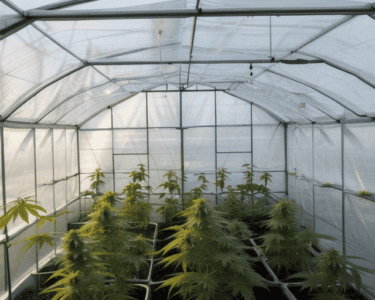
Deciding between indoor or outdoor cultivation sets the stage for your growing journey. Indoor growing provides controlled environments, allowing for year-round cultivation regardless of climate. This method allows growers to regulate light, temperature, and humidity, which can lead to higher quality yields. However, indoor setups require investment in equipment such as grow lights, fans, and hydration systems.
On the other hand, outdoor growing can leverage sunlight and nature, reducing overhead costs significantly. Yet, outdoor cultivation presents challenges like pests, erratic weather, and determining the legal limits of plant counts. Therefore, understanding your local climate and the strains you’ve selected becomes crucial. Moreover, creating a healthy growing environment with balanced soil nutrients, adequate water, and proper pot size will enhance your plants’ growth potential.
Essential Cultivation Techniques
Once you’ve set up your growing environment, mastering cultivation techniques becomes paramount. Techniques include training methods like Low Stress Training (LST), which encourages plants to grow horizontally, maximizing light exposure and nutrient absorption. Additionally, understanding watering needs is essential. Overwatering can suffocate roots, while underwatering can inhibit growth. Investing in a moisture meter can minimize guesswork.
Nutrient management also plays a crucial role in cannabis cultivation. Plants require specific macronutrients like nitrogen, phosphorus, and potassium, supplemented with micronutrients for optimal health. Many beginner-friendly nutrient solutions are available commercially, but you may also explore organic alternatives. Utilizing compost or specialized fertilizers can yield excellent results while being environmentally friendly.
Pest and Disease Management
Like any plant, cannabis is vulnerable to pests and diseases. Spider mites, aphids, and mold can wreak havoc on your crop. Integrated Pest Management (IPM) combines biological, cultural, and chemical practices for effective control. Regular inspections for signs of distress and maintaining cleanliness in your growing area can help identify and mitigate pests early. When necessary, organic pesticides can be employed, but it’s crucial to ensure products are permissible under local regulations, especially if you plan on consuming or selling your crop.
Harvesting and Curing
The culmination of your cultivation efforts occurs during the harvesting stage. Recognizing when to harvest is vital—typically determined by the trichomes (tiny structures on the buds) turning from clear to milky white. Trichome color provides insight into the plant’s potency and effects. After careful harvesting, buds should be dried in a controlled environment to avoid mold and maintain flavor.
Curing is the final step that enhances the flavor and smoothness of your cannabis. This process involves storing dried buds in airtight containers, periodically “burping” them to release moisture. This stage can last several weeks and significantly improves the final product, yielding a smoother experience for users.
Conclusion: The Future of Cannabis Cultivation
Cultivating cannabis can be a transformative experience, offering not just personal satisfaction but also a glimpse into a burgeoning industry that is rapidly evolving. As legal frameworks shift and consumer demands diversify, growers can play an influential role in shaping this ecosystem. Not only does successful cultivation require understanding and adherence to regulations, knowledge about strains, and techniques, but it also encourages a deep appreciation for the plants themselves.
As more beginners step into this arena, staying informed about trends—like growing sustainably or the rise of autoflowering strains—will be key. The world of cannabis cultivation is filled with unique challenges and rewards, and as it unfolds, cultivating your own cannabis may become not just a hobby, but part of a larger movement toward responsible consumption and environmental consciousness. Reflect on how this journey not only enriches your life but could redefine perceptions of cannabis in society as a whole.
[ad_2]