
 By
By [ad_1]
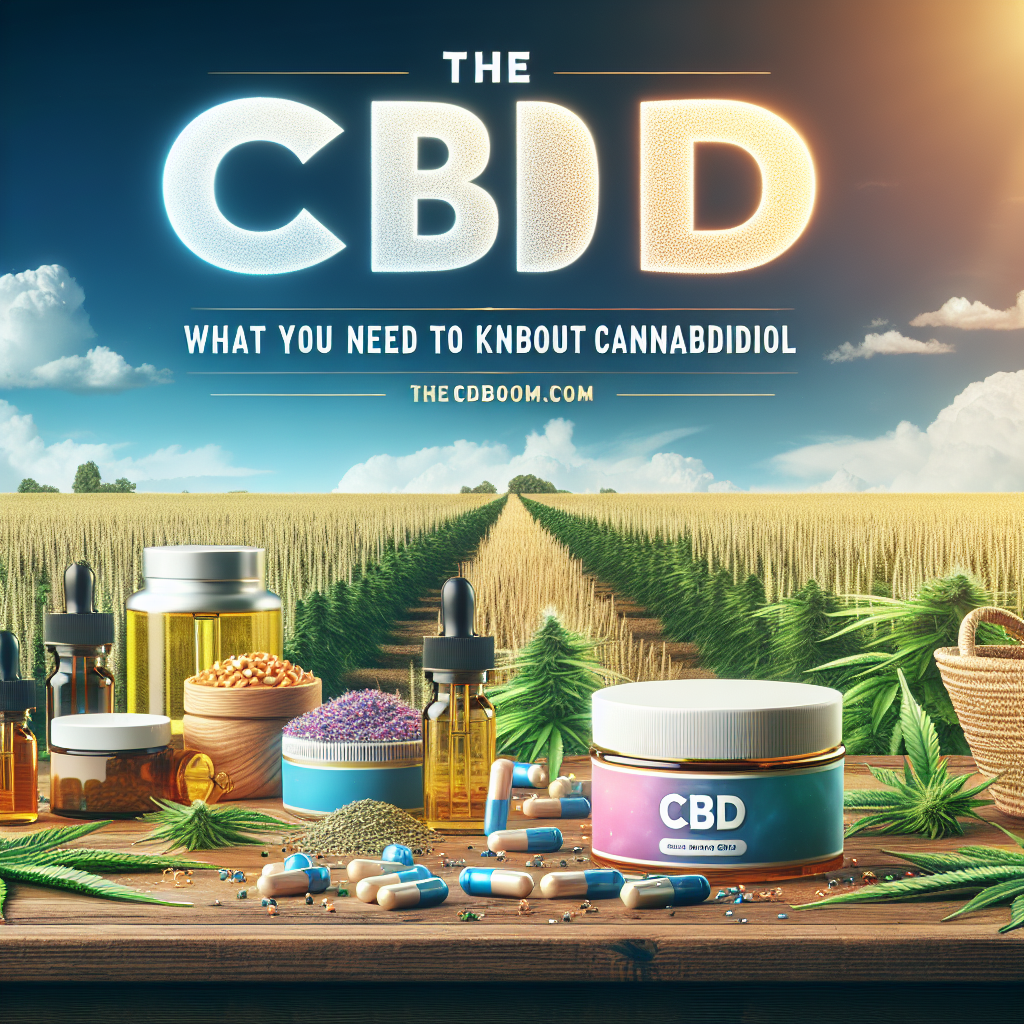
The CBD Boom: What You Need to Know About Cannabidiol in the United States
In recent years, cannabidiol (CBD) has surged in popularity across the United States, emerging as a prominent component in wellness and consumer products. Derived from the hemp plant, CBD is celebrated for its potential therapeutic benefits without the psychoactive effects associated with its cousin, THC. This article delves into the current state of the CBD market, examining its growth, regulatory landscape, consumer trends, and future prospects.
The Rise of CBD: A Market in Expansion
The CBD market in the United States has experienced remarkable growth, with revenues reaching approximately $5.8 billion in 2023 and projected to escalate to $14.8 billion by 2030, reflecting a compound annual growth rate (CAGR) of 14.2% (grandviewresearch.com). This expansion is driven by increasing consumer interest in natural wellness products and the broader acceptance of hemp-derived compounds.
A significant contributor to this growth is the burgeoning CBD skincare sector. In 2023, the global CBD skincare market was valued at $3.3 billion, with expectations to soar to $32.9 billion by 2033, indicating a robust CAGR of 25.7% (globenewswire.com). Consumers are drawn to CBD-infused skincare products for their purported anti-inflammatory and antioxidant properties, which are believed to alleviate conditions such as acne and eczema.
Regulatory Landscape: Navigating Uncertainty
Despite the rapid market growth, the regulatory environment for CBD products remains complex and evolving. In January 2023, the U.S. Food and Drug Administration (FDA) announced it would not regulate CBD products as foods or supplements due to insufficient evidence of their safety, urging Congress to establish new regulations (axios.com). This decision has left a regulatory void, prompting both federal and state authorities to intensify their oversight.
In July 2025, federal and state crackdowns on intoxicating hemp-derived cannabinoids, such as Delta-8 and Delta-10 THC, have escalated. These compounds, which gained popularity due to perceived legal loopholes, have raised safety concerns and led to increased regulatory scrutiny (reuters.com).
Consumer Trends: Diversification and Education
Consumer preferences in the CBD market are diversifying. Beyond traditional tinctures and oils, there is a growing demand for CBD-infused beverages, pet products, and wellness items. In 2023, CBD beverage sales experienced a 36.5% increase, with expectations for continued growth in 2024 (lightspeedhq.com). Additionally, the pet CBD market is expanding, with revenues of $89.8 million in 2023 and projections to reach $576.9 million by 2030, indicating a CAGR of 30.4% (grandviewresearch.com).
As the market grows, consumer education has become paramount. A 2023 survey found that 35% of respondents remain unsure about the benefits of CBD, highlighting the need for transparent information and responsible marketing practices (verifiedmarketresearch.com). Brands are increasingly investing in educational campaigns to build trust and inform consumers about product efficacy and safety.
Future Outlook: Challenges and Opportunities
Looking ahead, the CBD industry faces several challenges, including regulatory uncertainty, quality control issues, and market saturation. The lack of clear, consistent regulations across regions complicates product development and consumer access (news.market.us). Additionally, the market’s rapid expansion has led to increased competition, making it essential for companies to innovate and differentiate their offerings.
However, these challenges also present opportunities. The growing interest in personalized CBD products, driven by advancements in AI and data analytics, allows companies to cater to individual consumer needs (getquantic.com). Furthermore, the emphasis on sustainability and eco-friendly practices aligns with consumer values, offering a competitive edge to brands that prioritize environmental responsibility.
Conclusion: A Dynamic and Evolving Industry
The CBD industry in the United States is a dynamic and rapidly evolving sector, characterized by significant growth, regulatory challenges, and shifting consumer preferences. As the market continues to mature, stakeholders must navigate the complexities of regulation, prioritize consumer education, and adapt to emerging trends to ensure sustained success. The future of CBD holds promise, but it will require a collaborative effort to address challenges and harness opportunities in this burgeoning market.
Recent Developments in the CBD Industry:
- The battle over buzz: Federal and state crackdowns on intoxicating hemp products escalate
- Congress Accidentally Legalized Weed Six Years Ago
- More people are using CBD products. There’s still little research on the benefits and risks
[ad_2]