 By
By [ad_1]
As the legal landscape surrounding cannabis evolves in the United States, cultivators are increasingly looking to nature to optimize their growing practices. With significant shifts in regulations, agricultural techniques, and public perceptions, the pathway to a successful cannabis crop lies in understanding and harnessing natural processes. In this article, we will explore innovative cultivation techniques, environmental considerations, and current trends in the cannabis industry, highlighting how growers can leverage nature to achieve fruitful yields.
Understanding the Legal Landscape
The first step in cultivating cannabis successfully is to navigate the complex legal framework that varies from state to state. As of 2023, over half of U.S. states have legalized cannabis for recreational or medicinal use, creating a diverse market ripe for cultivation. Each state has its regulations, making it crucial for growers to familiarize themselves with local laws governing licensing, cultivation limits, and testing requirements. By staying informed about these regulations, growers can avoid costly mistakes and tailor their cultivation methods to meet state-specific standards. For instance, states like California and Colorado have established specific guidelines for organic certifications, encouraging growers to adopt more sustainable practices.
Embracing Sustainable Cultivation Practices
As the cannabis industry matures, there is an increasing demand for sustainable cultivation practices. Many growers are turning to organic farming techniques, which minimize environmental impact while maximizing plant health. Utilizing natural fertilizers, such as compost or worm castings, can enrich soil health without introducing harmful chemicals. This is crucial as consumers are becoming more discerning about the products they choose, with many preferring organic and sustainably grown cannabis.
Furthermore, the use of companion planting can enhance biodiversity and deter pests while promoting healthier crops. For example, planting herbs like basil or marigold alongside cannabis plants can naturally repel pests and attract beneficial insects. Techniques like crop rotation and polyculture can also cultivate a more resilient ecosystem, reducing the need for chemical interventions.
Harnessing Technology to Enhance Growth
While natural methods are crucial, innovative technology is also playing a significant role in successful cannabis cultivation. One trend gaining traction is the integration of smart agriculture technologies, such as sensor-driven irrigation systems and climate control, which help optimize growing conditions. These systems can monitor soil moisture, temperature, and humidity, allowing growers to make real-time adjustments.
Moreover, advancements in genetic science give cultivators the ability to create strains specifically bred for particular climates or growth conditions. High-THC or high-CBD varieties can be developed to suit specific consumer preferences or therapeutic needs, enhancing market appeal.
Implementing Climate-Responsive Strategies
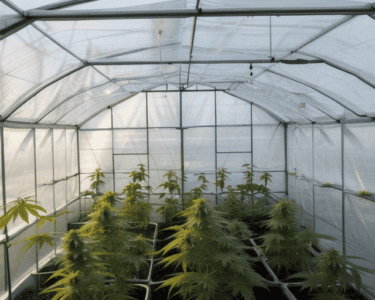
Environmental factors play an integral role in cannabis cultivation. Understanding local climate conditions can significantly influence crop yield and quality. For instance, cultivators in regions with ample sunlight can benefit from outdoor growing, taking advantage of natural light to enhance photosynthesis. Conversely, in areas with inconsistent weather patterns, using greenhouses can provide a controlled environment, protecting plants from temperature swings and precipitation.
Some growers are even seeking to adopt regenerative agriculture practices, which focus on improving soil health and biodiversity. These approaches not only benefit the crop but also contribute to environmental restoration. For example, planting cover crops in the off-season can help retain moisture, improve soil structure, and reduce erosion, ultimately resulting in healthier cannabis plants.
Staying Informed on Current Events and Trends
As the cannabis industry rapidly evolves, staying updated on trends and challenges is key for cultivators. Recently, a surge in interest surrounding hemp-derived cannabinoids, such as Delta-8 and CBD, has prompted growers to diversify their offerings. This trend has widened the market for both cultivators and consumers, providing opportunities for innovative product development.
Additionally, ongoing research into the benefits of cannabis has shed light on its medicinal properties, further bolstering consumer interest. Studies involving cannabinoids in treating various ailments are gaining traction and could lead to increased acceptance and legalization efforts on a federal level.
However, the industry also faces challenges, including regulatory hurdles, fluctuating market prices, and competition from unregulated markets. Growers that adapt quickly and leverage both natural and technological practices will be better positioned to thrive in this complex landscape.
Conclusion: The Future of Cannabis Cultivation
The cultivation of cannabis in the United States represents not only a burgeoning market but also a unique opportunity to promote sustainability and environmental stewardship. By harnessing nature, adopting organic practices, and integrating technology, growers have the potential to cultivate high-quality cannabis while contributing positively to the environment.
As the industry continues to mature, the message is clear: successful cultivation goes beyond the plant itself. It encompasses legal understanding, environmental considerations, and community engagement. As we look to the future, the cultivation of cannabis could serve as a model for sustainable agriculture, creating a lasting impact not just on the industry, but on the ecological health and economic prosperity of communities across the nation. Growers must reflect on their practices today, as the choices they make today will shape the future of cannabis cultivation for generations to come.
[ad_2]