 By
By Mastering the Microclimate for Peak Potency
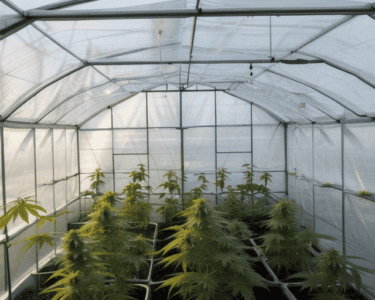
The modern cannabis cultivator knows that success is rarely about luck and almost always about control. Whether you are tending to a single plant in a spare closet or managing a high-density commercial facility, the ability to manipulate the environment is the single most critical factor in determining yield and quality. Recent advancements in indoor cultivation technology have shifted the paradigm from simple survival to precision optimization. The goal is no longer just to keep the plant alive but to create an artificial ecosystem that mimics the perfect conditions of nature, stripped of the unpredictability of weather, pests, and seasonal changes.
At the heart of this control is the concept of the microclimate. This refers to the specific environmental conditions immediately surrounding the plant canopy. While room-level climate control is essential, the air temperature, humidity, and airflow directly at the leaf level can vary significantly. Understanding and managing this microclimate allows growers to influence transpiration rates, nutrient uptake, and ultimately, the production of cannabinoids and terpenes. The difference between a mediocre harvest and a prize-winning crop often lies in the meticulous management of these invisible variables.
Illuminating Growth with Precision Lighting
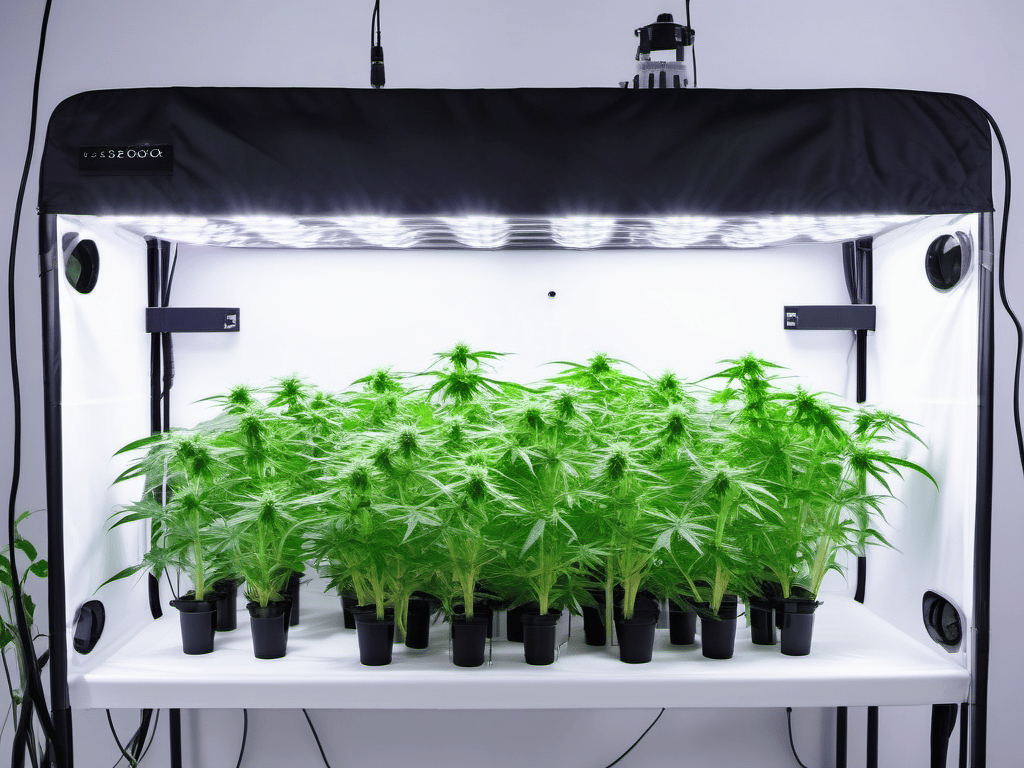
Light is the engine of photosynthesis, and the evolution of lighting technology has revolutionized indoor growing. The days of inefficient high-pressure sodium (HPS) lamps generating excessive heat are largely behind us, replaced by sophisticated LED arrays that offer full-spectrum coverage with minimal energy waste. Modern LED systems allow cultivators to tune their light recipes, adjusting the ratio of blue, red, and far-red light to influence plant morphology and flowering times.
For vegetative growth, a higher proportion of blue light encourages compact, bushy plants with shorter internodal spacing, which is ideal for training techniques like topping and low-stress training. As the plant transitions into the flowering stage, shifting the spectrum toward red wavelengths promotes bud development and stretching. Furthermore, the introduction of dynamic lighting cycles, where intensity and spectrum change throughout the day, can mimic natural sun movements, reducing plant stress and improving overall vigor. It is crucial to monitor light intensity using a PAR meter to ensure plants receive the appropriate photosynthetically active radiation without suffering from light burn or photoinhibition.
Environmental Controls and VPD Management
Vapor Pressure Deficit (VPD) is perhaps the most misunderstood yet powerful tool in a grower’s arsenal. VPD measures the difference between the amount of moisture in the air and the amount of moisture the air can hold when saturated. It essentially dictates how easily water evaporates from the leaf surface. If the VPD is too low, the air is too saturated, and transpiration slows down, stunting nutrient uptake. If the VPD is too high, the plant loses water faster than its roots can replace it, leading to stress and potential shutdown of metabolic processes.
Maintaining the optimal VPD range requires a delicate balance of temperature and relative humidity. During the seedling and cloning stages, higher humidity and lower temperatures are preferred to prevent desiccation. As the plant matures into the flowering stage, lower humidity and slightly higher temperatures become necessary to prevent mold and mildew while maximizing resin production. Smart environmental controllers can automate these adjustments, using sensors to monitor conditions in real-time and activating dehumidifiers, humidifiers, or exhaust fans to maintain the setpoint. This level of automation ensures consistency, which is vital for commercial operations where uniformity is expected.
Nutrient Strategies for Healthy Canopies
Feeding cannabis plants is both a science and an art. While the basic macro nutrients of nitrogen, phosphorus, and potassium (NPK) are foundational, the role of secondary nutrients and micronutrients cannot be overstated. Calcium and magnesium, for instance, are critical for cell wall structure and chlorophyll production. A deficiency in these elements can lead to weak stems and yellowing leaves, severely impacting yield.
Modern cultivation practices emphasize the importance of pH balance and electrical conductivity (EC) or parts per million (PPM) readings. The pH of the nutrient solution determines the availability of nutrients to the plant. In soil, a pH range of 6.0 to 7.0 is generally ideal, while in hydroponic systems, a slightly more acidic range of 5.5 to 6.5 is preferred. Regular testing and adjustment of pH ensure that the plant can absorb what it needs. Similarly, monitoring EC levels helps prevent nutrient burn, which occurs when the salt concentration in the root zone is too high, and nutrient deficiency, which happens when it is too low. Flush cycles during the late flowering stage are also recommended to remove excess salts and improve the flavor profile of the final product.
Pest Prevention and Integrated Management
In an indoor environment, pests can spread rapidly and devastate a crop if left unchecked. Integrated Pest Management (IPM) is a proactive approach that combines biological, cultural, physical, and chemical tools to manage pest populations. Prevention is always better than cure. This starts with maintaining a clean grow space, using sticky traps to monitor for flying insects like fungus gnats and whiteflies, and inspecting plants regularly for early signs of infestation.
When pests do appear, biological controls such as predatory mites, ladybugs, and nematodes can be introduced to eat the pests. These beneficial organisms provide a sustainable solution that does not leave harmful residues on the plants.