

 By
By [ad_1]
The Future of Cannabis Farming: Why Greenhouses Are Here to Stay
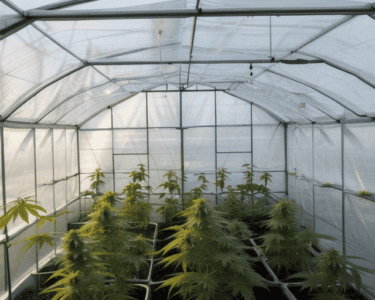
The cannabis industry has witnessed a significant transformation over the past decade, evolving from a largely clandestine operation to a multi-billion dollar legal market. As the demand for high-quality cannabis continues to surge, forward-thinking cultivators are leaning towards greenhouse farming as a sustainable and efficient solution. This method not only meets the growing consumer demand but also addresses environmental challenges through innovative growing practices. Here, we discuss why greenhouses will remain integral to the future of cannabis farming.
The Advantages of Greenhouse Cultivation
-
Optimized Growing Conditions: Greenhouses provide a controlled environment that optimizes light, temperature, humidity, and airflow. They allow cultivators to mimic ideal outdoor conditions while protecting plants from harsh weather elements, pests, and diseases. This control leads to healthier plants and higher yields.
-
Sustainability: In an era of increasing environmental responsibility, greenhouse farming is more sustainable compared to traditional indoor or outdoor growing. Greenhouses utilize natural sunlight, reducing reliance on artificial lighting and lowering energy costs. Advanced greenhouse technologies can also capture and utilize rainwater for irrigation, further conserving water.
-
Enhanced Pest Management: The controlled environment of a greenhouse allows for efficient pest and disease management. Integrated Pest Management (IPM) techniques can be easily implemented, reducing the need for synthetic pesticides. Furthermore, beneficial insects can be introduced, promoting a natural balance and contributing to organic product offerings.
-
Year-Round Production: Greenhouses facilitate year-round cannabis production, regardless of external climate conditions. By employing supplemental lighting when necessary, growers can maintain optimal growth conditions, ensuring consistent supply and improving market competitiveness.
-
Scalability: Greenhouses offer flexibility in scaling operations. Growers can easily expand their facilities as demand increases without undergoing the extensive permitting and infrastructural challenges that larger indoor operations typically face. This scalability is essential for meeting the rapid growth of cannabis markets across various states and countries.
- Reduced Operating Costs: Compared to indoor facilities, which require high electricity for lighting and climate control, greenhouses reduce operational costs significantly. They allow for passive heating and cooling, leading to lower overall energy consumption and wallet-friendly cultivation.
Technological Innovations Driving Greenhouse Farming
The future of cannabis farming in greenhouses is bolstered by innovations that enhance productivity and efficiency:
-
Automated Systems: The integration of IoT (Internet of Things) technology in greenhouses allows for remote monitoring and automated control of climate variables, lighting schedules, and irrigation systems. Sensors monitor environmental conditions, ensuring that plants receive exactly what they need for optimal growth.
-
Hydroponics and Aquaponics: These soilless growing methods can be effectively implemented in greenhouses, allowing for efficient use of space and resources. Hydroponics uses nutrient-rich water to grow plants, while aquaponics combines aquaculture with hydroponics to create a symbiotic environment. Both methods yield faster growth and higher outputs.
-
LED Lighting: Advances in LED technology enable growers to customize light spectrums to support different growth stages of cannabis. Combining natural sunlight with tailored artificial lighting can significantly enhance plant development and yield.
- Climate Control: Innovations in greenhouse materials and designs optimally regulate temperature and humidity. Two-layer plastic coverings, thermal curtains, and exhaust systems help manage the environment to maximize plant health while minimizing energy consumption.
The Regulatory Landscape and Market Growth
As more jurisdictions legalize cannabis for medicinal and recreational use, the market is expected to continue expanding. Greenhouse cultivation aligns with regulatory demands focused on traceability and quality control. Many states require licensed cultivators to adhere to strict guidelines regarding the production process, and greenhouse operations often have more rigorous quality assurance systems in place to meet these requirements.
In terms of market growth, projections indicate that the global legal cannabis market could surpass $70 billion by 2028. The move toward sustainable practices will further bolster this growth as consumers increasingly gravitate toward environmentally friendly products.
Conclusion
Greenhouse cannabis farming holds immense potential for the future landscape of the industry. With its focus on sustainability, efficiency, and innovative technology, greenhouse cultivation not only promises to meet consumer demands but also aligns with broader environmental goals. As cultivators, researchers, and entrepreneurs continue to refine practices, greenhouses are set to be a cornerstone of cannabis farming strategies for years to come.
FAQs
1. Are greenhouses the most efficient way to grow cannabis?
Yes, greenhouses provide a controlled environment that maximizes plant health and yield while minimizing resource use compared to traditional indoor or outdoor growing methods.
2. How do greenhouses contribute to sustainability?
Greenhouses utilize natural sunlight, employ water conservation techniques, and reduce energy consumption, making them a more environmentally friendly option for cannabis cultivation.
3. What technology is essential for modern greenhouse cannabis farming?
Key technologies include automated climate control systems, IoT sensors, LED lighting, and hydroponic/aquaponic systems, all of which enhance productivity and efficiency.
4. Can greenhouses operate year-round in all climates?
Yes, greenhouses can be equipped with heating, cooling, and lighting systems that allow for year-round cultivation regardless of external weather conditions.
5. How does greenhouse farming affect product quality?
With the ability to control environmental variables, greenhouse farming typically results in higher-quality cannabis plants with better flavor, aroma, and potency compared to those grown outdoors.
[ad_2]