

 By
By [ad_1]
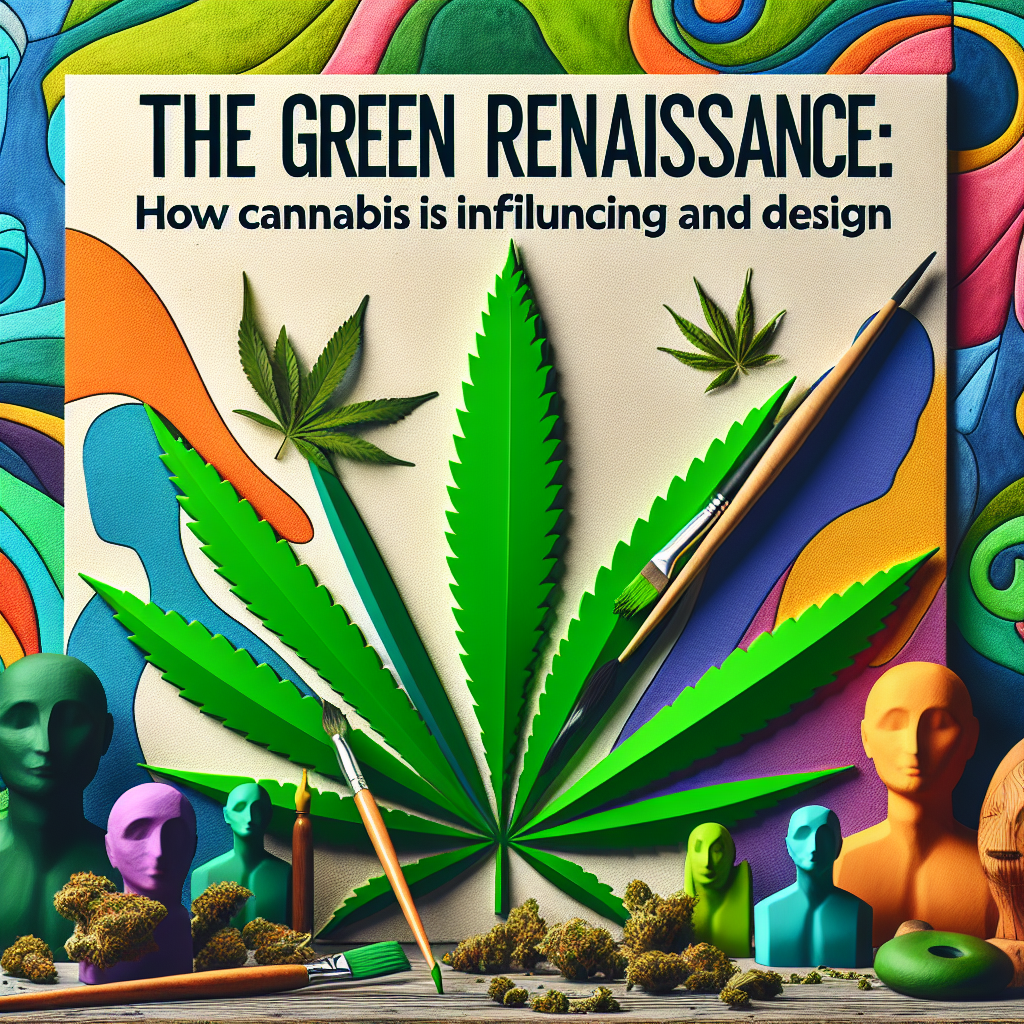
The resurgence of interest in cannabis over recent years has catalyzed what may be described as a “Green Renaissance” across various creative landscapes. As more regions around the globe adopt more lenient stances on cannabis use, artists and designers are beginning to draw inspiration from this versatile plant, thus reshaping cultural narratives and aesthetic expressions. This article explores the intricate relationship between cannabis culture and the realms of art and design, showcasing how they flourish together and pave the way for innovative cultural dialogues.
Cannabis in Contemporary Art
Artists today are increasingly using cannabis as a medium to explore various themes, including personal freedom, the natural world, and societal norms. In galleries and exhibitions, cannabis-themed art is not just a statement; it represents a cultural phenomenon, reflecting the societal shifts regarding acceptance and de-stigmatization of cannabis.
One notable example is the rise of cannabis-infused art, which combines traditional artistic methods with actual cannabis plant materials. Many artists are creating pieces that incorporate hemp textiles, cannabis oil paintings, or even pieces that are coated with cannabinoids, effectively merging art with the sensory experiences of cannabis consumption. For example, the artist known as “CannaBrush” uses cannabis-infused paint to create unique, textured artworks that explore the relationship between art, nature, and personal experience.
Designing with Cannabis Culture
Beyond the canvas, cannabis influences product design as brands look to tap into the growing cannabis market. Packaging design, in particular, has seen a profound transformation, with companies aiming to create aesthetically pleasing and informative materials. Modern cannabis packaging must not only comply with regulatory requirements but also capture the imagination of potential consumers.
Designers are now utilizing eco-friendly materials, vibrant colors, and unique typography to create packaging that stands out. Companies like “Leif Goods” are leading the way, producing sustainably designed products that harmonize with the eco-conscious values of cannabis consumers. The design not only serves a practical purpose but also tells a story, engaging consumers at multiple levels.
The Role of Cannabis in Design Trends
The design world has also seen inspiration drawn directly from cannabis culture. The aesthetic often associated with the cannabis scene—think vibrant greens, earthy tones, and natural motifs—has started permeating various design disciplines. Products ranging from furniture to fashion now frequently feature botanical prints and designs inspired by the cannabis plant itself.
Moreover, the psychedelic art movement, which experiences a revival rooted in cannabis culture, heavily influences graphic design, frequently using bright colors and bold patterns. Led by artists like Peter Max, this style connects the psychedelic experiences of the 1960s with modern design, fostering a vibrant cultural synthesis that appeals to a new generation.
Social Commentary Through Cannabis Art
Beyond aesthetics, cannabis art often serves as a powerful form of social commentary. Artists leverage their platforms to challenge the stereotypes, injustices, and misunderstandings surrounding cannabis use and its cultural significance. For instance, many contemporary artists are addressing issues such as the racial disparities in cannabis law enforcement and advocating for legalization and social justice.
Exhibitions such as “Cannabis and Contemporary Art” aim to educate the public while showcasing works that provoke thought and discussion. Artists are using their skills not only to beautify but to illuminate, educate, and advocate for the responsible conversation surrounding cannabis culture. This engagement enriches the public discourse and breaks down the stigma surrounding cannabis.
The Future of Cannabis in Art and Design
As legalization progresses globally, it is likely that the influence of cannabis on art and design will only increase. New forms of cannabis-inspired artistic expression will likely emerge, giving rise to creative collaborations between artists and brands. We may also witness the development of exhibitions and platforms dedicated solely to cannabis art, serving as a nexus for conversation, creativity, and community.
Ultimately, the intersection of cannabis with art and design not only reflects a cultural shift in perception but also fosters a celebratory exploration of creativity and community. The green renaissance is far more than a trend; it signifies a deeper appreciation for creativity, nature, and social change, weaving a rich tapestry that continues to evolve.
[ad_2]