

 By
By [ad_1]
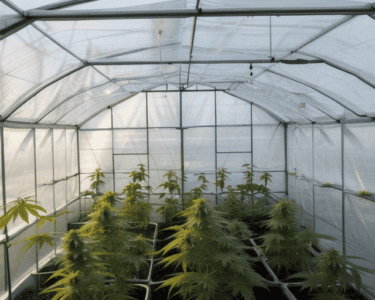
Cannabis cultivation has gained popularity in recent years, becoming not only a significant agricultural endeavor but also a hobby for many enthusiasts. Understanding the life cycle of the cannabis plant is crucial for anyone looking to grow their own cannabis, whether for medicinal or recreational purposes. In this article, we will dissect the plant’s growth stages, key factors influencing growth, and essential tips for beginners.
The Life Cycle of Cannabis
The cannabis plant follows a structured life cycle that can be divided into four primary stages: germination, seedling, vegetative, and flowering. Each stage is critical to the plant’s overall health and yield.
1. Germination (1-7 days)
Germination is the initial stage where a cannabis seed begins to sprout. This stage typically lasts between 1 to 7 days, depending on various factors such as seed viability, temperature, and moisture.
Key Factors for Germination:
- Temperature: A consistent warmth of around 70-90°F (21-32°C) is ideal.
- Moisture: The seed needs damp conditions but not overly wet. A paper towel method or directly planting the seed about half an inch into the soil are common approaches.
- Light: At this stage, direct light is not necessary, but once the seed sprouts, it will require light.
2. Seedling Stage (2-3 weeks)
After germination, the plant enters the seedling stage, lasting about 2 to 3 weeks. During this phase, the plant develops its first true leaves, known as "trifoliate" leaves, which emerge after the seed’s initial cotyledons.
Key Considerations:
- Light: Seedlings require 18-24 hours of light a day. Using fluorescent lights or LED grow lights ensures that seedlings receive adequate light without burning them.
- Watering: Overwatering is a common mistake. The soil should be kept moist but never soggy.
- Nutrients: At this point, the plant requires minimal nutrients. An early growth nutrient formula with a higher nitrogen content can be introduced lightly.
3. Vegetative Stage (3-16 weeks)
The vegetative stage is marked by vigorous growth, and it can last anywhere from 3 to 16 weeks depending on the desired size before flowering. In this phase, the plant focuses on growing stems, leaves, and roots.
Growth Dynamics:
- Light Needs: Maintaining 18-24 hours of light is crucial. LED lights or high-intensity discharge (HID) lights are typically employed.
- Water and Nutrients: As the plant grows, it will require more water and nutrients, which should be higher in nitrogen and include secondary nutrients like calcium and magnesium.
- Pruning and Training: Techniques such as topping or low-stress training can be used to encourage bushier growth and maximize yield.
4. Flowering Stage (8-12 weeks)
The flowering stage is the final phase of the cannabis life cycle and involves the plant’s reproductive processes. It usually lasts between 8 to 12 weeks and is triggered by reducing light hours to 12 as it mimics the natural seasonal changes.
Key Insights:
- Inducing Flowering: Change the light cycle to 12 hours of light and 12 hours of darkness to signal the plant to flower.
- Differences in Strains: Indica strains usually flower more quickly compared to sativa strains, which can take longer.
- Nutrient Shift: Shift to a nutrient formula higher in phosphorus and potassium during this phase to promote flower development.
Harvesting
Harvesting occurs when trichomes (the resinous glands on the buds) turn milky white, with some appearing amber. Timing is crucial, as harvesting too early or too late can affect potency and taste. Wet trimming (removing leaves before drying) or dry trimming (removing leaves after drying) are two common techniques depending on preference.
Conclusion
Cultivating cannabis requires understanding each stage of its life cycle, paying attention to environmental conditions, and applying proper techniques. By mastering these concepts, beginners can take their first steps towards successful cannabis cultivation.
FAQs
Q1: How long does the entire cannabis life cycle take?
A1: On average, the total life cycle from germination to harvest can range from 3 to 6 months, depending on the strain and growing conditions.
Q2: Is it necessary to use grow lights?
A2: Yes, especially if you are growing indoors or in areas with less natural sunlight. Grow lights replicate the sun’s spectrum, which is essential for healthy plant growth.
Q3: What type of soil is best for cannabis plants?
A3: A well-aerated and nutrient-rich soil is ideal. Many growers use a mix designed specifically for cannabis, featuring perlite, coco coir, and organic materials to promote drainage and nutrient availability.
Q4: Can I grow cannabis outdoors?
A4: Yes, cannabis can be grown outdoors, but it’s essential to ensure that the plants receive at least 6 hours of direct sunlight daily and that they are not susceptible to frost or heavy rain during the flowering stage.
Q5: How do I know when to water my cannabis plants?
A5: Check the top inch of the soil; if it feels dry, it’s time to water. Overwatering is a significant issue, so ensure you don’t let the soil stay soggy for prolonged periods.
[ad_2]