

 By
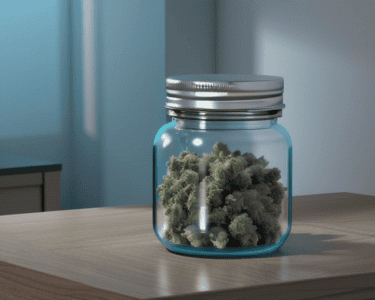
By Cannabis has long been associated with its psychoactive properties, but recent research and patient reports have highlighted its potential benefits in managing sleep disorders. In the United States, where sleep disturbances affect a significant portion of the population, understanding the role of cannabis in sleep management is becoming increasingly important.
Prevalence of Sleep Disorders in the U.S.
Sleep disorders, including insomnia, sleep apnea, and restless legs syndrome, are prevalent in the U.S. The Centers for Disease Control and Prevention (CDC) reports that approximately 35% of adults sleep less than the recommended seven hours per night. This widespread issue has led many individuals to seek alternative treatments, with cannabis emerging as a popular option.
Cannabis Use Among Sleep Disorder Patients
A 2025 survey of over 1,000 medical cannabis patients revealed that nearly 70% found cannabis more effective than prescription sleep aids, and 91.2% considered it more effective than over-the-counter remedies. Additionally, 95% of respondents believed medical cannabis was a highly effective treatment for their sleep disorders, with almost 86% reporting an improved quality of life. (forbes.com)
Mechanisms of Action
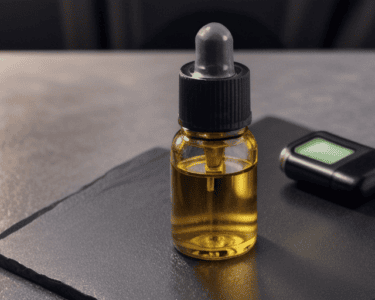
Cannabis contains cannabinoids like tetrahydrocannabinol (THC) and cannabidiol (CBD), which interact with the body’s endocannabinoid system to influence sleep. THC is known for its sedative effects, potentially reducing sleep onset latency and increasing total sleep time. CBD, on the other hand, may promote alertness at lower doses and induce sleepiness at higher doses, suggesting a dose-dependent effect on sleep. (pmc.ncbi.nlm.nih.gov)
Clinical Evidence
A systematic review and meta-analysis of randomized clinical trials involving medical cannabis for impaired sleep found that, among patients with chronic pain, medical cannabis likely results in a small improvement in sleep quality compared to placebo. However, the magnitude of benefit is considered small, and the evidence’s certainty is moderate. (pubmed.ncbi.nlm.nih.gov)
Risks and Considerations
While cannabis may offer sleep benefits, it’s essential to consider potential risks. Regular use can lead to tolerance, requiring higher doses for the same effect, and may disrupt sleep architecture, particularly reducing REM sleep. Additionally, cannabis use can impair cognitive and motor functions, leading to daytime drowsiness and affecting daily activities. (sleepfoundation.org)
Regulatory Status and Future Research
In the U.S., the legal status of cannabis varies by state, affecting its availability for medical use. The Food and Drug Administration (FDA) has approved certain cannabis-derived products, such as Epidiolex for specific seizure disorders, but has not approved cannabis for the treatment of sleep disorders. Ongoing research aims to better understand the efficacy, safety, and optimal dosing of cannabis for sleep management. (aasm.org)
Conclusion
Cannabis presents a promising alternative for managing sleep disorders, with many patients reporting improved sleep quality and reduced reliance on traditional sleep aids. However, it’s crucial to approach cannabis use cautiously, considering potential risks and the current lack of comprehensive clinical guidelines. Individuals interested in using cannabis for sleep should consult healthcare professionals to weigh the benefits and risks and to ensure it aligns with their overall health and treatment plans.