
 By
By [ad_1]
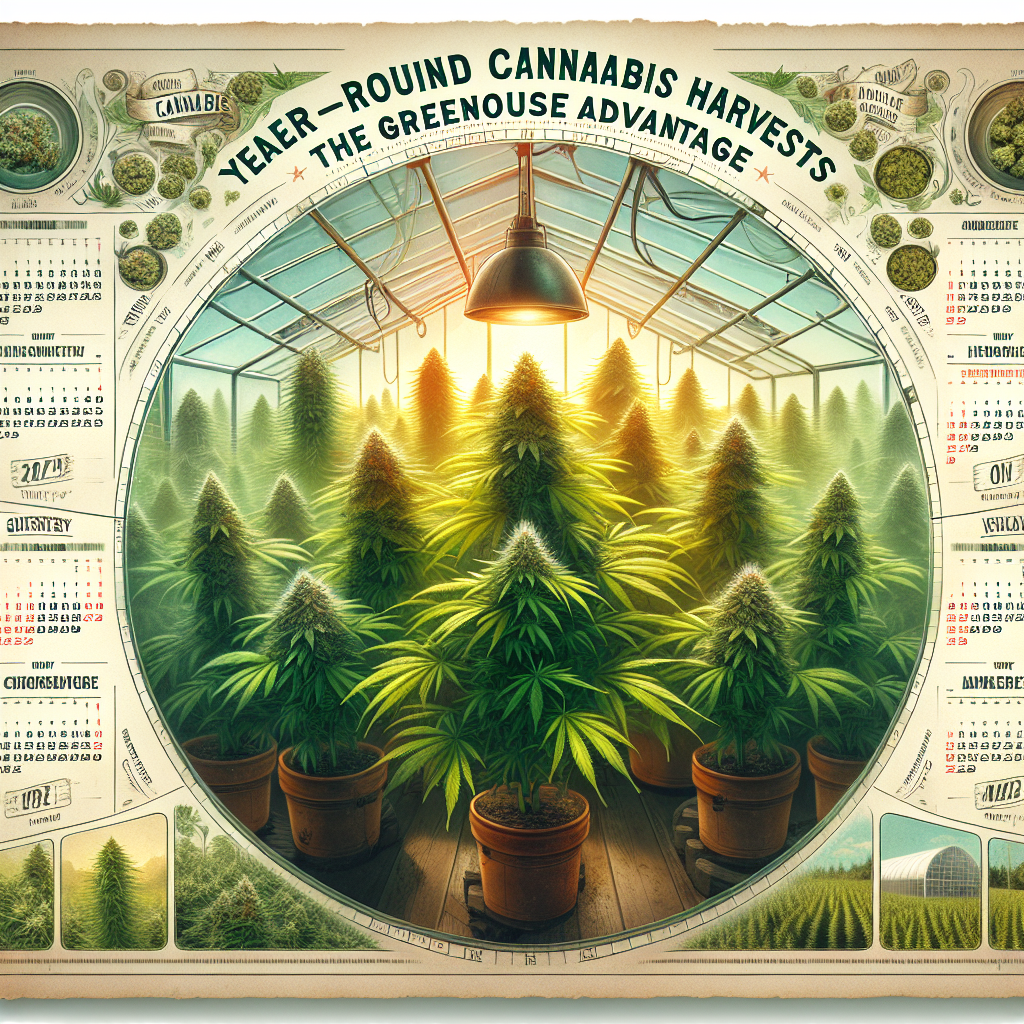
As the cannabis industry in the United States continues to evolve, the ability to cultivate year-round is becoming increasingly essential for growers looking to maximize their yields and profits. Traditional outdoor cultivation is limited by seasonal changes, but greenhouse technology has emerged as a game-changer, allowing for consistent production regardless of outside weather conditions. In this article, we’ll explore the advantages of year-round cannabis harvests in greenhouses, current trends in the industry, and the challenges and innovations that shape this burgeoning market.
The Rise of Greenhouse Cultivation
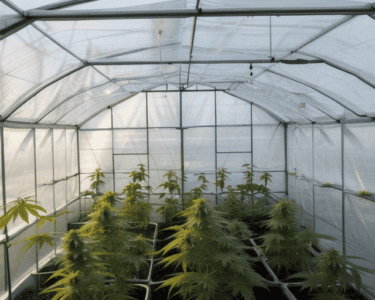
Greenhouse cultivation has gained traction in the cannabis industry due to its numerous advantages over both traditional outdoor growing and indoor facilities. One of the primary benefits is the ability to create an optimal climate for plant growth. Greenhouses provide controlled environments that can harness natural sunlight while also offering protection from environmental stresses, such as pests, diseases, and severe weather events. In addition, greenhouses can be equipped with advanced technologies, including automated irrigation systems and climate control mechanisms, enhancing the efficiency of cannabis production.
According to a 2022 report from the Cannabis Business Times, the demand for greenhouse-grown cannabis products continues to rise, particularly as consumers indicate a preference for sustainable and organic options. This consumer trend has motivated growers to adopt greenhouse technology, allowing them to produce high-quality products throughout the year. It is also important to note that greenhouse cultivation can lead to lower production costs, as growers save on energy expenses compared to fully indoor operations.
Current Trends in Greenhouse Technology
As the cannabis industry matures, several compelling trends have emerged in greenhouse cultivation. One notable trend is the surge in hybrid greenhouse models that integrate indoor and outdoor features. This approach maximizes sunlight while maintaining controlled environments for optimal plant growth. Many successful growers now utilize hybrid methods to extend their growing seasons while harnessing the cost-effective benefits of natural light.
Moreover, the emphasis on sustainability has heightened interest in regenerative farming practices within greenhouse operations. Growers are increasingly turning to organic fertilizers, integrated pest management systems, and water-efficient irrigation techniques. This shift is partly driven by consumer demand for environmentally responsible practices and regulatory pressures requiring sustainable approaches.
Technological advancements also play a critical role in the evolution of greenhouse horticulture. Innovations such as light-emitting diode (LED) grow lights, advanced sensor technologies, and automated environmental controls allow growers to optimize growth conditions and significantly improve yields. Reports from agricultural research institutions indicate that modern greenhouse systems can yield two to four times more than traditional outdoor methods, providing a compelling case for growers considering this investment.
Legal and Regulatory Framework
While the benefits of greenhouse cultivation are clear, navigating the legal landscape surrounding cannabis remains complex. Federally, cannabis remains classified as a Schedule I substance, complicating access to funding and resources for many growers. However, as states continue to legalize cannabis for both medicinal and recreational purposes, regulatory frameworks are gradually adapting to accommodate the industry’s growth.
Several states have implemented licensing structures that favor greenhouse cultivation, encouraging more growers to enter the market with this innovative approach. For instance, California’s regulations are particularly conducive to greenhouse operations, promoting sustainability and encouraging growers to adopt best practices. Keeping abreast of state-specific regulations becomes critical for growers looking to maximize their advantages in this evolving landscape.
Challenges and Considerations
Despite the many advantages, greenhouse cultivation does come with its challenges. One primary concern is the upfront investment required for high-tech greenhouse facilities, which can deter novice growers. Although the long-term savings on energy costs and increased yields can justify the initial expenses, potential growers must conduct thorough financial assessments before committing to greenhouse operations.
Another challenge lies in seasonality. While greenhouses allow for year-round cultivation, the growth cycles and flowering phases of cannabis plants require knowledgeable management. Growers must remain attuned to the specific needs of their plants and adapt their approaches accordingly. This level of expertise may necessitate investing in additional training or hiring experienced staff, further adding to operational costs.
The Future of Greenhouse Cannabis Cultivation
Looking forward, the future of greenhouse cannabis cultivation appears promising, driven by continuous advancements in technology, evolving consumer preferences, and a growing body of legal frameworks supporting the industry. As greenhouse cultivation becomes more mainstream, more research will emerge that aligns best agricultural practices with innovative technologies to address the industry’s challenges.
On the consumer side, increased sustainability consciousness will likely foster demand for greenhouse-grown cannabis products. As growers adapt to these changes and leverage the technological tools available to them, we can anticipate an enhanced focus on quality and sustainability across the board.
Conclusion
In a landscape that is continuously shifting, year-round cannabis harvests from greenhouses represent a significant evolution in agriculture. This model not only meets the growing consumer demands for high-quality and sustainably produced cannabis but also aligns with modern agricultural practices that prioritize environmental responsibility. As growers continue to embrace greenhouse technology, they will shape the future of cannabis cultivation in the United States, paving the way for innovations that could define the industry for generations to come. The question that remains for both growers and consumers alike is: how will the cannabis industry evolve in this green revolution, and what will it mean for the future of agricultural practices in a changing climate?
[ad_2]