
 By
By [ad_1]
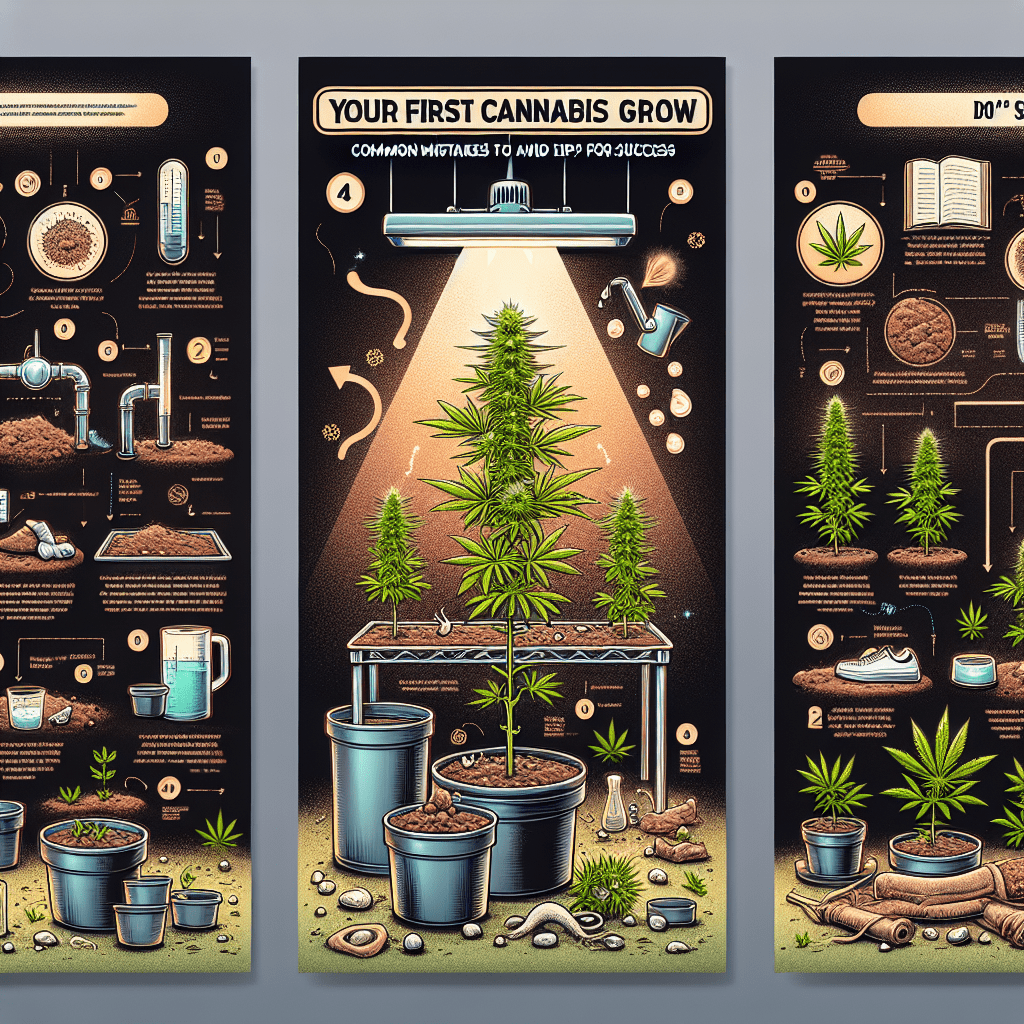
Growing cannabis can be a rewarding endeavor for hobbyists and enthusiasts alike. However, for beginners, the process can be daunting, filled with pitfalls that can lead to frustrating outcomes. The key to a successful cannabis grow lies not only in understanding the science of botany but also in learning from the experiences of others. This article addresses common mistakes to avoid and provides valuable tips to ensure your first cannabis grow is successful.
Common Mistakes to Avoid
1. Poor Seed Selection
One of the most significant mistakes new growers make is not choosing quality seeds. Genetics play a vital role in the success of your cannabis crop. It’s essential to purchase seeds from reputable breeders or dispensaries that offer lab-tested products. Understanding the strain’s needs regarding growth conditions is equally important. Some strains require more attention than others, so novice growers may want to start with forgiving strains like Northern Lights or Blue Dream.
2. Neglecting Growing Environment
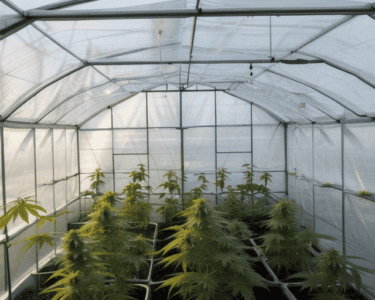
Cannabis plants thrive in specific temperature ranges and require appropriate humidity levels. Beginners often overlook the importance of maintaining an optimal growing environment. The right temperature for cannabis is typically between 70°F and 85°F (20°C to 30°C) during the day and slightly cooler at night. Additionally, maintaining humidity levels around 40% to 60% is crucial for healthy growth. Too much moisture can lead to mold and mildew, while too little can stress plants and stunt growth.
3. Overwatering or Underwatering
Watering cannabis plants can be tricky. Overwatering can suffocate roots and lead to root rot, while underwatering can cause wilting and stunted growth. A good rule of thumb for beginners is to allow the top inch or two of soil to dry out before watering again. Using pots with drainage holes and ensuring proper drainage can also mitigate the risk of overwatering.
4. Ignoring Nutrient Needs
Different stages of cannabis growth require varying nutrient levels. Many new growers use generic fertilizers without understanding what their plants truly need. In the vegetative stage, cannabis plants thrive on nitrogen, while phosphorus and potassium become more important during the flowering stage. A balanced nutrient regimen, including macronutrients and micronutrients, can lead to healthier plants. Investing in a specialized cannabis nutrient line can also simplify the process.
5. Inadequate Lighting
For indoor growers, lighting is crucial. Many beginners underestimate the importance of light quality and intensity. LED lights are becoming increasingly popular due to their energy efficiency and customizable spectrum. HID (high-intensity discharge) lights are another option. Regardless of the type of lighting you choose, ensure your plants receive 12-18 hours of light during the vegetative stage and 12 hours during flowering for optimal growth.
6. Failing to Monitor Pests and Diseases
Cannabis plants are susceptible to various pests, including spider mites, aphids, and fungus gnats. Failing to monitor for these pests can result in significant damage or crop loss. Implementing an integrated pest management (IPM) approach involving regular inspections, maintaining cleanliness in the grow area, and using organic pesticides when necessary can help keep plants healthy.
Tips for Success
1. Research and Plan
Before starting your cannabis grow, take the time to research strains, growing techniques, and optimal environmental conditions. Creating a detailed plan that outlines your lighting, nutrient schedule, watering regimen, and pest management strategies will set you up for success.
2. Start Small
As a beginner, it may be wise to start with just a few plants. This allows you to focus on learning the ropes without becoming overwhelmed. Once you gain experience and confidence, you can gradually scale up your operation.
3. Experiment and Document
Don’t be afraid to experiment with different growing techniques, such as topping, low-stress training (LST), or using growing mediums like soil or hydroponics. Documenting your process can help you learn from both successes and failures, making you a better grower in the long run.
4. Be Patient
Growing cannabis is not an instant process. Patience is essential, as plants can take 3-5 months to go from seed to harvest. Forcing plants to grow faster or cutting corners usually leads to poor quality or lower yields.
5. Connect with Other Growers
Joining forums or local growing clubs can be tremendously helpful. Engaging with fellow cultivators allows you to share experiences, gain insights, and learn from the errors of others.
Frequently Asked Questions (FAQs)
Q1: How long does it take to grow cannabis from seed to harvest?
A1: The entire growth cycle can take anywhere from 3 to 5 months, depending on the strain and growing conditions. The vegetative stage usually lasts 4-8 weeks, followed by the flowering stage, which generally lasts 8-12 weeks.
Q2: What is the best way to store cannabis seeds?
A2: Store cannabis seeds in a cool, dry place away from light and moisture. A refrigerator or freezer can provide optimal conditions, but ensure seeds are in an airtight container to prevent moisture exposure.
Q3: Can I grow cannabis outdoors?
A3: Yes, many growers successfully cultivate cannabis outdoors. Ensure you choose a strain suitable for your climate and be mindful of local regulations regarding outdoor cultivation.
Q4: What nutrients do cannabis plants need?
A4: Cannabis plants primarily need nitrogen, phosphorus, and potassium, with specific micronutrients (like calcium and magnesium) also being essential. Specialized fertilizers designed for cannabis can simplify nutrient management.
Q5: How do I determine when my cannabis plants are ready for harvest?
A5: The best indicators are the trichomes on the buds. You want to harvest when most trichomes are cloudy with some amber; this typically indicates peak potency.
With the right knowledge, patience, and care, your first cannabis grow can be a fruitful experience leading to skillful cultivation in the future. Happy growing!
[ad_2]