 By
By [ad_1]
New Trends in Cannabis Legislation Across the United States
The landscape of cannabis legislation in the United States has evolved dramatically over the past decade, marked by shifting public opinion, growing economic potential, and an increasing recognition of the medicinal benefits of the plant. As of 2023, more states are actively reevaluating their stances on cannabis, spurred by both grassroots activism and the undeniable financial benefits potential legalization brings. In this article, we will explore current trends in cannabis legislation across the nation, highlighting recent developments, popular legislative shifts, and expert insights that illustrate the evolving outlook on cannabis.
The Acceleration of Legalization Efforts
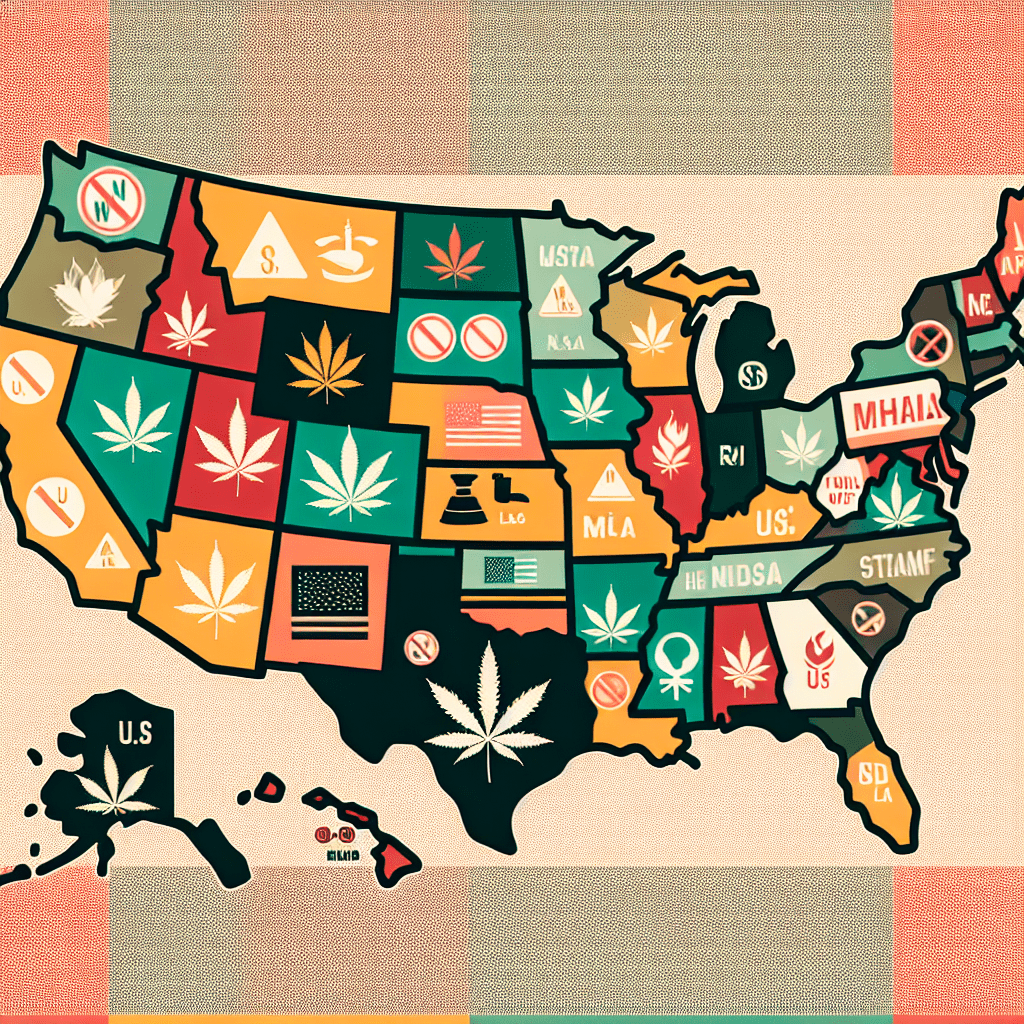
Historically, cannabis was viewed as a taboo topic, with strict prohibitions in place across the majority of states. However, as of 2023, 21 states, along with the District of Columbia, have fully legalized recreational cannabis, while 37 states permit its medicinal use. This rapid shift towards legalization showcases a significant change in public perception. According to a recent Gallup poll, nearly 70% of Americans support legalizing cannabis—an increase from just 25% in 1995. A pivotal element fueling this positive attitude is the economic opportunity associated with a legal cannabis market, projected by the Marijuana Business Factbook to surpass $30 billion by 2024.
The landmark legalization measures passed in states such as New York and New Jersey have further inspired neighboring states to reconsider their policies. New York’s Cannabis Law, enacted in 2021, stressed equity through its social justice provisions and established a regulated framework for the sale of recreational cannabis, signaling that states can prioritize both economic growth and community needs. This trend is indicative of a new wave of legalization, propelled by advocates who emphasize fairness, social equity, and restorative justice in their initiatives.
Focus on Social Justice and Equity
As more states move towards deregulating cannabis, social justice has emerged as a major driving force in cannabis legislation. Activists are increasingly vocal about the historical injustices tied to cannabis prohibition, particularly concerning communities of color disproportionately affected by cannabis criminalization. In recent years, legislation in states like Illinois and Virginia has included expungement provisions, enabling individuals with prior cannabis-related convictions to have their records cleared, thus promoting social equity.
Moreover, several states are integrating social equity programs that provide business opportunities to individuals from these marginalized communities. For instance, California’s cannabis law mandates that 1.5% of state taxes on cannabis sales be directed towards social equity programs, supporting those impacted by the War on Drugs. This development illustrates the growing trend among states to not only legalize cannabis but also actively correct historical injustices, laying the groundwork for a more inclusive and equitable industry.
Targeting Cannabis Banking and Federal Legislation
While state-level legislation has seen significant progress, federal cannabis reform remains a focal point for activists and industry stakeholders. Currently, cannabis remains classified as a Schedule I substance under the Controlled Substances Act, creating a legal grey area that complicates banking and financial transactions for cannabis businesses. In response to this challenge, new legislation like the SAFE Banking Act aims to provide cannabis businesses with access to banking services, ensuring they can operate more effectively and securely.
Recent years have witnessed varying degrees of receptiveness to federal reform, with the Democratic Party more inclined to support progressive cannabis policies. In October 2022, President Biden announced the pardon of thousands of individuals convicted of federal cannabis offenses, representing a significant step towards a more comprehensive reevaluation of the country’s drug laws. Furthermore, the White House has expressed a willingness to work with Congress on cannabis reform, signaling potential shifts towards a more unified national stance on legal cannabis.
Innovations in Regulation and Market Dynamics
As states implement their own cannabis regulations, innovative approaches to safety, quality, and market dynamics are emerging. For instance, states like Colorado and Washington, which legalized cannabis years before others, have continually refined their regulatory frameworks based on market feedback and scientific advancements. From introducing seed-to-sale tracking systems to ensuring product safety testing, states are learning from each other’s successes and challenges.
Moreover, the rise of product diversity in the cannabis market—from edibles and oils to hemp-derived CBD—has attracted a broader demographic of consumers. As legislation continues to evolve, the emergence of niche products like cannabis-infused beverages and wellness products emphasizes the expanding potential of the industry. This diversification indicates a maturing market, where regulations evolved alongside consumer preferences.
Conclusion: The Future of Cannabis Legislation
As we move further into 2023, it is clear that the landscape of cannabis legislation in the United States is in a state of dynamic evolution. The acceleration of legalization efforts, a focus on social equity, financial reform at the federal level, and innovations in regulation showcase a multifaceted approach to cannabis policy that is both progressive and pragmatic. However, challenges still lie ahead, particularly with the potential for federal reforms being met with resistance from various political factions.
As states navigate this complex landscape, they have the opportunity to create not just a thriving industry but also one that can serve as a blueprint for social equity and justice. The future of cannabis legislation will undoubtedly be shaped by public opinion, economic necessity, and the call for restorative justice. For advocates, entrepreneurs, and everyday citizens alike, the unfolding saga of cannabis legalization represents a chance to reshape an industry—a chance that was once unthinkable during the height of prohibition. The question remains: how will we harness this momentum to build a more equitable and sustainable cannabis future?
[ad_2]