By
By [ad_1]
The concept of the “420” mindset has evolved from a niche cultural reference to a significant aspect of wellness in the United States. Initially associated with cannabis culture, 420 has matured to symbolize a broader lifestyle focused on mindfulness, self-care, and holistic health. With the ongoing legalization of cannabis in numerous states and increased acceptance of alternative therapies, it is pertinent to explore how embracing a 420 mindset can lead to enhanced wellness benefits for individuals seeking balance in today’s fast-paced world.
The Historical Context of 420
To appreciate the wellness benefits of the 420 mindset, it’s essential to understand its origins. The term “420” is often linked to April 20th, which is celebrated as a day to advocate for cannabis. Its roots can be traced back to a group of teenagers in California who used the term as a code for smoking marijuana in the 1970s. Fast forward to today, and the legal landscape surrounding cannabis has shifted dramatically. Over 38 states have legalized it in some form, triggering discussions not only about its use but also about an overarching mindset emphasizing wellbeing.
The Rise of Mindfulness and Self-Care
A significant aspect of the 420 mindset is its alignment with mindfulness and self-care practices. As stress levels soar in the age of digital overload and global uncertainty, incorporating rituals that promote mental clarity and emotional stability is essential. Cannabis, often accepted alongside practices like yoga and meditation, has been cited by many users as a tool for relaxation and introspection. Studies suggest that mindful consumption can reduce anxiety and enhance emotional regulation, paving the way for a more balanced lifestyle.
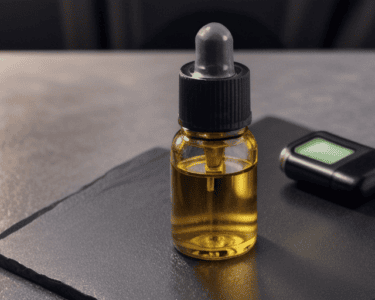
In modern wellness circles, the idea of intertwining cannabis with traditional self-care practices—like aromatherapy, herbal teas, and holistic healing—has gained traction. The recent trend of cannabis-infused wellness products, from bath salts to oils, reflects an integrated approach to health that resonates with a broad audience, especially millennials and Gen Z.
Current Trends in Cannabis and Wellness
Current trends indicate an upward trajectory for cannabis use not just for recreational purposes but as a legitimate wellness tool. Companies specializing in CBD treatments have seeped into mainstream wellness markets, advancing a notion that cannabis constituents—especially cannabinoids—offer numerous health benefits. Experts assert that cannabinoids can help alleviate chronic pain, reduce inflammation, and promote better sleep quality.
Moreover, with the integration of technology into wellness, numerous applications are emerging to help users monitor their consumption, learn about the effects of different strains, and connect with community resources. This tech-driven focus elevates the 420 mindset from mere recreational indulgence to an evidence-based approach to well-being.
The Intersection of Community and Wellness
While the individual benefits of the 420 mindset are well documented, its community aspects deserve exploration as well. Cannabis cultures foster communities of like-minded individuals who encourage open discussions and shared experiences. This collective aspect can counter the feelings of isolation that many Americans grapple with amidst a rapidly changing society. The rise of cannabis lounges, support groups, and social clubs offers not only space for consumption but also opportunities for personal growth and connection.
Local events—like 420 festivals—often promote not only cannabis enjoyment but also education about its legal and health aspects. An increasing number of workshops and programs are available, focusing on the therapeutic uses of cannabis and its positive impact on mental health. These community gatherings serve as a platform for education and empowerment, reinforcing a sense of belonging while promoting wellness.
Expert Insights
Health professionals are beginning to weigh in on the benefits of a 420 mindset. Doctors and therapists increasingly recommend cannabis (especially in its medicinal forms) as an adjunct to traditional treatments for mental health issues such as anxiety, PTSD, and depression. Dr. Anna Chaldy, a psychiatrist specializing in cannabis therapies, states, “When used mindfully and responsibly, cannabis can be an effective tool in managing mental health. It encourages a mind-body connection that many patients find beneficial.”
Moreover, research published in peer-reviewed journals highlights the neuroprotective properties of cannabinoids and their potential in managing various conditions. With ongoing studies further unveiling the therapeutic capabilities of cannabis, both advocates and skeptics are slowly aligning to recognize the role of cannabis in enhancing wellness.
Conclusion: A Call to Embrace Holistic Wellness
As the 420 mindset continues to gain acceptance across the United States, it opens doors to a healthier, more balanced way of living. This cultural shift towards a holistic approach to wellness signals a broader trend in society, reflecting our desire for mindfulness and authentic connection in a frenetic world. The wellness benefits of adopting a 420 mindset go beyond cannabis use; they encompass understanding one’s body, fostering community ties, and prioritizing mental health.
As we navigate the complexities of modern life, embracing this holistic ethos may offer the balance we seek. The 420 mindset is not merely about cannabis; it is about creating an inclusive framework for wellness that acknowledges personal well-being as a fundamental human right. With shifting perceptions and increasing scientific backing, now is the time to explore what a 420 mindset can contribute to our ongoing journey toward enhanced health and fulfillment.
[ad_2]